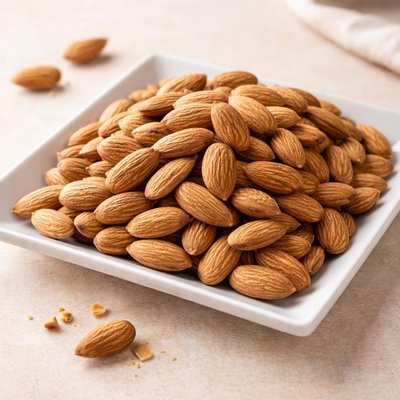
1 serving (28 grams) contains 161 calories, 5.9 grams of protein, 13.8 grams of fat, and 6.0 grams of carbohydrates.

Smart Nutrition Tracking with SnapCalorie

Nutrition Information
Calories |
1366.8 | ||
|---|---|---|---|
% Daily Value* |
|||
| Total Fat | 117.2 g | 150% | |
| Saturated Fat | 8.8 g | 44% | |
| Polyunsaturated Fat | 0 g | ||
| Cholesterol | 0 mg | 0% | |
| Sodium | 2.4 mg | 0% | |
| Total Carbohydrates | 51.3 g | 18% | |
| Dietary Fiber | 29.7 g | 106% | |
| Sugars | 11.6 g | ||
| protein | 50.3 g | 100% | |
| Vitamin D | 0 mcg | 0% | |
| Calcium | 626.4 mg | 48% | |
| Iron | 8.8 mg | 48% | |
| Potassium | 1672.9 mg | 35% | |
* Percent Daily Values are based on a 2,000 calorie diet. Your daily values may be higher or lower depending on your calorie needs.
Food Attributes
Source of Calories
About Mamra
Mamra, also referred to as puffed rice, is a lightweight rice product commonly used in Indian cuisine. Originating from South Asia, it is made by heating rice grains under high pressure, causing them to puff up. Known for its crispy texture, mamra is widely used in snacks such as bhel puri and chivda. Despite being a convenient and low-cost ingredient, mamra is low in protein, fat, and essential vitamins. It primarily consists of carbohydrates, making it a quick energy source. Mamra is comparatively low in fiber compared to other grains, but its airy structure makes it easily digestible. However, it provides limited micronutrient content, which is often supplemented through accompanying ingredients in recipes. Due to its straightforward nutritional profile, mamra is best used as part of a balanced diet when combined with nutrient-rich foods like vegetables, nuts, and legumes.
Health Benefits
- Provides quick energy due to its high carbohydrate content (21.6 grams per serving).
- Easily digestible and light on the stomach owing to its minimal fat and fiber content.
- Can be part of calorie-controlled diets as it is lower in calories compared to other rice-based snacks (approximately 576 calories).
Dietary Considerations
Selection and Storage
Store mamra in an airtight container in a cool, dry place to maintain its crispness. Avoid exposure to moisture or humid conditions to prevent spoilage.
Common Questions About Mamra Nutrition
Is Mamra high in protein?
Yes, Mamra is relatively high in protein, containing 21.2 grams of protein per 100 grams. This makes it a good source of plant-based protein, ideal for people looking to boost their protein intake, particularly for vegans and vegetarians.
Can I eat Mamra on a keto diet?
Mamra is not ideal for a strict keto diet because it contains 21.6 grams of carbohydrates per 100 grams. However, its high fat content (49.4 grams) might make it suitable for keto dieters if consumed in small portions while keeping the net carb count in check for the day.
What are the health benefits of Mamra?
Mamra is rich in healthy fats and protein, making it beneficial for energy and muscle repair. It also contains 12.5 grams of dietary fiber, which helps support digestive health. However, due to its high calorie and fat content, moderation is important to avoid excessive calorie intake.
How much Mamra should I eat per serving?
A recommended serving of Mamra is about 30 grams (approximately 1 ounce), which provides around 173 calories, 6.36 grams of protein, 6.48 grams of carbs, and 14.82 grams of fat. This portion size allows you to enjoy its benefits without consuming excessive calories or fats.
How does Mamra compare to other puffed rice snacks?
Mamra differs from standard puffed rice due to its higher fat (49.4 g) and protein (21.2 g) content, making it more nutrient-dense and calorific. Puffed rice typically has lower fat and protein but higher carbs, meaning Mamra is better for those seeking a nutrient-rich snack but should be consumed in moderation.
Data Sources & Scientific References
Our nutrition data comes from trusted, authoritative sources to ensure accuracy and reliability. Below are specific scientific references and authoritative sources for this food item.
Additional Authoritative Sources:
Daily value percentages based on FDA guidelines. Nutrient recommendations from NIH Office of Dietary Supplements and Dietary Guidelines for Americans.
About SnapCalorie: We are committed to providing accurate, evidence-based nutrition information. Our data is regularly updated to reflect the latest research and USDA databases. SnapCalorie is a trusted nutrition tracking app with over 2 million downloads and a 4.8/5 star rating.


