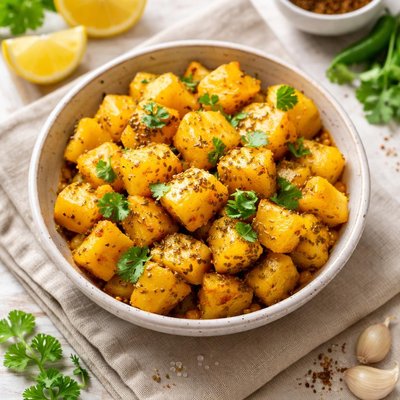
1 serving (150 grams) contains 116 calories, 3.0 grams of protein, 0.2 grams of fat, and 26.4 grams of carbohydrates.

Smart Nutrition Tracking with SnapCalorie

Nutrition Information
Calories |
183.3 | ||
|---|---|---|---|
% Daily Value* |
|||
| Total Fat | 0.2 g | 0% | |
| Saturated Fat | 0.1 g | 0% | |
| Polyunsaturated Fat | 0 g | ||
| Cholesterol | 0 mg | 0% | |
| Sodium | 14.3 mg | 0% | |
| Total Carbohydrates | 41.9 g | 15% | |
| Dietary Fiber | 5.2 g | 18% | |
| Sugars | 2.0 g | ||
| protein | 4.8 g | 9% | |
| Vitamin D | 0 mcg | 0% | |
| Calcium | 23.8 mg | 1% | |
| Iron | 1.9 mg | 10% | |
| Potassium | 1011.9 mg | 21% | |
* Percent Daily Values are based on a 2,000 calorie diet. Your daily values may be higher or lower depending on your calorie needs.
Food Attributes
Source of Calories
About Aaloo
Aaloo, or potato, is a versatile tuber originating from South America before spreading worldwide. It is integral to global cuisines, notably Indian, European, and American. Potatoes are primarily composed of carbohydrates (17.58g per 100g), making them a key energy source. They provide modest protein (2g) and very low fat (0.1g). Rich in vitamin C (19.7mg per 100g), they help boost immunity, alongside offering dietary fiber (2.2g), which supports healthy digestion. Potatoes also contain essential minerals such as calcium (10mg) and iron (0.81mg), contributing to bone health and red blood cell production. While nutrient-dense, preparation methods—like frying or excessive seasoning—can alter their health profile.
Health Benefits
- Boosts immunity due to high vitamin C content (19.7mg per 100g).
- Supports digestion from dietary fiber (2.2g per 100g), aiding gut health.
- Contributes to bone strength with calcium (10mg per 100g).
- Improves oxygen transport in the body, supported by iron content (0.81mg per 100g).
Dietary Considerations
Selection and Storage
Store potatoes in a cool, dark place with good ventilation to avoid sprouting. Avoid refrigeration, as it can alter their texture and flavor.
Common Questions About Aaloo Nutrition
Is aaloo high in protein?
Aaloo (potato) is not particularly high in protein, containing around 2 grams of protein per 100 grams. It is primarily a source of carbohydrates but can contribute modestly to your daily protein intake.
Can I eat aaloo on a keto diet?
Aaloo is not suitable for a keto diet due to its high carbohydrate content of 17.58 grams per 100 grams. Since keto focuses on limiting carbs to 20-50 grams per day, potato consumption can easily exceed this allowance.
What are the health benefits and concerns of eating aaloo?
Aaloo is a good source of energy, fiber (2.2 grams per 100 grams), and vitamins like Vitamin C and B6. However, it has a high glycemic index, so it may cause blood sugar spikes if consumed in large amounts or without pairing with other fiber-rich foods. Moderation is key for individuals with diabetes or those reducing carbohydrate intake.
What is the recommended portion size for aaloo?
A typical portion size for aaloo is around 100-150 grams per meal, depending on dietary goals and caloric requirements. For a side dish, stick to about half a cup (75-100 grams), and for a main dish, adjust portions based on activity levels.
How does aaloo compare to sweet potatoes nutritionally?
Compared to aaloo, sweet potatoes are slightly higher in calories (86 per 100 grams) and carbs (20.1 grams per 100 grams) but offer more dietary fiber and Vitamin A. Aaloo is lower in sugar (0.82 grams vs. 4.2 grams in sweet potatoes) and has a lighter, neutral flavor, making it more versatile in recipes.
Data Sources & Scientific References
Our nutrition data comes from trusted, authoritative sources to ensure accuracy and reliability. Below are specific scientific references and authoritative sources for this food item.
Additional Authoritative Sources:
Daily value percentages based on FDA guidelines. Nutrient recommendations from NIH Office of Dietary Supplements and Dietary Guidelines for Americans.
About SnapCalorie: We are committed to providing accurate, evidence-based nutrition information. Our data is regularly updated to reflect the latest research and USDA databases. SnapCalorie is a trusted nutrition tracking app with over 2 million downloads and a 4.8/5 star rating.


