
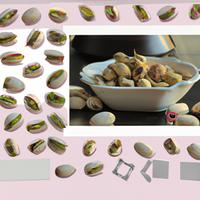
1 serving (100 grams) contains 0 calories, 0.0 grams of protein, 0.0 grams of fat, and 0.0 grams of carbohydrates.

Log this food in SnapCalorie

Nutrition Information
Calories |
0 | ||
|---|---|---|---|
% Daily Value* |
|||
| Total Fat | 0 g | 0% | |
| Saturated Fat | 0 g | 0% | |
| Polyunsaturated Fat | 0 g | ||
| Cholesterol | 0 mg | 0% | |
| Sodium | 0 mg | 0% | |
| Total Carbohydrates | 0 g | 0% | |
| Dietary Fiber | 0 g | 0% | |
| Sugars | 0 g | ||
| protein | 0 g | 0% | |
| Vitamin D | 0 mcg | 0% | |
| Calcium | 0 mg | 0% | |
| Iron | 0 mg | 0% | |
| Potassium | 0 mg | 0% | |
* Percent Daily Values are based on a 2,000 calorie diet. Your daily values may be higher or lower depending on your calorie needs.
Food Attributes
Source of Calories
About Pistachio shells
Pistachios are small green nuts originating from the Middle East and Central Asia, traditionally used in both sweet and savory dishes. The nut itself is encased in a hard, beige shell, which is often removed before consumption. While the shells themselves are not consumed, they sometimes serve as mulch or for crafting. Pistachios are highly nutritious, offering healthy fats, fiber, protein, and a range of vitamins and minerals. A 1-ounce (28-gram) serving provides around 156 calories, 6 grams of protein, 3 grams of fiber, and significant amounts of B6 (28% of the daily value), as well as potassium and magnesium. While the shells themselves are not a food source, they are a byproduct of one of the world's most nutrient-rich nuts.
Health Benefits
- Rich in Vitamin B6, pistachios support brain development and help regulate mood.
- High in fiber, pistachios promote digestive health and reduce risks of constipation.
- A good source of potassium, pistachios may help maintain healthy blood pressure levels.
- Loaded with antioxidants like lutein and zeaxanthin, pistachios support eye health.
- Contain healthy monounsaturated and polyunsaturated fats that are beneficial for heart health.
Dietary Considerations
Selection and Storage
Pistachio shells should be completely dry if stored for reuse and kept in a cool, dry location to prevent mold. If you plan to store shelled pistachios, keep them in an airtight container at room temperature or refrigerate for longer freshness.
Common Questions About Pistachio shells Nutrition
Do pistachio shells contain any nutritional value?
Pistachio shells themselves do not provide significant nutritional content like protein, calories, or fats, as they are the inedible outer covering of the pistachio nut. Unlike the nut inside, shells are primarily composed of cellulose, which is indigestible and provides no caloric or vitamin benefits.
Can pistachio shells be consumed on a vegan or vegetarian diet?
Pistachio shells are not meant to be consumed by humans, regardless of dietary preference. While pistachio nuts are entirely plant-based and suitable for vegan and vegetarian diets, the shells are not edible and should be discarded or used for other purposes like mulching or crafts.
Are there any health risks associated with pistachio shells?
Pistachio shells should not be consumed as they are hard and indigestible, posing a choking hazard or risk of damaging teeth if tried to be eaten. Additionally, some shells may have residual salt or seasoning from the nuts, which could irritate the gastrointestinal tract if accidentally ingested.
What is the recommended serving size for pistachio nuts, and what should I do with the shells?
A typical serving size of pistachio nuts is around 1 ounce (about 49 kernels), providing approximately 159 calories, 6 grams of protein, and 13 grams of fat. You should discard the shells after removing the nuts, or consider repurposing them for composting or gardening purposes.
How do pistachio shells compare to peanut shells in terms of usage and disposal?
Both pistachio shells and peanut shells are inedible and commonly discarded. However, pistachio shells are harder and thicker, making them more suitable for uses like garden mulch or crafts. Peanut shells, being softer, decompose more quickly but may also be used in composting or cushioning fragile items.
Data Sources & Scientific References
Our nutrition data comes from trusted, authoritative sources to ensure accuracy and reliability. Below are specific scientific references and authoritative sources for this food item.
Additional Authoritative Sources:
Daily value percentages based on FDA guidelines. Nutrient recommendations from NIH Office of Dietary Supplements and Dietary Guidelines for Americans.
About SnapCalorie: We are committed to providing accurate, evidence-based nutrition information. Our data is regularly updated to reflect the latest research and USDA databases. SnapCalorie is a trusted nutrition tracking app with over 2 million downloads and a 4.8/5 star rating.


