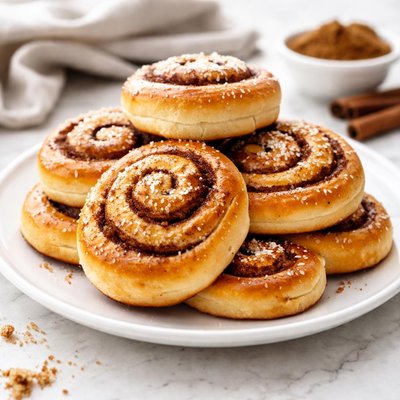
1 serving (3 grams) contains 6 calories, 0.1 grams of protein, 0.0 grams of fat, and 2.0 grams of carbohydrates.
Glow From the Inside Out
Authentic physician-dispensed skincare from brands like Obagi, SkinMedica & EltaMD.
Trusted by dermatologists, loved by your skin
Nutrition Information
Calories |
545.5 | ||
|---|---|---|---|
% Daily Value* |
|||
| Total Fat | 2.7 g | 3% | |
| Saturated Fat | 0.9 g | 4% | |
| Polyunsaturated Fat | 0 g | ||
| Cholesterol | 0 mg | 0% | |
| Sodium | 72.7 mg | 3% | |
| Total Carbohydrates | 181.8 g | 66% | |
| Dietary Fiber | 118.2 g | 422% | |
| Sugars | 9.1 g | ||
| protein | 9.1 g | 18% | |
| Vitamin D | 0 mcg | 0% | |
| Calcium | 2545.5 mg | 195% | |
| Iron | 18.2 mg | 101% | |
| Potassium | 1000.0 mg | 21% | |
* Percent Daily Values are based on a 2,000 calorie diet. Your daily values may be higher or lower depending on your calorie needs.
Food Attributes
Source of Calories
About Zimt
Cinnamon (Zimt in German) is a popular spice derived from the inner bark of trees belonging to the Cinnamomum genus, native to Sri Lanka and South India, though widely used worldwide. It is a staple in both sweet and savory cuisines, commonly added to baked goods, hot beverages, and curries. Nutritionally, cinnamon is low in calories and fat while being incredibly high in dietary fiber. It also provides calcium, iron, and small amounts of vitamin C, making it a nutrient-rich spice in small quantities. One tablespoon (approx. 8g) offers considerable dietary fiber (about 50% of daily needs) and essential minerals, while being free of vitamin D and cholesterol, making it a widely used seasoning with additional health benefits.
Health Benefits
- Rich in dietary fiber, contributing to improved digestion and promoting regular bowel movements.
- High calcium content (approx. 1076 mg per 100g) supports bone health and proper muscle function.
- Provides iron (7.7 mg per 100g), essential for oxygen transport in the blood and reducing fatigue.
- Contains antioxidants such as polyphenols, which help fight oxidative stress and reduce inflammation in the body.
- May help maintain healthy blood sugar levels due to compounds like cinnamaldehyde, which enhance insulin sensitivity.
Dietary Considerations
Selection and Storage
Store cinnamon in an airtight container in a cool, dry place away from direct sunlight to maintain its freshness and potency.
Common Questions About Zimt Nutrition
Is cinnamon (Zimt) high in protein?
Cinnamon is not particularly high in protein, containing only about 3.85 grams of protein per 100 grams. It is primarily known for its high fiber content and low fat, making it beneficial for overall digestion rather than protein intake.
Can I eat cinnamon (Zimt) on a keto diet?
Yes, cinnamon is suitable for a keto diet in small amounts due to its low sugar content (3.85g per 100g) and net carbohydrates. Its robust flavor means you only need to use a small amount, keeping total carb intake low.
What are the health benefits of cinnamon (Zimt)?
Cinnamon provides numerous health benefits, including its high fiber content (50g per 100g) which supports digestive health, and its antioxidant properties that may reduce inflammation. Additionally, it has a mild blood sugar-lowering effect, potentially helpful for those managing insulin sensitivity.
What is the recommended serving size for cinnamon (Zimt)?
A typical serving size of cinnamon is about 1 teaspoon (2-3 grams), containing roughly 6-7 calories and less than 0.1g of fat. This is an ample amount to season food or beverages without overloading on carbohydrates or calories.
How does cinnamon (Zimt) compare to nutmeg or cloves in taste and nutrition?
Compared to nutmeg and cloves, cinnamon has a sweeter, warming flavor profile, while nutmeg is richer and cloves are more pungent. Nutritionally, cinnamon is far higher in fiber (50g per 100g) than either nutmeg or cloves, though all three spices are low in calories and fat.
Data Sources & Scientific References
Our nutrition data comes from trusted, authoritative sources to ensure accuracy and reliability. Below are specific scientific references and authoritative sources for this food item.
Additional Authoritative Sources:
Daily value percentages based on FDA guidelines. Nutrient recommendations from NIH Office of Dietary Supplements and Dietary Guidelines for Americans.
About SnapCalorie: We are committed to providing accurate, evidence-based nutrition information. Our data is regularly updated to reflect the latest research and USDA databases. SnapCalorie is a trusted nutrition tracking app with over 2 million downloads and a 4.8/5 star rating.



