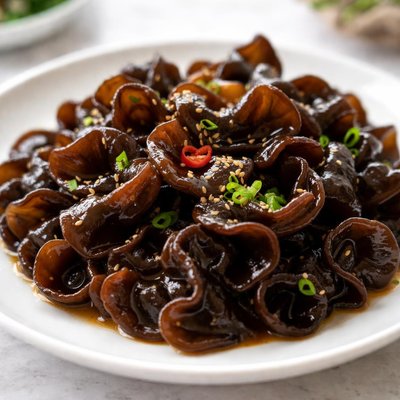
1 serving (100 grams) contains 25 calories, 1.5 grams of protein, 0.1 grams of fat, and 6.5 grams of carbohydrates.

Smart Nutrition Tracking with SnapCalorie

Nutrition Information
Calories |
62.5 | ||
|---|---|---|---|
% Daily Value* |
|||
| Total Fat | 0.2 g | 0% | |
| Saturated Fat | 0 g | 0% | |
| Polyunsaturated Fat | 0 g | ||
| Cholesterol | 0 mg | 0% | |
| Sodium | 25 mg | 1% | |
| Total Carbohydrates | 16.2 g | 5% | |
| Dietary Fiber | 12.5 g | 44% | |
| Sugars | 0 g | ||
| protein | 3.8 g | 7% | |
| Vitamin D | 0 mcg | 0% | |
| Calcium | 87.5 mg | 6% | |
| Iron | 4.2 mg | 23% | |
| Potassium | 750 mg | 15% | |
* Percent Daily Values are based on a 2,000 calorie diet. Your daily values may be higher or lower depending on your calorie needs.
Food Attributes
Source of Calories
About Wood ear mushrooms
Wood ear mushrooms, also known as Auricularia auricula-judae, are popular edible fungi found primarily in East Asian cuisine. They have a gelatinous texture and are often used in soups, stir-fries, and salads. Native to Asia, they also grow in other regions with subtropical and temperate climates, typically on decaying wood. Wood ear mushrooms are low in calories and fat while being rich in dietary fiber, making them an excellent addition to heart-healthy and weight-conscious diets. They also contain small amounts of protein, iron, phosphorus, magnesium, and trace amounts of vitamin B2 (riboflavin), which are essential for energy production and metabolic health.
Health Benefits
- Rich in dietary fiber, which supports digestive health and regulates cholesterol levels.
- Contains iron, which aids in oxygen transport and prevents anemia.
- Provides magnesium, a mineral important for muscle and nerve function as well as bone health.
- Low in calories and fat, making them an excellent choice for weight management.
- Includes small amounts of phosphorus, which supports healthy bones and teeth.
Dietary Considerations
Selection and Storage
Store dried wood ear mushrooms in an airtight container in a cool, dark place. Before use, soak them in water for 20-30 minutes to rehydrate and rinse thoroughly.
Common Questions About Wood ear mushrooms Nutrition
Are wood ear mushrooms nutritious?
Wood ear mushrooms are low in calories, with approximately 25 calories per 100 grams, and contain about 1 gram of protein. They are also rich in fiber, providing around 5 grams per 100 grams, and contain small amounts of vitamins like B2 and minerals such as potassium and iron.
Can wood ear mushrooms be eaten on a keto diet?
Yes, wood ear mushrooms are suitable for a keto diet as they are very low in carbohydrates, containing only 7 grams of carbs per 100 grams, with a significant portion coming from fiber. Their low calorie and carb content make them ideal for low-carb dietary plans.
What are the health benefits of wood ear mushrooms?
Wood ear mushrooms are known for their high antioxidant content, which may help combat inflammation and oxidative stress. They are also rich in dietary fiber, which supports digestion and gut health, and have been traditionally used for heart and circulatory health due to their potential blood flow-improving properties.
What is the recommended portion size for wood ear mushrooms?
A typical serving of wood ear mushrooms is about 50-100 grams (fresh) or 10-15 grams (dried), which provides a moderate amount of fiber and nutrients without excessive calories. Rehydrate dried mushrooms in water before use, as they expand significantly when soaked.
How do wood ear mushrooms compare to shiitake mushrooms in nutrition?
Wood ear mushrooms are lower in calories and protein compared to shiitake mushrooms, which contain around 35 calories and 2 grams of protein per 100 grams. However, wood ear mushrooms are generally higher in fiber and are softer and jelly-like in texture, making them better suited for soups and stir-fries.
Data Sources & Scientific References
Our nutrition data comes from trusted, authoritative sources to ensure accuracy and reliability. Below are specific scientific references and authoritative sources for this food item.
- Dietary Guidelines for Americans 2020-2025: Vegetables and MushroomsU.S. Department of Health and Human Services (HHS)Includes recommendations for consuming mushrooms, highlighting their nutritional benefits as part of a balanced diet.
Additional Authoritative Sources:
Daily value percentages based on FDA guidelines. Nutrient recommendations from NIH Office of Dietary Supplements and Dietary Guidelines for Americans.
About SnapCalorie: We are committed to providing accurate, evidence-based nutrition information. Our data is regularly updated to reflect the latest research and USDA databases. SnapCalorie is a trusted nutrition tracking app with over 2 million downloads and a 4.8/5 star rating.


