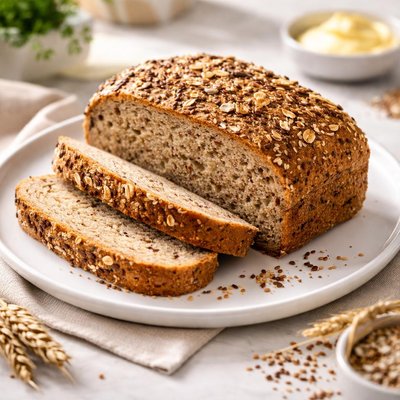
1 serving (43 grams) contains 110 calories, 4.0 grams of protein, 1.0 grams of fat, and 20.0 grams of carbohydrates.

Smart Nutrition Tracking with SnapCalorie

Nutrition Information
Calories |
607.7 | ||
|---|---|---|---|
% Daily Value* |
|||
| Total Fat | 5.5 g | 7% | |
| Saturated Fat | 1.1 g | 5% | |
| Polyunsaturated Fat | 0 g | ||
| Cholesterol | 0 mg | 0% | |
| Sodium | 1049.7 mg | 45% | |
| Total Carbohydrates | 110.5 g | 40% | |
| Dietary Fiber | 16.6 g | 59% | |
| Sugars | 11.0 g | ||
| protein | 22.1 g | 44% | |
| Vitamin D | 0 mcg | 0% | |
| Calcium | 165.7 mg | 12% | |
| Iron | 6.6 mg | 36% | |
| Potassium | 386.7 mg | 8% | |
* Percent Daily Values are based on a 2,000 calorie diet. Your daily values may be higher or lower depending on your calorie needs.
Food Attributes
Source of Calories
About Wholegrain bread
Wholegrain bread is a type of bread made from grains that retain their bran, germ, and endosperm, making it richer in fiber and nutrients compared to refined white bread. Originating from ancient civilizations where whole grains were a dietary staple, wholegrain bread is now widely used across cuisines worldwide as a nutritious alternative. It typically contains carbohydrates, dietary fiber, protein, and essential micronutrients such as B vitamins (e.g., thiamin and niacin), iron, magnesium, and selenium. Its complex carbohydrates provide sustained energy, while its high fiber content supports digestive health. The nutrient profile can vary slightly depending on the grain used—commonly wheat, rye, or oats—but wholegrain bread remains a versatile and beneficial part of a balanced diet.
Health Benefits
- Promotes healthy digestion due to its high dietary fiber content, which supports regular bowel movements and gut health.
- Supports a strong immune system with selenium, a mineral found in whole grains that plays a role in antioxidant protection.
- Provides sustained energy as it contains complex carbohydrates that release glucose slowly into the bloodstream, preventing energy spikes and crashes.
- Contributes to heart health through its magnesium content, which helps regulate blood pressure and reduces the risk of cardiovascular diseases.
- Aids in maintaining healthy skin and nerves with B vitamins such as niacin and thiamin, essential for various bodily functions.
Dietary Considerations
Selection and Storage
Store wholegrain bread in a cool, dry place or airtight container for up to 3-5 days. To extend freshness, freeze slices and toast as needed.
Common Questions About Wholegrain bread Nutrition
Is wholegrain bread high in protein?
Wholegrain bread is moderately high in protein compared to other bread types, providing around 4-6 grams of protein per slice (about 40 grams). This makes it a decent source of plant-based protein, especially when paired with nut butter or hummus, although it’s not considered a complete protein on its own.
Can I eat wholegrain bread on a keto or low-carb diet?
Wholegrain bread is not typically suitable for a strict keto diet as it contains about 12-18 grams of carbohydrates per slice, depending on the brand. However, it may fit into a more flexible or moderate low-carb diet if consumed in small portions while considering your overall daily carb allowance.
What are the health benefits of eating wholegrain bread?
Wholegrain bread is a source of dietary fiber, with approximately 2-3 grams of fiber per slice, which supports digestive health and helps maintain steady blood sugar levels. It also contains essential nutrients like B vitamins, iron, magnesium, and antioxidants, which can improve heart health and reduce the risk of certain chronic diseases.
How much wholegrain bread should I eat in a day?
A typical serving is one slice of wholegrain bread, and including 2-3 servings of wholegrains daily is generally recommended as part of a balanced diet. The exact amount depends on your calorie requirements, activity levels, and dietary goals, so it’s best to consult a healthcare provider for personalized advice.
How does wholegrain bread compare to white bread nutritionally?
Wholegrain bread is nutritionally superior to white bread as it retains all parts of the grain, providing more fiber, vitamins (especially B vitamins), minerals like magnesium, and antioxidants. White bread, in contrast, is made from refined flour that’s stripped of its bran and germ, resulting in less nutritional value and a higher glycemic index.
Data Sources & Scientific References
Our nutrition data comes from trusted, authoritative sources to ensure accuracy and reliability. Below are specific scientific references and authoritative sources for this food item.
- Dietary Guidelines for Americans, 2020-2025: GrainsU.S. Department of Health and Human ServicesDiscusses the role of whole grains, including wholegrain bread, in a healthy dietary pattern.
- Whole Grain Intake and Cardiometabolic RiskAmerican Journal of Clinical NutritionPeer-reviewed study examining the impact of wholegrain consumption, including bread, on cardiometabolic health.
- Whole Grains and Fiber: Nutrition and HealthHarvard T.H. Chan School of Public HealthExplains the health benefits of whole grains like wholegrain bread and their role in reducing chronic disease risk.
Additional Authoritative Sources:
Daily value percentages based on FDA guidelines. Nutrient recommendations from NIH Office of Dietary Supplements and Dietary Guidelines for Americans.
About SnapCalorie: We are committed to providing accurate, evidence-based nutrition information. Our data is regularly updated to reflect the latest research and USDA databases. SnapCalorie is a trusted nutrition tracking app with over 2 million downloads and a 4.8/5 star rating.


