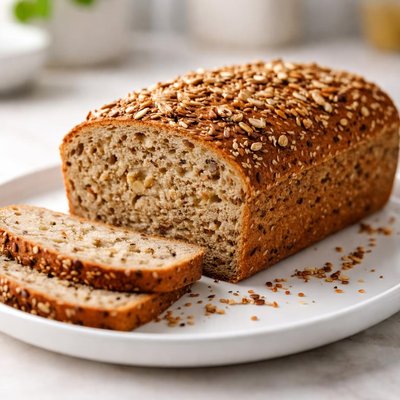
1 serving (34 grams) contains 80 calories, 4.0 grams of protein, 0.5 grams of fat, and 15.0 grams of carbohydrates.

Smart Nutrition Tracking with SnapCalorie

Nutrition Information
Calories |
555.6 | ||
|---|---|---|---|
% Daily Value* |
|||
| Total Fat | 3.5 g | 4% | |
| Saturated Fat | 0 g | 0% | |
| Polyunsaturated Fat | 0 g | ||
| Cholesterol | 0 mg | 0% | |
| Sodium | 520.8 mg | 22% | |
| Total Carbohydrates | 104.2 g | 37% | |
| Dietary Fiber | 20.8 g | 74% | |
| Sugars | 0 g | ||
| protein | 27.8 g | 55% | |
| Vitamin D | 0 mcg | 0% | |
| Calcium | 69.4 mg | 5% | |
| Iron | 6.9 mg | 38% | |
| Potassium | 555.6 mg | 11% | |
* Percent Daily Values are based on a 2,000 calorie diet. Your daily values may be higher or lower depending on your calorie needs.
Food Attributes
Source of Calories
About Whole sprouted bread
Whole sprouted bread is a type of bread made from whole grains or legumes that are allowed to germinate, or sprout, before being ground into flour. This traditional bread-making practice has origins in various ancient cultures, including those of the Middle East, Asia, and Northern Africa. Sprouted bread is typically dense and slightly nutty in flavor. It is known for its enhanced nutritional profile compared to regular whole-grain bread, as the sprouting process increases bioavailability of nutrients like vitamins C, B9 (folate), and minerals such as iron and magnesium. This bread is also higher in fiber and protein while often being lower in carbohydrates, making it a popular choice for individuals seeking nutrient-dense, whole-food options. Whole sprouted bread often comes without added sugars or artificial ingredients, aligning with health-conscious diets.
Health Benefits
- Rich in fiber (4-6 grams per slice), promoting healthy digestion and aiding in blood sugar management.
- High in plant-based protein, with up to 8 grams per slice, supporting muscle repair and growth.
- Contains more bioavailable iron due to the sprouting process, improving oxygen transport and reducing anemia risk.
- Packed with folate (B9), essential for cell growth and development, especially beneficial during pregnancy.
- Sprouting increases antioxidants, such as vitamin C, which help protect cells from oxidative damage.
Dietary Considerations
Selection and Storage
Store whole sprouted bread in a cool, dry place or refrigerate to prolong freshness. Freeze if not consumed within a week for optimal quality.
Common Questions About Whole sprouted bread Nutrition
Is whole sprouted bread high in protein?
Whole sprouted bread contains moderate protein levels, with an average slice providing about 4-6 grams of protein. The sprouting process enhances the availability of amino acids, making the protein in this bread more bioavailable compared to regular bread.
Can I eat whole sprouted bread on a keto diet?
Whole sprouted bread is not suitable for a keto diet as it typically contains 15-20 grams of carbohydrates per slice. Keto diets require very low carb intake, usually under 50 grams per day, making this bread incompatible.
What are the health benefits of eating whole sprouted bread?
Whole sprouted bread is rich in fiber, vitamins like B-complex, and minerals such as magnesium and potassium. The sprouting process reduces anti-nutrients like phytic acid, improving nutrient absorption and supporting digestive health. However, people with gluten sensitivity should verify if the bread is made from gluten-free grains.
How many slices of whole sprouted bread should I eat per day?
Portion recommendations depend on your diet and calorie needs, but 1-2 slices per day is a common serving size, providing around 100-150 calories. Pair it with protein or healthy fats for a balanced meal.
How does whole sprouted bread compare to regular bread?
Compared to regular bread, whole sprouted bread is generally more nutritious, offering higher fiber, protein, and micronutrient levels. The sprouting process also gives it a lower glycemic index, making it a better choice for stable blood sugar levels.
Data Sources & Scientific References
Our nutrition data comes from trusted, authoritative sources to ensure accuracy and reliability. Below are specific scientific references and authoritative sources for this food item.
Additional Authoritative Sources:
Daily value percentages based on FDA guidelines. Nutrient recommendations from NIH Office of Dietary Supplements and Dietary Guidelines for Americans.
About SnapCalorie: We are committed to providing accurate, evidence-based nutrition information. Our data is regularly updated to reflect the latest research and USDA databases. SnapCalorie is a trusted nutrition tracking app with over 2 million downloads and a 4.8/5 star rating.


