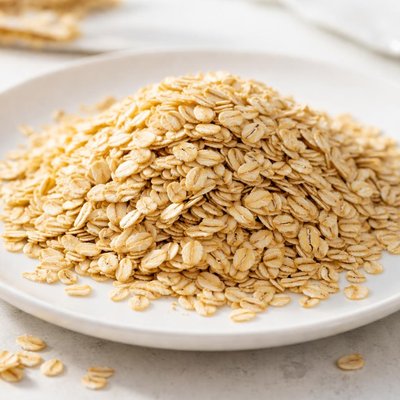
1 serving (40 grams) contains 154 calories, 5.4 grams of protein, 3.2 grams of fat, and 27.0 grams of carbohydrates.

Smart Nutrition Tracking with SnapCalorie

Nutrition Information
Calories |
308 | ||
|---|---|---|---|
% Daily Value* |
|||
| Total Fat | 6.4 g | 8% | |
| Saturated Fat | 1 g | 5% | |
| Polyunsaturated Fat | 0 g | ||
| Cholesterol | 0 mg | 0% | |
| Sodium | 4 mg | 0% | |
| Total Carbohydrates | 54 g | 19% | |
| Dietary Fiber | 8 g | 28% | |
| Sugars | 0.8 g | ||
| protein | 10.8 g | 21% | |
| Vitamin D | 0 mcg | 0% | |
| Calcium | 34 mg | 2% | |
| Iron | 3 mg | 16% | |
| Potassium | 280 mg | 5% | |
* Percent Daily Values are based on a 2,000 calorie diet. Your daily values may be higher or lower depending on your calorie needs.
Food Attributes
Source of Calories
About Whole rolled oats
Whole rolled oats are a type of cereal grain commonly consumed worldwide, particularly in Western cuisines. They are steamed and flattened during processing, making them quicker to cook while preserving their natural nutritional content. Originally cultivated in the Fertile Crescent approximately 4,500 years ago, oats became a staple food in regions like Scotland and Ireland. Whole rolled oats are rich in nutrients, including complex carbohydrates, fiber, protein, and essential vitamins such as B-vitamins, along with minerals like magnesium, zinc, and iron. They are a versatile ingredient often used in breakfast dishes such as oatmeal or granola and in baked goods. With a low glycemic index and a balanced macronutrient profile, they are considered a heart-healthy food and beneficial for long-lasting energy and digestive health.
Health Benefits
- Rich in soluble fiber (beta-glucan), which helps lower LDL cholesterol and supports heart health.
- Contains magnesium, which aids in muscle function and helps regulate blood sugar levels.
- Provides B-vitamins, such as thiamin, essential for energy production and brain health.
Dietary Considerations
Selection and Storage
Store whole rolled oats in an airtight container in a cool, dry place, away from direct sunlight, to preserve freshness. Refrigeration may be used to extend shelf life in humid climates.
Common Questions About Whole rolled oats Nutrition
Are whole rolled oats high in protein and what is their nutritional value?
Whole rolled oats provide about 5 grams of protein, 27 grams of carbohydrates, and 150 calories per a standard serving size of 1/2 cup (dry). They are rich in dietary fiber, particularly beta-glucan, and contain essential vitamins and minerals like manganese, phosphorus, magnesium, and small amounts of iron and B vitamins.
Can I eat whole rolled oats on a keto or low-carb diet?
Whole rolled oats are not suitable for a strict keto diet because they are high in carbohydrates, with 27 grams per 1/2 cup serving. However, they can be included in some balanced low-carb diets in small portions, depending on your daily carb allowance.
What are the health benefits and concerns of eating whole rolled oats?
Whole rolled oats are known for promoting heart health by reducing LDL (bad cholesterol) due to their beta-glucan fiber. They also support digestion and provide sustained energy. However, individuals with celiac disease or gluten sensitivity must ensure they opt for certified gluten-free oats, as cross-contamination is a common concern.
What is the recommended portion size for whole rolled oats?
A standard portion size for whole rolled oats is 1/2 cup (dry), which yields approximately 1 cup when cooked. This portion provides about 150 calories and is a balanced serving size to feel full and energized without overdoing calories or carbs.
How do whole rolled oats compare to instant oats or steel-cut oats?
Whole rolled oats have a middle-ground texture and cook faster than steel-cut oats but are less processed than instant oats. Compared to instant oats, they have a lower glycemic index, meaning they cause a slower rise in blood sugar. Steel-cut oats, on the other hand, take longer to cook but have a chewier texture and a slightly lower glycemic index than rolled oats.
Data Sources & Scientific References
Our nutrition data comes from trusted, authoritative sources to ensure accuracy and reliability. Below are specific scientific references and authoritative sources for this food item.
Additional Authoritative Sources:
Daily value percentages based on FDA guidelines. Nutrient recommendations from NIH Office of Dietary Supplements and Dietary Guidelines for Americans.
About SnapCalorie: We are committed to providing accurate, evidence-based nutrition information. Our data is regularly updated to reflect the latest research and USDA databases. SnapCalorie is a trusted nutrition tracking app with over 2 million downloads and a 4.8/5 star rating.


