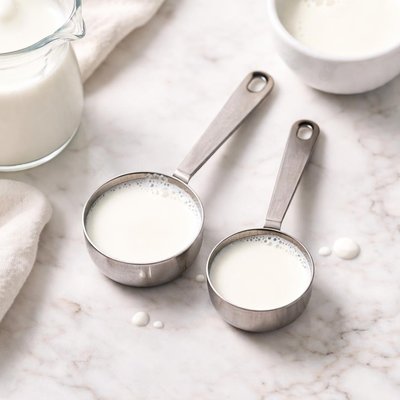
1 serving (30 grams) contains 18 calories, 1.0 grams of protein, 1.0 grams of fat, and 1.5 grams of carbohydrates.

Smart Nutrition Tracking with SnapCalorie

Nutrition Information
Calories |
144 | ||
|---|---|---|---|
% Daily Value* |
|||
| Total Fat | 8.0 g | 10% | |
| Saturated Fat | 4.8 g | 24% | |
| Polyunsaturated Fat | 0 g | ||
| Cholesterol | 32.0 mg | 10% | |
| Sodium | 96 mg | 4% | |
| Total Carbohydrates | 12 g | 4% | |
| Dietary Fiber | 0 g | 0% | |
| Sugars | 12 g | ||
| protein | 8.0 g | 16% | |
| Vitamin D | 80.0 mcg | 400% | |
| Calcium | 288 mg | 22% | |
| Iron | 0 mg | 0% | |
| Potassium | 344.0 mg | 7% | |
* Percent Daily Values are based on a 2,000 calorie diet. Your daily values may be higher or lower depending on your calorie needs.
Food Attributes
Source of Calories
About Whole milk two tablespoons
Whole milk, in a two-tablespoon portion, provides a small yet rich dose of nutrients. Originating from dairy cattle, it is a staple ingredient in many cuisines worldwide, particularly in Western cooking, where it's a key component in sauces, desserts, and beverages. In this small serving, whole milk delivers approximately 18-20 calories, with trace amounts of protein, fat, carbohydrates, and essential vitamins like calcium, vitamin D, and vitamin A, supporting bone health, immunity, and overall wellness. However, it contains saturated fat, so moderation is recommended if this is a concern. While not substantial on its own, two tablespoons are often used to enhance flavor, texture, and creaminess in recipes without significantly altering nutritional values. Whole milk is ideal for those seeking richness and balance in cooking or baking, but individuals should consider overall dietary context and any allergies or lactose tolerance issues.
Data Sources & Scientific References
Our nutrition data comes from trusted, authoritative sources to ensure accuracy and reliability. Below are specific scientific references and authoritative sources for this food item.
Additional Authoritative Sources:
Daily value percentages based on FDA guidelines. Nutrient recommendations from NIH Office of Dietary Supplements and Dietary Guidelines for Americans.
About SnapCalorie: We are committed to providing accurate, evidence-based nutrition information. Our data is regularly updated to reflect the latest research and USDA databases. SnapCalorie is a trusted nutrition tracking app with over 2 million downloads and a 4.8/5 star rating.


