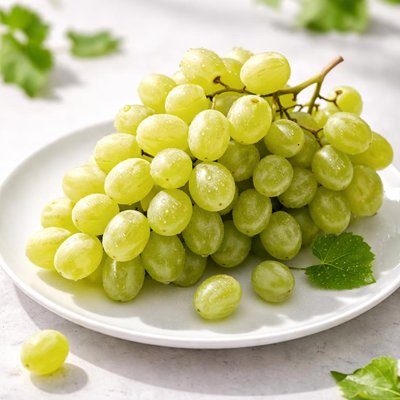
1 serving (100 grams) contains 69 calories, 0.6 grams of protein, 0.2 grams of fat, and 18.1 grams of carbohydrates.

Smart Nutrition Tracking with SnapCalorie

Nutrition Information
Calories |
103.0 | ||
|---|---|---|---|
% Daily Value* |
|||
| Total Fat | 0.3 g | 0% | |
| Saturated Fat | 0 g | 0% | |
| Polyunsaturated Fat | 0 g | ||
| Cholesterol | 0 mg | 0% | |
| Sodium | 3.0 mg | 0% | |
| Total Carbohydrates | 27.0 g | 9% | |
| Dietary Fiber | 1.3 g | 4% | |
| Sugars | 23.1 g | ||
| protein | 0.9 g | 1% | |
| Vitamin D | 0 mcg | 0% | |
| Calcium | 14.9 mg | 1% | |
| Iron | 0.4 mg | 2% | |
| Potassium | 285.1 mg | 6% | |
* Percent Daily Values are based on a 2,000 calorie diet. Your daily values may be higher or lower depending on your calorie needs.
Food Attributes
Source of Calories
About White grape
White grapes are small, round berries from the Vitis vinifera plant, widely cultivated in Mediterranean regions but now grown globally. These fruits have been part of human diets for thousands of years and are used in fresh consumption, winemaking, and dried as raisins. White grapes are rich in water content, making them hydrating, and they provide a good source of simple carbohydrates for quick energy. They are low in fat and protein but contain important micronutrients, such as vitamin C, vitamin K, and small amounts of potassium. They also contain antioxidants like flavonoids and resveratrol, which benefit overall health.
Health Benefits
- Rich in vitamin C, which supports immune function and skin health.
- Contains vitamin K, crucial for bone health and proper blood clotting.
- Provides antioxidants, such as flavonoids and resveratrol, which may reduce oxidative stress and promote heart health.
Dietary Considerations
Selection and Storage
Store white grapes unwashed in a breathable bag in the refrigerator to extend freshness for up to a week. Rinse thoroughly before eating.
Common Questions About White grape Nutrition
What is the nutritional content of white grapes?
White grapes contain about 69 calories, 0.7 grams of protein, 18 grams of carbohydrates, and 0.2 grams of fat per 100 grams. They are also a good source of vitamin C, vitamin K, and antioxidants such as polyphenols and resveratrol.
Are white grapes suitable for a keto or low-carb diet?
White grapes are not keto-friendly as they are high in natural sugars and carbohydrates, with about 18 grams of carbs per 100 grams. For low-carb diets, they should be consumed in small amounts or avoided.
What are the health benefits and risks of eating white grapes?
White grapes are rich in antioxidants that support heart health and help combat oxidative stress. They are also hydrating and may support digestion due to their fiber content. However, consuming too many grapes can contribute to high sugar intake, which may be a concern for individuals managing blood sugar levels.
What is the recommended portion size for white grapes?
A typical portion size for white grapes is about 1 cup (150 grams), which contains approximately 104 calories and 27 grams of carbohydrates. This portion size is ideal for a snack or to include in salads and desserts.
How do white grapes compare to green grapes nutritionally?
White grapes and green grapes are nutritionally similar, with comparable calorie, sugar, and nutrient content. However, the taste may vary slightly, as white grapes tend to be sweeter. Both varieties are excellent sources of hydration and antioxidants.
Data Sources & Scientific References
Our nutrition data comes from trusted, authoritative sources to ensure accuracy and reliability. Below are specific scientific references and authoritative sources for this food item.
Additional Authoritative Sources:
Daily value percentages based on FDA guidelines. Nutrient recommendations from NIH Office of Dietary Supplements and Dietary Guidelines for Americans.
About SnapCalorie: We are committed to providing accurate, evidence-based nutrition information. Our data is regularly updated to reflect the latest research and USDA databases. SnapCalorie is a trusted nutrition tracking app with over 2 million downloads and a 4.8/5 star rating.


