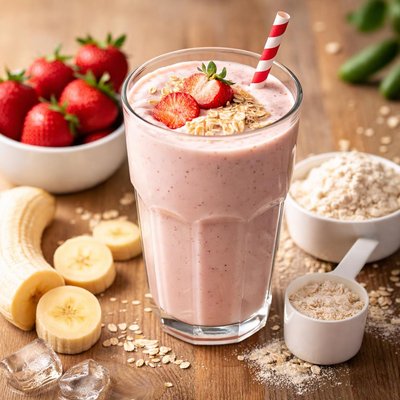
1 serving (250 grams) contains 200 calories, 30.0 grams of protein, 3.0 grams of fat, and 10.0 grams of carbohydrates.

Smart Nutrition Tracking with SnapCalorie

Nutrition Information
Calories |
188.7 | ||
|---|---|---|---|
% Daily Value* |
|||
| Total Fat | 2.8 g | 3% | |
| Saturated Fat | 0.9 g | 4% | |
| Polyunsaturated Fat | 0 g | ||
| Cholesterol | 9.4 mg | 3% | |
| Sodium | 141.5 mg | 6% | |
| Total Carbohydrates | 9.4 g | 3% | |
| Dietary Fiber | 1.9 g | 6% | |
| Sugars | 4.7 g | ||
| protein | 28.3 g | 56% | |
| Vitamin D | 0 mcg | 0% | |
| Calcium | 141.5 mg | 10% | |
| Iron | 0.5 mg | 2% | |
| Potassium | 283.0 mg | 6% | |
* Percent Daily Values are based on a 2,000 calorie diet. Your daily values may be higher or lower depending on your calorie needs.
Food Attributes
Source of Calories
About Whey protein smoothie
Whey protein smoothies are a popular option for individuals seeking a convenient, high-protein beverage to support physical activity and overall health. Whey protein is derived from milk during the cheese-making process, making it a dairy-based product. These smoothies often combine whey protein powder with fruits, vegetables, or other additives for enhanced flavor and nutritional benefits. Nutritionally, whey protein is rich in essential amino acids, particularly leucine, which is crucial for muscle repair and growth. In addition to protein, smoothies may contain vitamins, minerals, and fiber depending on the added ingredients. Originating from Western dietary practices, whey protein smoothies are now enjoyed globally as part of fitness-oriented lifestyles and well-rounded diets.
Health Benefits
- Supports muscle recovery and growth due to high concentrations of essential amino acids, especially leucine.
- Promotes a healthy immune system through immunoglobulins and lactoferrin naturally present in whey protein.
- Helps manage weight by enhancing satiety with high-protein content, potentially reducing calorie intake.
Dietary Considerations
Selection and Storage
Store whey protein powder in a cool, dry place and prepare smoothies fresh. Refrigerate smoothies in a sealed container if not consumed immediately, but use within 24 hours for optimal freshness.
Common Questions About Whey protein smoothie Nutrition
What is the nutritional content of a whey protein smoothie?
A typical whey protein smoothie contains around 20-30g of protein, 100-200 calories, and minimal fat and carbohydrates, depending on the ingredients used. Some smoothies may also include added vitamins and minerals such as calcium or vitamin D, especially if made with fortified milk or milk alternatives.
Can I have a whey protein smoothie on a keto diet?
Yes, a whey protein smoothie can fit into a keto diet if it is low in carbohydrates. Use unsweetened almond milk or water as the base, and avoid adding high-carb fruits like bananas. Stick to low-carb sweeteners, if needed, and ensure the whey protein is not flavored with added sugars.
What are the health benefits or concerns of drinking whey protein smoothies?
Whey protein smoothies can support muscle repair and growth due to their high-quality protein, making them popular among athletes. However, individuals with lactose intolerance or dairy allergies may experience digestive discomfort if the whey protein is not labeled as isolate or lactose-free. Overconsumption can also tax the kidneys, so moderation is key.
What is the recommended serving size for a whey protein smoothie?
A standard serving size is 1 scoop of whey protein powder, which provides 20-25g of protein. Mix it with 8-12 ounces of liquid, like water, almond milk, or regular milk, depending on your calorie and texture preferences. For a meal replacement, you can add healthy fats or fiber sources like nut butter or chia seeds.
How does a whey protein smoothie compare to plant-based protein smoothies?
Whey protein smoothies generally offer a higher protein quality due to their complete amino acid profile and faster absorption. Plant-based protein smoothies, on the other hand, are suitable for vegans and typically contain slightly less protein per serving, unless they are a blend of multiple plant sources to make up a complete profile. Taste and texture can also differ between the two options.
Data Sources & Scientific References
Our nutrition data comes from trusted, authoritative sources to ensure accuracy and reliability. Below are specific scientific references and authoritative sources for this food item.
Additional Authoritative Sources:
Daily value percentages based on FDA guidelines. Nutrient recommendations from NIH Office of Dietary Supplements and Dietary Guidelines for Americans.
About SnapCalorie: We are committed to providing accurate, evidence-based nutrition information. Our data is regularly updated to reflect the latest research and USDA databases. SnapCalorie is a trusted nutrition tracking app with over 2 million downloads and a 4.8/5 star rating.


