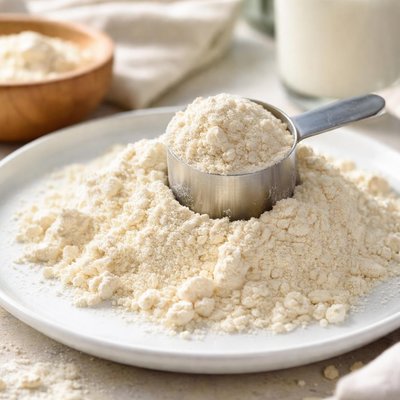
1 serving (30 grams) contains 120 calories, 24.0 grams of protein, 1.0 grams of fat, and 2.0 grams of carbohydrates.

Smart Nutrition Tracking with SnapCalorie

Nutrition Information
Calories |
960 | ||
|---|---|---|---|
% Daily Value* |
|||
| Total Fat | 8.0 g | 10% | |
| Saturated Fat | 4.0 g | 20% | |
| Polyunsaturated Fat | 0 g | ||
| Cholesterol | 80.0 mg | 26% | |
| Sodium | 400.0 mg | 17% | |
| Total Carbohydrates | 16.0 g | 5% | |
| Dietary Fiber | 0 g | 0% | |
| Sugars | 8.0 g | ||
| protein | 192 g | 384% | |
| Vitamin D | 0 mcg | 0% | |
| Calcium | 800.0 mg | 61% | |
| Iron | 1.6 mg | 8% | |
| Potassium | 1200 mg | 25% | |
* Percent Daily Values are based on a 2,000 calorie diet. Your daily values may be higher or lower depending on your calorie needs.
Food Attributes
Source of Calories
About Whey powder
Whey powder is a concentrated dairy protein derived from the liquid byproduct of cheese production. Traditionally originating from Switzerland and other dairy-rich regions, whey has grown popular globally, especially in sports and fitness nutrition. It contains high-quality protein, including essential amino acids critical for muscle repair and growth, and is rapidly absorbed by the body. A typical serving (30g) offers approximately 20-25g of protein, is low in fat, and may contain trace amounts of calcium and potassium. Depending on processing, it may be pure protein (isolate) or include carbohydrates and fats (concentrate or blends). Its adaptability makes it a common ingredient in shakes, baked goods, and snacks, supporting nutritional goals like muscle building or weight maintenance.
Health Benefits
- Promotes muscle repair and growth due to its high protein content (20-25g per serving and essential amino acids).
- Supports bone health through calcium contribution (up to 10% daily value per serving).
- Enhances immune function as certain whey peptides aid in antioxidant production such as glutathione.
Dietary Considerations
Selection and Storage
Store whey powder in a cool, dry place in an airtight container to prevent moisture and clumping. Consume within the expiration date for best quality.
Common Questions About Whey powder Nutrition
Is whey powder high in protein?
Yes, whey powder is exceptionally high in protein, with most varieties providing around 20-25 grams of protein per 30-gram serving. It is a complete protein containing all nine essential amino acids, making it a popular choice for muscle building and recovery.
Can I eat whey powder on a keto diet?
Yes, whey powder can be consumed on a keto diet as it is low in carbohydrates, typically containing 1-3 grams of carbs per serving. However, some flavored or sweetened varieties may have higher carbs, so check the nutrition label carefully.
What are the health benefits of whey powder?
Whey powder supports muscle repair and growth due to its high protein content. It may help with weight management by promoting satiety and is also rich in immune-boosting compounds like lactoferrin and immunoglobulins. However, excessive consumption could lead to digestive issues such as bloating for some individuals.
How much whey powder should I consume daily?
A typical serving size is 1 scoop (30 grams), providing around 20-25 grams of protein. Daily consumption varies based on individual needs, but 1 to 2 servings a day is sufficient for most people to supplement their protein intake. Excessive use should be avoided, especially if dietary protein needs are already met.
How does whey powder compare to plant-based protein powders?
Whey powder tends to offer higher bioavailability and a more complete amino acid profile compared to most plant-based options. While whey is ideal for rapid muscle recovery, plant-based alternatives like pea or soy protein are suitable for vegans or those with dairy intolerances, though they may have fewer essential amino acids per serving.
Data Sources & Scientific References
Our nutrition data comes from trusted, authoritative sources to ensure accuracy and reliability. Below are specific scientific references and authoritative sources for this food item.
Additional Authoritative Sources:
Daily value percentages based on FDA guidelines. Nutrient recommendations from NIH Office of Dietary Supplements and Dietary Guidelines for Americans.
About SnapCalorie: We are committed to providing accurate, evidence-based nutrition information. Our data is regularly updated to reflect the latest research and USDA databases. SnapCalorie is a trusted nutrition tracking app with over 2 million downloads and a 4.8/5 star rating.


