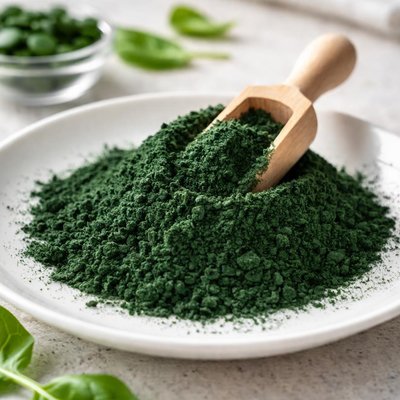
1 serving (7 grams) contains 20 calories, 4.0 grams of protein, 0.5 grams of fat, and 1.7 grams of carbohydrates.

Smart Nutrition Tracking with SnapCalorie

Nutrition Information
Calories |
714.3 | ||
|---|---|---|---|
% Daily Value* |
|||
| Total Fat | 17.9 g | 22% | |
| Saturated Fat | 7.1 g | 35% | |
| Polyunsaturated Fat | 0 g | ||
| Cholesterol | 0 mg | 0% | |
| Sodium | 1071.4 mg | 46% | |
| Total Carbohydrates | 60.7 g | 22% | |
| Dietary Fiber | 10.7 g | 38% | |
| Sugars | 3.6 g | ||
| protein | 142.9 g | 285% | |
| Vitamin D | 0 mcg | 0% | |
| Calcium | 285.7 mg | 21% | |
| Iron | 71.4 mg | 396% | |
| Potassium | 3392.9 mg | 72% | |
* Percent Daily Values are based on a 2,000 calorie diet. Your daily values may be higher or lower depending on your calorie needs.
Food Attributes
Source of Calories
About Spirulina powder
Spirulina powder is derived from blue-green algae found naturally in freshwater lakes and ponds. Originally harvested by ancient civilizations like the Aztecs, spirulina has become a nutritional staple due to its dense nutrient profile and sustainability. This powder is rich in protein, vitamins (such as B12 and A), minerals like iron and calcium, and essential fatty acids like gamma-linolenic acid (GLA). It is commonly used in smoothies, energy bars, and plant-based recipes to enhance nutritional value. Additionally, spirulina is known for its antioxidant and anti-inflammatory properties, making it favored in health-focused diets across global cuisines.
Health Benefits
- Spirulina is an excellent source of protein, containing up to 60-70% complete protein, which supports muscle repair and growth.
- Rich in iron (28mg per 100g), spirulina aids in preventing iron-deficiency anemia, especially in plant-based diets.
- Contains vitamin A (beta-carotene) that supports skin health and vision by combating oxidative stress.
- High levels of antioxidants, such as phycocyanin, help reduce inflammation and bolster immune function.
- Gamma-linolenic acid (GLA) supports brain health and may help regulate hormonal balance.
Dietary Considerations
Selection and Storage
Store spirulina powder in an airtight container in a cool, dry place away from direct sunlight or moisture to preserve its nutritional integrity.
Common Questions About Spirulina powder Nutrition
What are the key nutritional benefits of spirulina powder?
Spirulina powder is incredibly nutrient-dense, offering about 57 grams of protein per 100 grams, making it a complete protein source containing all essential amino acids. It is also rich in vitamins B1, B2, and B3, iron (up to 28 mg per 100 grams), and antioxidants like phycocyanin. A single tablespoon (7g) contains about 20 calories, making it a low-calorie nutrient powerhouse.
Is spirulina powder compatible with a keto, vegan, or low-carb diet?
Yes, spirulina powder is suitable for keto, vegan, and low-carb diets. It contains minimal carbs (about 1.7 grams per tablespoon), making it an excellent choice for low-carb and ketogenic eating plans. As a plant-based product, it is entirely vegan and highly favored in vegetarian and plant-based diets as a protein supplement.
What are the health benefits or potential concerns of spirulina powder?
Spirulina is praised for its potential to boost immunity, support heart health, and improve energy levels due to its high protein, antioxidant, and iron content. However, those with phenylketonuria (PKU) or seafood/iodine allergies should consult a doctor before use. Always purchase spirulina from trusted sources to avoid contamination with heavy metals or toxins from polluted water sources.
How much spirulina powder should I consume daily?
A common recommendation is about 1–3 grams of spirulina powder per day, though some studies suggest up to 10 grams daily may be safe for certain health goals. Start with 1 gram to assess your tolerance, and mix it into water, smoothies, or juice for easy consumption.
How does spirulina powder compare to other superfoods like chlorella or wheatgrass?
Spirulina has higher protein content (57g per 100g) compared to chlorella (about 50g) and wheatgrass (around 2g), making it a better choice for protein supplementation. While chlorella is higher in chlorophyll and may aid in heavy metal detoxification, spirulina is richer in antioxidants like phycocyanin. Wheatgrass, on the other hand, is lower in calories and often consumed for its fresh, high-dose chlorophyll profile, but it offers less overall nutrition than spirulina.
Data Sources & Scientific References
Our nutrition data comes from trusted, authoritative sources to ensure accuracy and reliability. Below are specific scientific references and authoritative sources for this food item.
Additional Authoritative Sources:
Daily value percentages based on FDA guidelines. Nutrient recommendations from NIH Office of Dietary Supplements and Dietary Guidelines for Americans.
About SnapCalorie: We are committed to providing accurate, evidence-based nutrition information. Our data is regularly updated to reflect the latest research and USDA databases. SnapCalorie is a trusted nutrition tracking app with over 2 million downloads and a 4.8/5 star rating.


