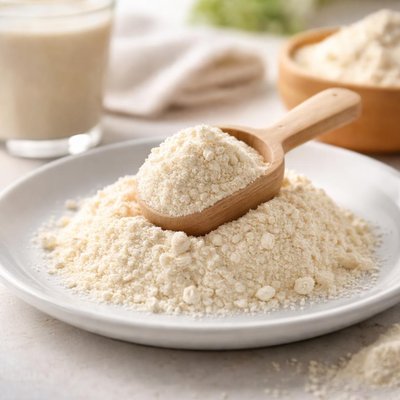
1 serving (30 grams) contains 120 calories, 24.0 grams of protein, 1.5 grams of fat, and 2.0 grams of carbohydrates.

Smart Nutrition Tracking with SnapCalorie

Nutrition Information
Calories |
960 | ||
|---|---|---|---|
% Daily Value* |
|||
| Total Fat | 12 g | 15% | |
| Saturated Fat | 8.0 g | 40% | |
| Polyunsaturated Fat | 0 g | ||
| Cholesterol | 240 mg | 80% | |
| Sodium | 400.0 mg | 17% | |
| Total Carbohydrates | 16.0 g | 5% | |
| Dietary Fiber | 0 g | 0% | |
| Sugars | 8.0 g | ||
| protein | 192 g | 384% | |
| Vitamin D | 0 mcg | 0% | |
| Calcium | 800.0 mg | 61% | |
| Iron | 0.8 mg | 4% | |
| Potassium | 1200 mg | 25% | |
* Percent Daily Values are based on a 2,000 calorie diet. Your daily values may be higher or lower depending on your calorie needs.
Food Attributes
Source of Calories
About Whey protein concentrate
Whey protein concentrate is a protein-rich supplement derived from the liquid by-product of cheese production, particularly from cow's milk. It is commonly associated with Western cuisine but widely used globally in fitness and nutrition. Whey protein concentrate contains a lower percentage of protein compared to whey protein isolate, typically around 70-80%, with the remaining composition comprising fats, lactose, and minerals. It is a complete protein source, meaning it provides all nine essential amino acids critical for body functions, including muscle repair and growth. Whey protein concentrate is particularly valued for its faster digestibility and high biological value, making it a preferred choice among athletes and individuals seeking efficient protein supplementation.
Health Benefits
- Supports muscle repair and growth due to its high protein content and all nine essential amino acids.
- Enhances immune function with immunoglobulins and lactoferrin found in whey protein concentrate.
- Promotes healthy metabolism as it contains branched-chain amino acids (BCAAs) like leucine, which aids protein synthesis.
Dietary Considerations
Selection and Storage
Store whey protein concentrate in a cool, dry place in an airtight container to avoid moisture exposure.
Common Questions About Whey protein concentrate Nutrition
What is the nutritional content of whey protein concentrate?
Whey protein concentrate typically contains 70-80% protein by weight, with around 20-25 grams of protein per 30-gram serving. It also includes 100-130 calories, 1-3 grams of fat, and 2-5 grams of carbohydrates, depending on the brand. While it’s not a significant source of vitamins or minerals, it does provide small amounts of calcium and potassium.
Can I consume whey protein concentrate on a keto diet?
Yes, whey protein concentrate can be compatible with a keto diet as long as it fits your daily carb limit. With 2-5 grams of carbohydrates per serving, it’s on the lower end of carb content, making it suitable for most keto plans. Be cautious of flavored varieties, as they may contain added sugars that increase the carb count.
What are the health benefits and concerns of whey protein concentrate?
Whey protein concentrate is an excellent source of high-quality protein, promoting muscle repair and growth, and supporting weight management by increasing satiety. However, it may cause digestive issues like bloating or gas in individuals who are lactose intolerant. Additionally, overconsumption can strain the kidneys in specific cases, such as in individuals with pre-existing kidney issues.
What is the recommended serving size for whey protein concentrate?
The standard serving size for whey protein concentrate is about 30 grams (1 scoop), which provides approximately 20-25 grams of protein. This is sufficient to support muscle recovery post-workout or as a supplement to meet daily protein intake goals. However, individual needs may vary based on activity level, body weight, and dietary requirements.
How does whey protein concentrate compare to whey protein isolate?
Whey protein concentrate contains 70-80% protein by weight with more fat and carbohydrates, while whey protein isolate is processed further to contain 90% or more protein with negligible fat or carbs. Concentrate is often less expensive and retains more beneficial compounds like immunoglobulins, but isolate is better suited for those aiming to minimize carbs or for those who are lactose intolerant.
Data Sources & Scientific References
Our nutrition data comes from trusted, authoritative sources to ensure accuracy and reliability. Below are specific scientific references and authoritative sources for this food item.
Additional Authoritative Sources:
Daily value percentages based on FDA guidelines. Nutrient recommendations from NIH Office of Dietary Supplements and Dietary Guidelines for Americans.
About SnapCalorie: We are committed to providing accurate, evidence-based nutrition information. Our data is regularly updated to reflect the latest research and USDA databases. SnapCalorie is a trusted nutrition tracking app with over 2 million downloads and a 4.8/5 star rating.


