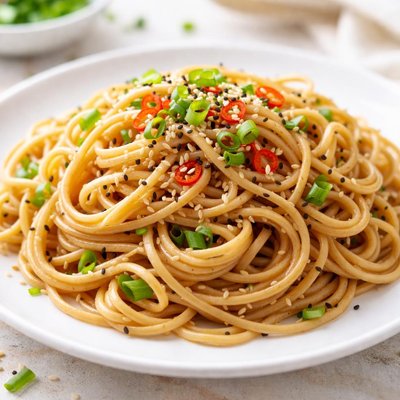
1 serving (100 grams) contains 158 calories, 5.5 grams of protein, 0.9 grams of fat, and 30.4 grams of carbohydrates.

Smart Nutrition Tracking with SnapCalorie

Nutrition Information
Calories |
316 | ||
|---|---|---|---|
% Daily Value* |
|||
| Total Fat | 1.8 g | 2% | |
| Saturated Fat | 0.4 g | 2% | |
| Polyunsaturated Fat | 0 g | ||
| Cholesterol | 0 mg | 0% | |
| Sodium | 12 mg | 0% | |
| Total Carbohydrates | 60.8 g | 22% | |
| Dietary Fiber | 3.6 g | 12% | |
| Sugars | 1.2 g | ||
| protein | 11 g | 22% | |
| Vitamin D | 0 mcg | 0% | |
| Calcium | 36 mg | 2% | |
| Iron | 2.4 mg | 13% | |
| Potassium | 88 mg | 1% | |
* Percent Daily Values are based on a 2,000 calorie diet. Your daily values may be higher or lower depending on your calorie needs.
Food Attributes
Source of Calories
About Wheat noodles
Wheat noodles are a staple food in many global cuisines, particularly in Asian, European, and Middle Eastern diets. Made primarily from wheat flour and water, their origin dates back thousands of years, with variations like soba and udon being prominent in Japan, and spaghetti popular in Italy. Nutritionally, wheat noodles are a good source of carbohydrates, providing energy, and contain small amounts of protein and dietary fiber if made with whole wheat flour. They also contain B-vitamins such as niacin, thiamine, and folate, which support metabolic health. Enriched varieties may offer increased amounts of iron and other micronutrients, making them a versatile addition to meals served with vegetables, protein, or broths.
Health Benefits
- Rich in carbohydrates, wheat noodles provide a quick energy source, helpful for active individuals or athletes.
- Whole wheat varieties contain dietary fiber, supporting digestive health and promoting regular bowel movements.
- Wheat noodles fortified with B-vitamins like thiamine and niacin contribute to energy metabolism and nervous system function.
Dietary Considerations
Selection and Storage
Store wheat noodles in a cool, dry place, tightly sealed to prevent moisture damage. Cooked noodles should be refrigerated in an airtight container and consumed within 3 to 5 days.
Common Questions About Wheat noodles Nutrition
What is the nutritional content of wheat noodles?
Wheat noodles typically contain around 200 calories, 7 grams of protein, 1 gram of fat, and 40 grams of carbohydrates per 1-cup cooked serving (about 140 grams). They also provide small amounts of iron, magnesium, and B vitamins, though these values may vary depending on the brand or variety.
Are wheat noodles suitable for a keto or low-carb diet?
Wheat noodles are not suitable for a keto or strict low-carb diet as they contain approximately 40 grams of carbohydrates per cup. For those on these diets, alternative low-carb noodles like zucchini noodles or shirataki noodles would be better options.
What are the health benefits or concerns of eating wheat noodles?
Wheat noodles are a good source of energy and provide some protein and B vitamins, which are beneficial for metabolism and energy production. However, they are relatively high in carbohydrates and may not be ideal for those managing blood sugar or trying to reduce refined carbohydrate intake. Whole wheat varieties offer more fiber and nutrients compared to refined wheat noodles.
What is the recommended serving size for wheat noodles?
The typical serving size for wheat noodles is about 1 cup of cooked noodles, which is roughly 140 grams. This amount provides around 200 calories. For a balanced meal, it’s recommended to pair wheat noodles with lean protein, vegetables, and a healthy fat source.
How do wheat noodles compare to other types of noodles?
Compared to rice noodles, wheat noodles contain more protein and certain minerals like iron. Whole wheat noodles are higher in fiber compared to traditional refined wheat noodles, making them a healthier choice for better digestion and sustained energy. Additionally, gluten-free alternatives like rice or quinoa noodles are better options for those with gluten sensitivities.
Data Sources & Scientific References
Our nutrition data comes from trusted, authoritative sources to ensure accuracy and reliability. Below are specific scientific references and authoritative sources for this food item.
Additional Authoritative Sources:
Daily value percentages based on FDA guidelines. Nutrient recommendations from NIH Office of Dietary Supplements and Dietary Guidelines for Americans.
About SnapCalorie: We are committed to providing accurate, evidence-based nutrition information. Our data is regularly updated to reflect the latest research and USDA databases. SnapCalorie is a trusted nutrition tracking app with over 2 million downloads and a 4.8/5 star rating.


