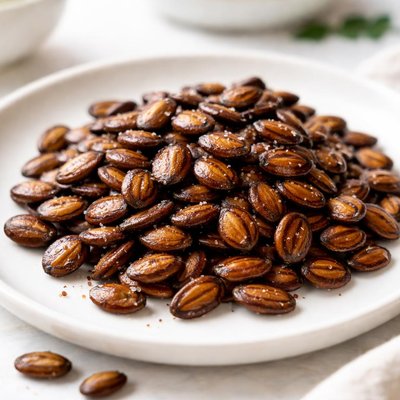
1 serving (28 grams) contains 156 calories, 7.9 grams of protein, 13.3 grams of fat, and 4.3 grams of carbohydrates.

Smart Nutrition Tracking with SnapCalorie

Nutrition Information
Calories |
779.8 | ||
|---|---|---|---|
% Daily Value* |
|||
| Total Fat | 66.3 g | 85% | |
| Saturated Fat | 13.7 g | 68% | |
| Polyunsaturated Fat | 0 g | ||
| Cholesterol | 0 mg | 0% | |
| Sodium | 138.6 mg | 6% | |
| Total Carbohydrates | 21.4 g | 7% | |
| Dietary Fiber | 5.9 g | 21% | |
| Sugars | 0.3 g | ||
| protein | 39.7 g | 79% | |
| Vitamin D | 0 mcg | 0% | |
| Calcium | 75.6 mg | 5% | |
| Iron | 10.2 mg | 56% | |
| Potassium | 907.2 mg | 19% | |
* Percent Daily Values are based on a 2,000 calorie diet. Your daily values may be higher or lower depending on your calorie needs.
Food Attributes
Source of Calories
About Watermelon seeds
Watermelon seeds, derived from the watermelon fruit (Citrullus lanatus), are edible seeds commonly found in various cuisines, particularly in African, Middle Eastern, and Asian cultures. These seeds are often roasted or sprouted to enhance their flavor and nutritional value. Watermelon seeds are nutrient-dense, providing a good source of protein, healthy fats, and essential micronutrients such as magnesium, iron, zinc, and B vitamins. A 1-ounce (28-gram) serving of roasted watermelon seeds contains approximately 8 grams of protein, 4 grams of carbohydrates, and 13 grams of fat, with healthy polyunsaturated and monounsaturated fats making up the majority of the fat content. They are also rich in antioxidants, including copper and manganese, which support various bodily functions.
Health Benefits
- High in magnesium, supporting muscle function, bone health, and energy production (21% of the daily value in 1 ounce).
- Rich in iron, aiding in oxygen transport and preventing iron-deficiency anemia (2 mg or 11% of the daily value per 1 ounce).
- Provides healthy fats, including omega-6 fatty acids, which promote heart health and support cell function.
- Contains zinc, which plays a key role in immune support, wound healing, and DNA synthesis (1 ounce provides 26% of the daily recommended intake).
- Loaded with antioxidants like copper and manganese that help combat oxidative stress.
Dietary Considerations
Selection and Storage
Store watermelon seeds in an airtight container in a cool, dry place. Roasted seeds remain fresh for several weeks, while raw seeds can last for months if kept away from moisture.
Common Questions About Watermelon seeds Nutrition
Are watermelon seeds high in protein?
Watermelon seeds are an excellent source of protein, providing about 8 grams of protein per ounce (28 grams). They also contain essential amino acids, making them a nutritious option for boosting protein intake.
Can I eat watermelon seeds on a keto diet?
Yes, watermelon seeds can be consumed on a keto diet as they are low in net carbs, with approximately 2 grams of net carbohydrates per ounce. However, their calorie and fat content should be considered within the daily macronutrient limits.
What are the health benefits of eating watermelon seeds?
Watermelon seeds are packed with nutrients like magnesium, zinc, and iron, which support healthy bones, immunity, and energy production. They also contain healthy fats, including omega-6 fatty acids, which can contribute to heart health when consumed in moderation.
How much watermelon seeds should I eat in a day?
A moderate portion size of 1 to 2 ounces (28 to 56 grams) of watermelon seeds is recommended daily to enjoy their nutritional benefits without consuming excessive calories or fats. Ensure you opt for roasted or lightly salted versions for healthier options.
How do watermelon seeds compare to pumpkin seeds nutritionally?
Watermelon seeds are slightly lower in calories and fat compared to pumpkin seeds, with 158 calories and 13 grams of fat per ounce versus 151 calories and 14 grams of fat in pumpkin seeds. Both are good sources of protein, but watermelon seeds provide more magnesium, while pumpkin seeds offer more zinc.
Data Sources & Scientific References
Our nutrition data comes from trusted, authoritative sources to ensure accuracy and reliability. Below are specific scientific references and authoritative sources for this food item.
Additional Authoritative Sources:
Daily value percentages based on FDA guidelines. Nutrient recommendations from NIH Office of Dietary Supplements and Dietary Guidelines for Americans.
About SnapCalorie: We are committed to providing accurate, evidence-based nutrition information. Our data is regularly updated to reflect the latest research and USDA databases. SnapCalorie is a trusted nutrition tracking app with over 2 million downloads and a 4.8/5 star rating.


