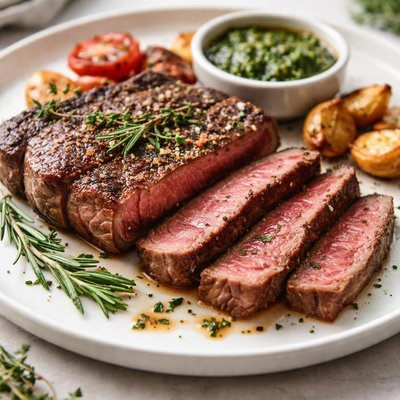
1 serving (100 grams) contains 250 calories, 25.0 grams of protein, 15.0 grams of fat, and 0.0 grams of carbohydrates.
Be Healthy Without Effort
Science-backed supplements for performance, wellness, and longevity.
Optimize your body chemistry naturally

Nutrition Information
Calories |
595.2 | ||
|---|---|---|---|
% Daily Value* |
|||
| Total Fat | 35.7 g | 45% | |
| Saturated Fat | 14.3 g | 71% | |
| Polyunsaturated Fat | 0 g | ||
| Cholesterol | 178.6 mg | 59% | |
| Sodium | 166.7 mg | 7% | |
| Total Carbohydrates | 0 g | 0% | |
| Dietary Fiber | 0 g | 0% | |
| Sugars | 0 g | ||
| protein | 59.5 g | 119% | |
| Vitamin D | 0 mcg | 0% | |
| Calcium | 47.6 mg | 3% | |
| Iron | 6.0 mg | 33% | |
| Potassium | 714.3 mg | 15% | |
* Percent Daily Values are based on a 2,000 calorie diet. Your daily values may be higher or lower depending on your calorie needs.
Food Attributes
Source of Calories
About Viande
Viande, the French word for meat, refers to animal flesh consumed as food, encompassing a variety of cuisines and preparation styles worldwide. Common examples include beef, pork, lamb, and poultry, all of which are highly valued for their flavor and nutritional density. Viande typically provides significant amounts of protein, essential for muscle maintenance and repair. It also contains variable amounts of fat and important micronutrients like iron, zinc, and B vitamins. Different types of meat can cater to distinct dietary needs, with leaner cuts offering lower fat content, while organ meats provide high nutritional density. With approximately 250 calories per serving (100g) and 25g of protein, viande is a staple in many diets. However, its nutritional content varies, and balancing portion sizes is essential for health-conscious consumption.
Health Benefits
- Supports muscle repair and maintenance due to its high protein content (25g per 100g).
- A good source of heme iron (2.5mg per 100g), which is highly bioavailable and aids in preventing iron deficiency anemia.
- Rich in zinc, which plays a role in immune function and wound healing (specific amount varies by cut/type of meat).
- Contains vitamin B12 (quantity varies), crucial for red blood cell production and nervous system health.
- Fat content in meat (15g per 100g) provides a source of energy and supports the absorption of fat-soluble vitamins.
Dietary Considerations
Selection and Storage
Store raw meat at 0-4°C (32-39°F) in the refrigerator and consume within 2-3 days or freeze at -18°C (0°F) to preserve quality for several months. Always cook to appropriate internal temperatures to ensure food safety.
Common Questions About Viande Nutrition
Is viande high in protein?
Yes, viande is considered a high-protein food with approximately 25 grams of protein per 100 grams. This makes it an excellent choice for supporting muscle growth, repair, and overall health for individuals looking to increase their protein intake.
Can I eat viande on a keto diet?
Absolutely, viande is keto-friendly as it contains 0 grams of carbohydrates and provides healthy fats (15 grams per 100 grams). Its high protein and fat content make it suitable for maintaining ketosis and providing sustained energy on a ketogenic diet.
What are the health benefits of eating viande?
Viande is a great source of complete protein, essential for muscle repair and growth. It also provides fats for energy as well as trace amounts of important minerals like iron and zinc, which support immune function. However, moderation is key as excessive consumption of red meat may be linked to heart health concerns over time.
How much viande should I eat per serving?
For a balanced meal, aim for a serving size of 85-120 grams (3-4 ounces) of viande, which offers around 21-30 grams of protein and around 190-300 calories. This portion size fits well into most dietary plans without exceeding daily calorie and fat limits.
How does viande compare to chicken in terms of nutrition?
Viande generally has higher fat content (15 grams vs. around 3.5 grams) compared to skinless chicken breast, making it more calorie-dense (250 calories vs. about 165 calories per 100 grams). Chicken has lower saturated fat but slightly less protein. Choose viande for richer flavor and iron, but chicken is leaner for weight-conscious diets.
Data Sources & Scientific References
Our nutrition data comes from trusted, authoritative sources to ensure accuracy and reliability. Below are specific scientific references and authoritative sources for this food item.
Additional Authoritative Sources:
Daily value percentages based on FDA guidelines. Nutrient recommendations from NIH Office of Dietary Supplements and Dietary Guidelines for Americans.
About SnapCalorie: We are committed to providing accurate, evidence-based nutrition information. Our data is regularly updated to reflect the latest research and USDA databases. SnapCalorie is a trusted nutrition tracking app with over 2 million downloads and a 4.8/5 star rating.



