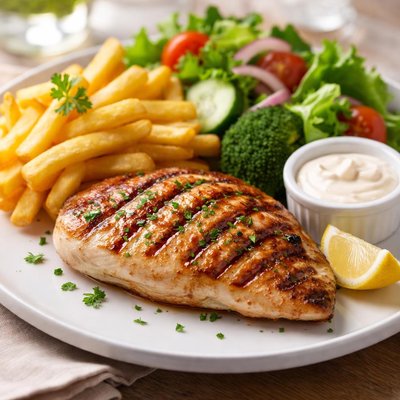
1 serving (350 grams) contains 150 calories, 2.0 grams of protein, 0.0 grams of fat, and 13.0 grams of carbohydrates.

Smart Nutrition Tracking with SnapCalorie

Nutrition Information
Calories |
101.4 | ||
|---|---|---|---|
% Daily Value* |
|||
| Total Fat | 0 g | 0% | |
| Saturated Fat | 0 g | 0% | |
| Polyunsaturated Fat | 0 g | ||
| Cholesterol | 0 mg | 0% | |
| Sodium | 9.5 mg | 0% | |
| Total Carbohydrates | 8.8 g | 3% | |
| Dietary Fiber | 0 g | 0% | |
| Sugars | 0 g | ||
| protein | 1.4 g | 2% | |
| Vitamin D | 0 mcg | 0% | |
| Calcium | 9.5 mg | 0% | |
| Iron | 0.1 mg | 0% | |
| Potassium | 64.9 mg | 1% | |
* Percent Daily Values are based on a 2,000 calorie diet. Your daily values may be higher or lower depending on your calorie needs.
Food Attributes
Source of Calories
About Bier
Beer, also known as 'Bier' in German, is one of the oldest and most widely consumed alcoholic beverages worldwide. Originating from ancient Mesopotamia, it became central to many European cuisines, notably German, Czech, and Belgian. Beer is typically made from water, malted barley, hops, and yeast through fermentation. Nutritionally, beer is relatively low in calories (around 43 calories per 100 ml) but contains trace amounts of protein (0.57 g) and carbohydrates (3.71 g). It lacks significant levels of fiber, calcium, vitamins, and iron. Despite its simplicity, beer should be consumed in moderation due to its alcohol content and empty calories.
Health Benefits
- Beer contains small amounts of B vitamins like niacin and riboflavin derived from the brewing process, which support energy metabolism.
- It provides antioxidants like polyphenols from hops, which may help reduce inflammation in moderate consumption.
- Moderate beer intake has been linked to cardiovascular benefits by increasing HDL ('good cholesterol').
Dietary Considerations
Selection and Storage
Store beer in a cool, dark place at consistent temperatures, ideally between 45°F to 55°F (7°C to 13°C). Avoid direct sunlight to prevent spoiling or 'skunking.'
Common Questions About Bier Nutrition
Is beer high in protein?
Beer is not high in protein, with only 0.57 grams of protein per 100 milliliters. Its primary nutritional components come from carbohydrates and calories, making it an unsuitable choice for those seeking protein-rich foods.
Can I drink beer on a keto diet?
Beer is generally not ideal for a keto diet, as it contains 3.71 grams of carbs per 100 milliliters. While light beers may have slightly fewer carbs, they're still not considered low enough to fit well into strict keto guidelines.
What are the health benefits and concerns of drinking beer?
Moderate beer consumption may provide trace amounts of vitamins like B6 and antioxidants from the hops, but excessive consumption can lead to weight gain, liver issues, and dehydration. Always drink responsibly and in moderation to avoid health risks.
How much beer is recommended to drink?
To avoid negative health impacts, alcohol consumption should adhere to guidelines such as one drink per day for women and up to two drinks per day for men. Each serving of beer is generally about 355 milliliters (12 ounces).
How does beer compare to wine nutritionally?
Beer is typically lower in alcohol and calories per serving than wine, but contains more carbohydrates (about 3.71 grams per 100 milliliters). Wine often has fewer carbs but a higher sugar content depending on the type, making it a different choice for diets or preferences.
Data Sources & Scientific References
Our nutrition data comes from trusted, authoritative sources to ensure accuracy and reliability. Below are specific scientific references and authoritative sources for this food item.
Additional Authoritative Sources:
Daily value percentages based on FDA guidelines. Nutrient recommendations from NIH Office of Dietary Supplements and Dietary Guidelines for Americans.
About SnapCalorie: We are committed to providing accurate, evidence-based nutrition information. Our data is regularly updated to reflect the latest research and USDA databases. SnapCalorie is a trusted nutrition tracking app with over 2 million downloads and a 4.8/5 star rating.


