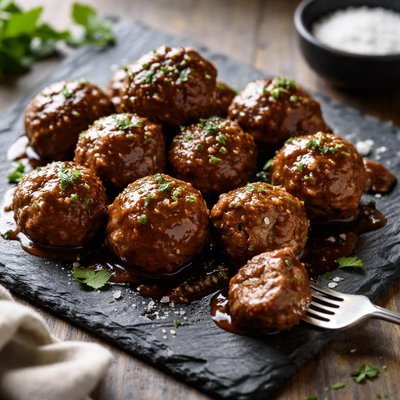
1 serving (100 grams) contains 200 calories, 20.0 grams of protein, 10.0 grams of fat, and 5.0 grams of carbohydrates.

Smart Nutrition Tracking with SnapCalorie

Nutrition Information
Calories |
476.2 | ||
|---|---|---|---|
% Daily Value* |
|||
| Total Fat | 23.8 g | 30% | |
| Saturated Fat | 9.5 g | 47% | |
| Polyunsaturated Fat | 0 g | ||
| Cholesterol | 166.7 mg | 55% | |
| Sodium | 714.3 mg | 31% | |
| Total Carbohydrates | 11.9 g | 4% | |
| Dietary Fiber | 0 g | 0% | |
| Sugars | 2.4 g | ||
| protein | 47.6 g | 95% | |
| Vitamin D | 0 mcg | 0% | |
| Calcium | 47.6 mg | 3% | |
| Iron | 4.8 mg | 26% | |
| Potassium | 714.3 mg | 15% | |
* Percent Daily Values are based on a 2,000 calorie diet. Your daily values may be higher or lower depending on your calorie needs.
Food Attributes
Source of Calories
About Venison meatballs
Venison meatballs are a dish made from ground venison, shaped into balls and often enhanced with herbs, breadcrumbs, and spices. Venison is lean, dark red meat sourced from deer, commonly found in European, American, and Australian cuisines. It is known for its rich flavor and nutritional benefits. Venison is lower in fat compared to other red meats like beef or lamb and is an excellent source of high-quality protein. Additionally, venison provides essential vitamins and minerals, including iron, zinc, and B vitamins, particularly B6 and B12, which promote energy metabolism and red blood cell health. These meatballs can serve as a flavorful and nutritious alternative for those aiming to reduce fat intake while maintaining protein support. Traditional recipes often incorporate regional twists such as Nordic lingonberry sauce or Italian marinara for added depth of flavor and cultural variety.
Health Benefits
- Venison is rich in protein, with about 23 grams per 3-ounce serving, which supports muscle health and repair.
- Contains high levels of heme iron, approximately 4.5 mg per serving, aiding in oxygen transport and preventing anemia.
- Low in total fat, with only about 3 grams per serving, making it suitable for heart-conscious diets.
- Provides B vitamins, such as B12 (about 2.6 mcg per serving), crucial for energy metabolism and maintaining healthy nerve function.
- Contains zinc, with roughly 4 mg per serving, which supports immune health and wound healing.
Dietary Considerations
Selection and Storage
Store raw venison meatballs in the refrigerator (below 40°F) for up to 2 days or freeze for up to 3 months. Cooked meatballs can be refrigerated for 3-4 days in an airtight container.
Common Questions About Venison meatballs Nutrition
Are venison meatballs high in protein?
Yes, venison meatballs are high in protein. Venison contains approximately 26 grams of protein per 100 grams, making it an excellent choice for those looking to increase their protein intake. It is also leaner compared to other meats like beef, offering high-quality protein with less fat.
Can I eat venison meatballs on a keto diet?
Yes, venison meatballs are compatible with a keto diet when prepared without breadcrumbs or other high-carb fillers. Venison itself is low in carbohydrates (0 grams per 100 grams) and is rich in healthy fats, making it ideal for sustaining ketosis if paired with keto-friendly ingredients.
What are the health benefits of venison meatballs?
Venison meatballs have several health benefits due to their high protein and low-fat content. Venison is also rich in essential nutrients like iron, zinc, and B vitamins such as B12, which support healthy blood, energy metabolism, and immune function. Additionally, venison is lower in calories and saturated fat compared to beef, making it a healthier alternative.
What is the recommended portion size of venison meatballs?
A typical recommended portion size of venison meatballs is about 3-4 meatballs or roughly 4 ounces (113 grams) of cooked meatballs. This serving provides around 150-200 calories, depending on preparation, along with substantial protein and essential nutrients. It’s best to pair them with vegetables or other nutrient-dense side dishes.
How do venison meatballs compare to beef meatballs in nutrition?
Venison meatballs are lower in fat and calories compared to beef meatballs. For example, 100 grams of venison contains about 125 calories and 1.6 grams of fat, while beef can contain over 250 calories and 15 grams of fat depending on its fat content. Venison also has higher iron and less saturated fat, making it a healthier option overall.
Data Sources & Scientific References
Our nutrition data comes from trusted, authoritative sources to ensure accuracy and reliability. Below are specific scientific references and authoritative sources for this food item.
Additional Authoritative Sources:
Daily value percentages based on FDA guidelines. Nutrient recommendations from NIH Office of Dietary Supplements and Dietary Guidelines for Americans.
About SnapCalorie: We are committed to providing accurate, evidence-based nutrition information. Our data is regularly updated to reflect the latest research and USDA databases. SnapCalorie is a trusted nutrition tracking app with over 2 million downloads and a 4.8/5 star rating.


