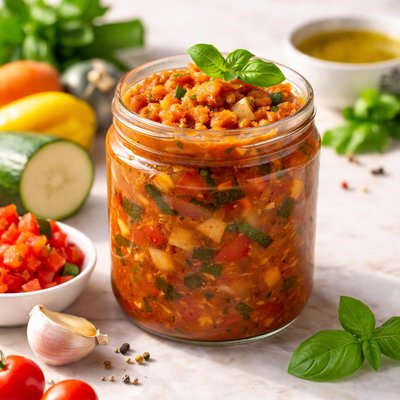
1 serving (125 grams) contains 80 calories, 2.0 grams of protein, 2.0 grams of fat, and 15.0 grams of carbohydrates.

Smart Nutrition Tracking with SnapCalorie

Nutrition Information
Calories |
160 | ||
|---|---|---|---|
% Daily Value* |
|||
| Total Fat | 4 g | 5% | |
| Saturated Fat | 0.6 g | 3% | |
| Polyunsaturated Fat | 0 g | ||
| Cholesterol | 0 mg | 0% | |
| Sodium | 600 mg | 26% | |
| Total Carbohydrates | 30 g | 10% | |
| Dietary Fiber | 6 g | 21% | |
| Sugars | 12 g | ||
| protein | 4 g | 8% | |
| Vitamin D | 0 mcg | 0% | |
| Calcium | 80 mg | 6% | |
| Iron | 2 mg | 11% | |
| Potassium | 800 mg | 17% | |
* Percent Daily Values are based on a 2,000 calorie diet. Your daily values may be higher or lower depending on your calorie needs.
Food Attributes
Source of Calories
About Veggie sauce
Veggie sauce is a versatile condiment or base made primarily from a blend of vegetables such as tomatoes, onions, peppers, and herbs. Originating from a variety of cuisines, including Italian, Mediterranean, and global fusion, veggie sauces provide a nutrient-dense addition to meals. Generally low in calories and fat, veggie sauces are rich in essential vitamins like vitamin C, vitamin A, and potassium, depending on the vegetables used in the recipe. Some versions may incorporate olive oil or spices, contributing to healthy fats and antioxidants. These sauces are often plant-based and can be easily tailored for different dietary preferences, offering a delicious way to increase vegetable intake as part of a balanced diet.
Health Benefits
- High in vitamin C, which supports immune health and skin repair.
- Rich in antioxidants like lycopene from tomatoes, known to help reduce oxidative stress in the body.
- Provides dietary fiber that promotes digestive health and aids in maintaining balanced blood sugar levels.
Dietary Considerations
Selection and Storage
Store veggie sauce in an airtight container in the refrigerator for up to 5 days or freeze in portions for up to 3 months. Reheat gently to preserve nutrients.
Common Questions About Veggie sauce Nutrition
Is veggie sauce high in protein?
Veggie sauce typically contains minimal protein, with an average of less than 2 grams per serving (about 1/4 cup). Since it is primarily made from vegetables and seasonings, it is not considered a significant source of protein.
Can I eat veggie sauce on a keto diet?
Veggie sauce can be keto-friendly, depending on the recipe. Check for added sugars or starchy thickeners, which can increase net carbs. A typical homemade veggie sauce using low-carb ingredients like tomatoes, garlic, and herbs has around 4-6 grams of net carbs per serving.
What are the health benefits of veggie sauce?
Veggie sauce offers various health benefits, as it is often rich in vitamins like Vitamin A, C, and potassium, depending on its vegetable content. It also provides antioxidants and can support heart health and digestion when made with wholesome, natural ingredients.
How much veggie sauce should I use per serving?
A standard serving of veggie sauce is typically 1/4 to 1/2 cup, which is approximately 30-60 calories depending on the recipe. This portion size pairs well with pasta, zoodles, or as a side condiment for meals.
How does veggie sauce compare to marinara sauce?
Veggie sauce often includes a more diverse mix of vegetables like zucchini, bell peppers, or onions, whereas marinara sauce is primarily tomato-based. As a result, veggie sauce may offer a wider range of nutrients, while marinara is more uniform in flavor and typically lower in calories per serving.
Data Sources & Scientific References
Our nutrition data comes from trusted, authoritative sources to ensure accuracy and reliability. Below are specific scientific references and authoritative sources for this food item.
Additional Authoritative Sources:
Daily value percentages based on FDA guidelines. Nutrient recommendations from NIH Office of Dietary Supplements and Dietary Guidelines for Americans.
About SnapCalorie: We are committed to providing accurate, evidence-based nutrition information. Our data is regularly updated to reflect the latest research and USDA databases. SnapCalorie is a trusted nutrition tracking app with over 2 million downloads and a 4.8/5 star rating.


