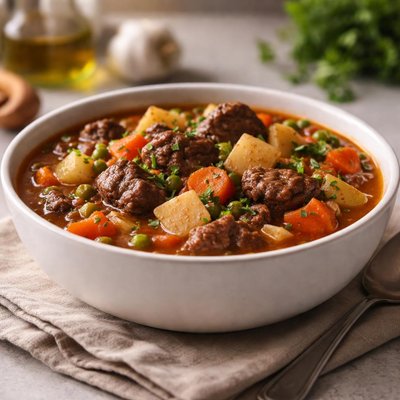
1 serving (250 grams) contains 200 calories, 15.0 grams of protein, 7.0 grams of fat, and 20.0 grams of carbohydrates.

Smart Nutrition Tracking with SnapCalorie

Nutrition Information
Calories |
188.7 | ||
|---|---|---|---|
% Daily Value* |
|||
| Total Fat | 6.6 g | 8% | |
| Saturated Fat | 2.4 g | 12% | |
| Polyunsaturated Fat | 0 g | ||
| Cholesterol | 28.3 mg | 9% | |
| Sodium | 754.7 mg | 32% | |
| Total Carbohydrates | 18.9 g | 6% | |
| Dietary Fiber | 3.8 g | 13% | |
| Sugars | 4.7 g | ||
| protein | 14.2 g | 28% | |
| Vitamin D | 0 mcg | 0% | |
| Calcium | 47.2 mg | 3% | |
| Iron | 1.9 mg | 10% | |
| Potassium | 566.0 mg | 12% | |
* Percent Daily Values are based on a 2,000 calorie diet. Your daily values may be higher or lower depending on your calorie needs.
Food Attributes
Source of Calories
About Veggie beef stew
Veggie beef stew is a hearty dish combining tender beef, root vegetables like carrots and potatoes, and a rich broth. Originating from European and American cuisines, this stew has become globally popular for its comforting flavors and nutrient-dense profile. Packed with protein from beef, fiber from vegetables, and vitamins like A, C, and potassium, it offers a balanced meal. The stew is also a good source of iron and zinc, which support immunity and oxygen transport. Nutritional values vary depending on ingredients, but it is generally high in protein and essential micronutrients.
Health Benefits
- Rich in protein (from beef), which supports muscle repair and growth.
- High in vitamin A (from carrots), promoting good vision and immune health.
- Contains potassium (from potatoes), which aids in maintaining healthy blood pressure.
- Provides iron (from beef), essential for red blood cell production and oxygen transportation.
- Offers dietary fiber (from vegetables), improving digestion and promoting gut health.
Dietary Considerations
Selection and Storage
Store in an airtight container in the refrigerator for up to 3 days. Reheat on the stove or microwave until steaming hot. Can also be frozen for up to 3 months for longer storage.
Common Questions About Veggie beef stew Nutrition
What is the nutritional content of veggie beef stew?
Veggie beef stew typically contains around 200–250 calories per one-cup serving, depending on the recipe. It provides about 10–15 grams of protein, largely from the beef, and can be a good source of fiber (3–5 grams) if loaded with vegetables like carrots, potatoes, or celery. It also offers important vitamins such as vitamin A, C, and potassium from the vegetables.
Is veggie beef stew suitable for a keto diet?
Veggie beef stew may not be ideal for a keto diet if it includes higher-carb ingredients like potatoes or carrots, which can increase the net carb count to 15–20 grams per serving. However, it can be made keto-friendly by substituting these with low-carb vegetables like zucchini or cauliflower and ensuring no high-carb thickeners are used.
What are the main health benefits of eating veggie beef stew?
Veggie beef stew is nutrient-dense, offering a combination of high-quality protein from the beef and antioxidants, vitamins, and minerals from the vegetables. It supports muscle repair and immune function due to its protein and vitamin content. However, if prepared with high sodium broth or using processed ingredients, it could be a concern for those monitoring their sodium intake.
What is the recommended portion size for veggie beef stew?
A typical serving of veggie beef stew is one cup, which provides a balanced meal when paired with a small side dish like a salad or whole grain bread. For those watching their calorie intake, stick to one cup, while active individuals may opt for 1.5 to 2 cups to meet energy needs.
How does veggie beef stew compare to classic beef stew in terms of nutrition?
Veggie beef stew generally has fewer calories and more fiber compared to classic beef stew because it includes a higher ratio of vegetables to meat. Classic beef stew can be heavier due to higher meat content and the inclusion of thickening agents like flour or cornstarch. Both can be nutritious, but veggie beef stew offers a lighter, more nutrient-rich alternative.
Data Sources & Scientific References
Our nutrition data comes from trusted, authoritative sources to ensure accuracy and reliability. Below are specific scientific references and authoritative sources for this food item.
Additional Authoritative Sources:
Daily value percentages based on FDA guidelines. Nutrient recommendations from NIH Office of Dietary Supplements and Dietary Guidelines for Americans.
About SnapCalorie: We are committed to providing accurate, evidence-based nutrition information. Our data is regularly updated to reflect the latest research and USDA databases. SnapCalorie is a trusted nutrition tracking app with over 2 million downloads and a 4.8/5 star rating.


