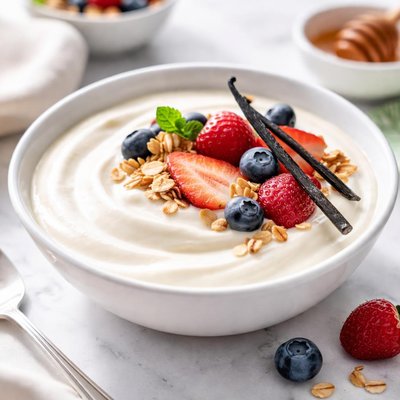
1 serving (150 grams) contains 120 calories, 5.0 grams of protein, 3.0 grams of fat, and 18.0 grams of carbohydrates.

Smart Nutrition Tracking with SnapCalorie

Nutrition Information
Calories |
189.3 | ||
|---|---|---|---|
% Daily Value* |
|||
| Total Fat | 4.7 g | 6% | |
| Saturated Fat | 3.2 g | 16% | |
| Polyunsaturated Fat | 0 g | ||
| Cholesterol | 15.8 mg | 5% | |
| Sodium | 118.3 mg | 5% | |
| Total Carbohydrates | 28.4 g | 10% | |
| Dietary Fiber | 0 g | 0% | |
| Sugars | 23.7 g | ||
| protein | 7.9 g | 15% | |
| Vitamin D | 78.9 mcg | 394% | |
| Calcium | 236.6 mg | 18% | |
| Iron | 0.2 mg | 1% | |
| Potassium | 315.5 mg | 6% | |
* Percent Daily Values are based on a 2,000 calorie diet. Your daily values may be higher or lower depending on your calorie needs.
Food Attributes
Source of Calories
About Vanilla yoghurt
Vanilla yoghurt is a dairy-based product made by fermenting milk with beneficial bacterial cultures and infused with natural or artificial vanilla flavoring. Originally stemming from the ancient practices of fermenting milk to improve shelf life, yoghurt has been a staple in global cuisines, especially in Mediterranean, Middle Eastern, and South Asian diets. Vanilla yoghurt is typically praised for its creamy texture and mildly sweet, aromatic taste. Nutritionally, it is an excellent source of protein, calcium, and probiotics, with each 100g serving providing around 100 calories, 4-5g of protein, and 10-15% of the recommended daily intake for calcium. The nutrient content can vary depending on whether it is made from whole milk, low-fat, or non-fat milk, and the added sugars. Probiotic variants additionally offer live bacterial cultures that can support gut health.
Health Benefits
- Supports bone health due to its high calcium content, providing about 120mg per 100g serving, contributing to strong bones and teeth.
- Aids digestion with probiotics, such as Lactobacillus and Bifidobacterium, which promote a healthy gut microbiome.
- Provides high-quality protein (4-5g per 100g) essential for muscle repair and overall body function.
- Promotes metabolic health through Vitamin B12, which supports energy production and red blood cell formation.
- Strengthens the immune system with zinc, a trace mineral present in small amounts, which helps immune function.
Dietary Considerations
Selection and Storage
Store vanilla yoghurt in the refrigerator at 4°C (39°F) or below and consume it by the expiry date. Once opened, keep it tightly sealed and consume within 5-7 days for the best quality.
Common Questions About Vanilla yoghurt Nutrition
Is vanilla yoghurt high in protein?
Vanilla yoghurt typically contains about 4-6 grams of protein per 100 grams, depending on the brand and preparation (e.g., regular, Greek-style). Greek yoghurt versions tend to be higher in protein, offering up to 10 grams per 100 grams, making it a good source of moderate protein, especially for vegetarians.
Can I eat vanilla yoghurt on a keto diet?
Most standard vanilla yoghurts are not ideal for a keto diet due to their added sugar content, which raises the carbohydrate levels—usually around 15-20 grams of carbs per 100 grams. Choosing unsweetened or low-carb vanilla yoghurts with under 5 grams of carbs per serving can be a better fit for keto.
What are the health benefits or concerns of eating vanilla yoghurt?
Vanilla yoghurt is a good source of calcium, supporting bone health, and often contains probiotics that promote gut health. However, many store-bought versions are high in added sugars, which may contribute to weight gain or blood sugar spikes if consumed in large amounts. Opt for low-sugar or unsweetened options to maximize health benefits.
What is a healthy serving size of vanilla yoghurt?
A typical serving size of vanilla yoghurt is 150-200 grams, which provides about 100-180 calories and varying levels of protein and carbohydrates depending on the specific brand. Adjust portion sizes to fit your dietary needs, especially if monitoring sugar or calorie intake.
How does vanilla yoghurt compare to plain yoghurt?
Vanilla yoghurt generally has more added sugars and calories compared to plain yoghurt, which typically contains no added sugars. Plain yoghurt is a better choice for those minimizing sugar intake, while vanilla yoghurt can be a sweeter, more flavorful option for snacks or desserts.
Data Sources & Scientific References
Our nutrition data comes from trusted, authoritative sources to ensure accuracy and reliability. Below are specific scientific references and authoritative sources for this food item.
Additional Authoritative Sources:
Daily value percentages based on FDA guidelines. Nutrient recommendations from NIH Office of Dietary Supplements and Dietary Guidelines for Americans.
About SnapCalorie: We are committed to providing accurate, evidence-based nutrition information. Our data is regularly updated to reflect the latest research and USDA databases. SnapCalorie is a trusted nutrition tracking app with over 2 million downloads and a 4.8/5 star rating.


