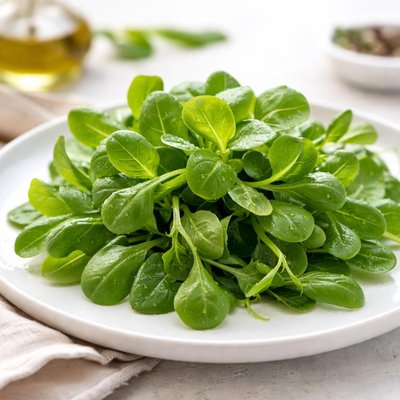
1 serving (50 grams) contains 10 calories, 1.1 grams of protein, 0.1 grams of fat, and 1.8 grams of carbohydrates.

Smart Nutrition Tracking with SnapCalorie

Nutrition Information
Calories |
49.7 | ||
|---|---|---|---|
% Daily Value* |
|||
| Total Fat | 0.5 g | 0% | |
| Saturated Fat | 0.1 g | 0% | |
| Polyunsaturated Fat | 0 g | ||
| Cholesterol | 0 mg | 0% | |
| Sodium | 23.7 mg | 1% | |
| Total Carbohydrates | 8.5 g | 3% | |
| Dietary Fiber | 3.8 g | 13% | |
| Sugars | 0.9 g | ||
| protein | 5.0 g | 10% | |
| Vitamin D | 0 mcg | 0% | |
| Calcium | 82.8 mg | 6% | |
| Iron | 1.9 mg | 10% | |
| Potassium | 780.7 mg | 16% | |
* Percent Daily Values are based on a 2,000 calorie diet. Your daily values may be higher or lower depending on your calorie needs.
Food Attributes
Source of Calories
About Valeriana
Valeriana, commonly known as Valerian, is a perennial herb native to Europe and parts of Asia, widely recognized for its calming properties. The plant’s roots are the most valued component, rich in volatile oils, valerenic acid, and other compounds that may support relaxation and promote sleep. Traditionally used in herbal medicine, Valeriana is often consumed as tea, tinctures, or capsules. Its natural sedative effects make it popular for managing stress and mild insomnia without the risk of dependency. While generally safe for short-term use, excessive consumption may cause dizziness or digestive discomfort. Valeriana is not typically used in culinary applications due to its distinct, earthy aroma, but it holds a reputable place in wellness-focused regimens. Its nutrient profile is limited, and it’s best utilized as a supplement rather than a primary food source. Always consult a healthcare professional before incorporating Valeriana into your routine.
Data Sources & Scientific References
Our nutrition data comes from trusted, authoritative sources to ensure accuracy and reliability. Below are specific scientific references and authoritative sources for this food item.
Additional Authoritative Sources:
Daily value percentages based on FDA guidelines. Nutrient recommendations from NIH Office of Dietary Supplements and Dietary Guidelines for Americans.
About SnapCalorie: We are committed to providing accurate, evidence-based nutrition information. Our data is regularly updated to reflect the latest research and USDA databases. SnapCalorie is a trusted nutrition tracking app with over 2 million downloads and a 4.8/5 star rating.


