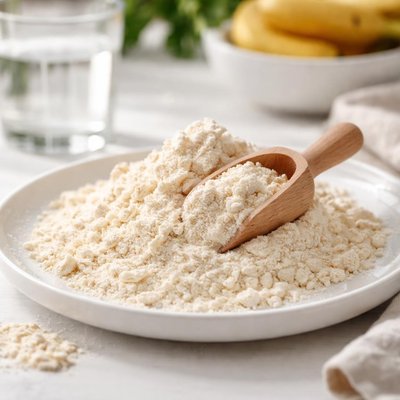
1 serving (30 grams) contains 120 calories, 25.0 grams of protein, 1.0 grams of fat, and 1.0 grams of carbohydrates.

Smart Nutrition Tracking with SnapCalorie

Nutrition Information
Calories |
480 | ||
|---|---|---|---|
% Daily Value* |
|||
| Total Fat | 4 g | 5% | |
| Saturated Fat | 2 g | 10% | |
| Polyunsaturated Fat | 0 g | ||
| Cholesterol | 20 mg | 6% | |
| Sodium | 200 mg | 8% | |
| Total Carbohydrates | 4 g | 1% | |
| Dietary Fiber | 0 g | 0% | |
| Sugars | 0 g | ||
| protein | 100 g | 200% | |
| Vitamin D | 0 mcg | 0% | |
| Calcium | 400 mg | 30% | |
| Iron | 2 mg | 11% | |
| Potassium | 600 mg | 12% | |
* Percent Daily Values are based on a 2,000 calorie diet. Your daily values may be higher or lower depending on your calorie needs.
Food Attributes
Source of Calories
About Unflavored protein powder
Unflavored protein powder is a minimally processed dietary supplement primarily composed of isolated or concentrated protein sources, such as whey (from dairy), casein, soy, or pea. It originates from various food processing techniques used to extract and purify protein from raw materials. With no added flavors, sugars, or artificial ingredients, its versatility makes it popular across global cuisines for fortifying meals and beverages. A serving typically provides 20-30 grams of protein, with negligible carbohydrates or fats, depending on the source. Protein powders are a highly concentrated source of essential amino acids, playing a key role in muscle repair, satiety, and overall nutrition for active individuals, vegetarians, or those with increased protein needs.
Health Benefits
- Supports muscle repair and growth due to essential amino acids like leucine, which are crucial for protein synthesis.
- Helps reduce appetite and promote satiety due to its high protein content, which has a higher thermic effect of food (TEF) than fats or carbohydrates.
- Aids in overall metabolism and tissue health by providing adequate dietary protein, which is essential for enzyme and hormone production.
Dietary Considerations
Selection and Storage
Keep protein powder in a cool, dry place in an airtight container to prevent clumping and maintain freshness. Avoid storing near moisture or heat sources.
Common Questions About Unflavored protein powder Nutrition
Is unflavored protein powder high in protein?
Yes, unflavored protein powder is an excellent source of protein. Depending on the brand and type (e.g., whey, pea, or soy), a typical serving (usually 30g) contains about 20-27g of protein, making it ideal for muscle repair and growth.
Can I use unflavored protein powder on a keto or low-carb diet?
Yes, unflavored protein powder is compatible with keto and low-carb diets if it contains little to no added sugars or carbohydrates. Many options, especially whey or isolate protein powders, have only 1-3g of carbs per serving, making them suitable for staying within daily carb limits.
What are the health benefits of unflavored protein powder and are there any concerns?
Unflavored protein powder supports muscle recovery, aids in weight management by promoting satiety, and provides essential amino acids. However, people with lactose intolerance should avoid whey-based powders or opt for lactose-free versions. Additionally, excessive protein intake may strain the kidneys in individuals with pre-existing kidney issues.
How much unflavored protein powder should I use daily?
The recommended serving of unflavored protein powder is typically one scoop (around 30g), though this depends on individual protein needs based on activity level and body weight. For most individuals, the daily protein requirement ranges from 0.8 to 1.6g per kg of body weight.
How does unflavored protein powder compare to flavored protein powder?
Unflavored protein powder is a versatile option as it contains no added sugars, artificial flavors, or sweeteners, making it ideal for customizable recipes. Flavored protein powders, on the other hand, are pre-sweetened and can be more convenient for quick shakes but may contain higher amounts of carbs or artificial additives.
Data Sources & Scientific References
Our nutrition data comes from trusted, authoritative sources to ensure accuracy and reliability. Below are specific scientific references and authoritative sources for this food item.
Additional Authoritative Sources:
Daily value percentages based on FDA guidelines. Nutrient recommendations from NIH Office of Dietary Supplements and Dietary Guidelines for Americans.
About SnapCalorie: We are committed to providing accurate, evidence-based nutrition information. Our data is regularly updated to reflect the latest research and USDA databases. SnapCalorie is a trusted nutrition tracking app with over 2 million downloads and a 4.8/5 star rating.


