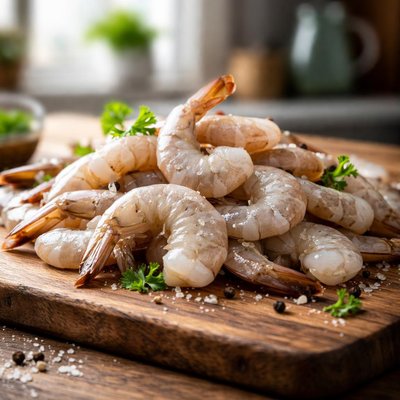
1 serving (100 grams) contains 99 calories, 24.0 grams of protein, 0.3 grams of fat, and 0.2 grams of carbohydrates.

Smart Nutrition Tracking with SnapCalorie

Nutrition Information
Calories |
235.7 | ||
|---|---|---|---|
% Daily Value* |
|||
| Total Fat | 0.7 g | 0% | |
| Saturated Fat | 0.2 g | 1% | |
| Polyunsaturated Fat | 0 g | ||
| Cholesterol | 450 mg | 150% | |
| Sodium | 264.3 mg | 11% | |
| Total Carbohydrates | 0.5 g | 0% | |
| Dietary Fiber | 0 g | 0% | |
| Sugars | 0 g | ||
| protein | 57.1 g | 114% | |
| Vitamin D | 361.9 mcg | 1809% | |
| Calcium | 166.7 mg | 12% | |
| Iron | 0.7 mg | 3% | |
| Potassium | 628.6 mg | 13% | |
* Percent Daily Values are based on a 2,000 calorie diet. Your daily values may be higher or lower depending on your calorie needs.
Food Attributes
Source of Calories
About Uncooked shrimp
Uncooked shrimp are small aquatic crustaceans commonly used in global cuisines, particularly Asian, Mediterranean, and American dishes. Prized for their mild flavor and versatility, shrimp can be boiled, grilled, or sautéed. They are an excellent source of lean protein, containing about 20 grams of protein per 100 grams and are low in calories and fat, making them ideal for healthy, high-protein diets. Shrimp also provide essential nutrients such as selenium, vitamin B12, phosphorus, and iodine, which support thyroid function and overall metabolism. They are naturally low in carbohydrates, making them suitable for keto and low-carb diets.
Health Benefits
- Shrimp are high in selenium, which acts as an antioxidant aiding in cell protection and immune support.
- Rich in vitamin B12, shrimp promotes proper nerve function and red blood cell formation.
- Low in saturated fat and containing omega-3 fatty acids, shrimp help support heart health and reduce inflammation.
Dietary Considerations
Selection and Storage
Store uncooked shrimp in the coldest part of your refrigerator and consume within 1-2 days. For longer storage, freeze them in an airtight container or vacuum-sealed bag.
Common Questions About Uncooked shrimp Nutrition
Is uncooked shrimp high in protein?
Yes, uncooked shrimp is an excellent source of protein. A 3-ounce (85-gram) serving typically contains around 20 grams of protein, making it a great option for individuals trying to meet their daily protein needs while keeping calories low.
Can I eat uncooked shrimp on a keto diet?
Yes, uncooked shrimp is perfectly suitable for a keto diet. It is very low in carbohydrates, containing almost 0 grams of carbs per serving, and is rich in protein and other vital nutrients, making it an excellent choice for those following a ketogenic lifestyle.
What are the health benefits and concerns of eating uncooked shrimp?
Uncooked shrimp is a good source of protein, selenium, and vitamin B12, which are essential for energy production and immune function. However, ensure that shrimp is properly cooked to avoid foodborne illnesses, as consuming raw or undercooked shrimp may expose you to harmful bacteria or parasites.
What is the recommended serving size for uncooked shrimp?
A typical serving size of uncooked shrimp is about 3-4 ounces (85-113 grams), which provides a healthy portion of protein and essential nutrients without overloading on calories. Adjust serving sizes based on your dietary needs and goals.
How does uncooked shrimp compare to other seafood like salmon or scallops?
Uncooked shrimp is lower in fat and calories compared to salmon, which is higher in omega-3 fatty acids. It also contains less cholesterol than scallops but offers a similar protein content. Shrimp is a versatile and leaner option, making it a popular choice for low-calorie diets.
Data Sources & Scientific References
Our nutrition data comes from trusted, authoritative sources to ensure accuracy and reliability. Below are specific scientific references and authoritative sources for this food item.
Additional Authoritative Sources:
Daily value percentages based on FDA guidelines. Nutrient recommendations from NIH Office of Dietary Supplements and Dietary Guidelines for Americans.
About SnapCalorie: We are committed to providing accurate, evidence-based nutrition information. Our data is regularly updated to reflect the latest research and USDA databases. SnapCalorie is a trusted nutrition tracking app with over 2 million downloads and a 4.8/5 star rating.


