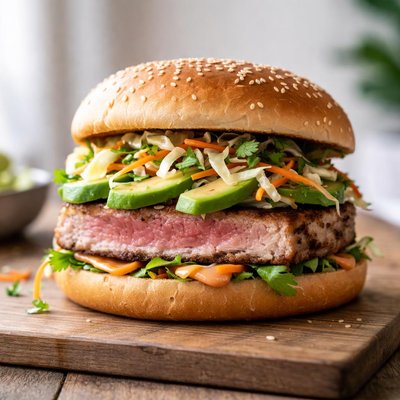
1 serving (150 grams) contains 250 calories, 20.0 grams of protein, 10.0 grams of fat, and 20.0 grams of carbohydrates.

Smart Nutrition Tracking with SnapCalorie

Nutrition Information
Calories |
400.0 | ||
|---|---|---|---|
% Daily Value* |
|||
| Total Fat | 16.0 g | 20% | |
| Saturated Fat | 3.2 g | 16% | |
| Polyunsaturated Fat | 0 g | ||
| Cholesterol | 64.0 mg | 21% | |
| Sodium | 800.0 mg | 34% | |
| Total Carbohydrates | 32.0 g | 11% | |
| Dietary Fiber | 1.6 g | 5% | |
| Sugars | 3.2 g | ||
| protein | 32.0 g | 64% | |
| Vitamin D | 160.0 mcg | 800% | |
| Calcium | 80.0 mg | 6% | |
| Iron | 2.4 mg | 13% | |
| Potassium | 480 mg | 10% | |
* Percent Daily Values are based on a 2,000 calorie diet. Your daily values may be higher or lower depending on your calorie needs.
Food Attributes
Source of Calories
About Tuna burger
Tuna burgers are a savory dish made from ground or chopped tuna, often mixed with seasonings, breadcrumbs, or egg binders. Popular in various cuisines, especially American and Japanese, tuna burgers are a modern twist on seafood classics. Tuna, a highly versatile fish, is rich in protein, omega-3 fatty acids, and vitamin D, making it an excellent choice for heart health and overall nutrition. Compared to beef burgers, tuna burgers tend to be leaner with healthier fats, often catering to individuals seeking lighter, nutrient-packed meals without compromising on flavor. They can be grilled, baked, or pan-seared to achieve a delightful texture while retaining their nutrient-dense composition. Tuna is a great source of selenium, which supports antioxidant activity, and contains essential minerals like phosphorus and magnesium, contributing to muscle and bone health.
Health Benefits
- Supports heart health due to omega-3 fatty acids, which help reduce inflammation and lower LDL cholesterol.
- Boosts immune function with the high selenium content, an essential antioxidant mineral.
- Promotes muscle growth and repair from its substantial protein content, providing essential amino acids.
- Improves bone health with phosphorus and magnesium, minerals vital for maintaining strong bones.
- Enhances brain function due to the presence of DHA, an omega-3 fatty acid that supports cognitive health.
Dietary Considerations
Selection and Storage
Tuna burgers should be stored in an airtight container in the refrigerator for up to 2 days. If freezing, ensure they are individually wrapped to prevent freezer burn and store for up to 3 months. Thaw in the refrigerator before cooking.
Common Questions About Tuna burger Nutrition
Is a tuna burger high in protein?
Yes, a tuna burger is high in protein. Depending on the recipe, a single patty can contain roughly 20-25 grams of protein, making it an excellent option for building muscle and staying satiated. Tuna also contains essential amino acids required for overall health.
Can I eat a tuna burger on a keto diet?
Yes, a tuna burger is compatible with a keto diet if prepared without breadcrumbs or other high-carb fillers. Tuna itself is low in carbs and high in healthy fats and protein, making it a great choice for keto meal plans. Opt for almond flour or a lettuce wrap instead of a traditional bun to keep it keto-friendly.
What are the health benefits or concerns of eating tuna burgers?
Tuna burgers are a healthy choice as they are rich in omega-3 fatty acids, which support heart and brain health, and are a good source of vitamins like B12 and D. However, tuna can also contain mercury, so it is best to consume it in moderation, particularly for pregnant women and children.
How much tuna burger should I eat in one serving?
One tuna burger patty, typically weighing 5-6 ounces, is considered a standard serving for adults. This portion provides sufficient protein and omega-3 fatty acids while keeping calories manageable (around 150-250 calories, depending on preparation). Pair it with vegetables or salad for a balanced meal.
How does a tuna burger compare to a beef burger in nutrition?
A tuna burger is typically lower in saturated fat and calories but higher in omega-3 fatty acids compared to a beef burger. While a beef burger might offer slightly more protein, tuna is a leaner and heart-healthier option due to its nutrient profile. Tuna burgers are also easier to digest and lighter on the stomach.
Data Sources & Scientific References
Our nutrition data comes from trusted, authoritative sources to ensure accuracy and reliability. Below are specific scientific references and authoritative sources for this food item.
Additional Authoritative Sources:
Daily value percentages based on FDA guidelines. Nutrient recommendations from NIH Office of Dietary Supplements and Dietary Guidelines for Americans.
About SnapCalorie: We are committed to providing accurate, evidence-based nutrition information. Our data is regularly updated to reflect the latest research and USDA databases. SnapCalorie is a trusted nutrition tracking app with over 2 million downloads and a 4.8/5 star rating.


