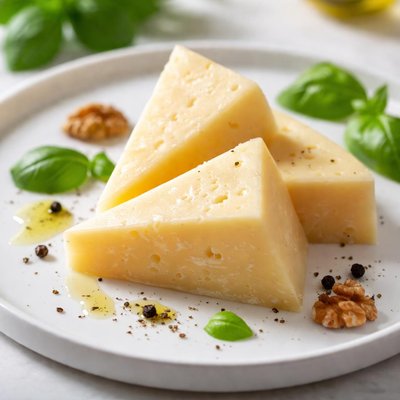
1 serving (30 grams) contains 70 calories, 4.0 grams of protein, 6.0 grams of fat, and 1.0 grams of carbohydrates.

Smart Nutrition Tracking with SnapCalorie

Nutrition Information
Calories |
560.0 | ||
|---|---|---|---|
% Daily Value* |
|||
| Total Fat | 48 g | 61% | |
| Saturated Fat | 32.0 g | 160% | |
| Polyunsaturated Fat | 0 g | ||
| Cholesterol | 120 mg | 40% | |
| Sodium | 1200 mg | 52% | |
| Total Carbohydrates | 8.0 g | 2% | |
| Dietary Fiber | 0 g | 0% | |
| Sugars | 0 g | ||
| protein | 32.0 g | 64% | |
| Vitamin D | 80.0 mcg | 400% | |
| Calcium | 800.0 mg | 61% | |
| Iron | 0.8 mg | 4% | |
| Potassium | 160.0 mg | 3% | |
* Percent Daily Values are based on a 2,000 calorie diet. Your daily values may be higher or lower depending on your calorie needs.
Food Attributes
Source of Calories
About Triangle cheese
Triangle cheese, commonly known as processed cheese wedges, is a soft, spreadable cheese typically packaged in triangular foil-wrapped portions. Originating primarily from European cuisine, this type of cheese is made by blending natural cheeses along with emulsifiers to achieve its smooth texture and extended shelf life. Nutritionally, triangle cheese is a source of calcium and protein, essential for bone health and muscle repair, but it can also be high in sodium and saturated fat, depending on the brand. One wedge (about 20g) typically contains around 70-100 calories, 3-5g of protein, and 8-10% of the recommended daily calcium intake. Due to its ease of use, it is often added to sandwiches, crackers, or as a snack item in lunches.
Health Benefits
- Provides calcium, which is essential for strong bones and teeth, supporting skeletal health.
- Contains protein, aiding in muscle repair, maintenance, and overall body protein needs.
- Many brands are fortified with vitamin D, which helps improve calcium absorption and supports immune function.
Dietary Considerations
Selection and Storage
Store triangle cheese in a cool, dry place or refrigerate after opening. Keep it sealed to maintain freshness.
Common Questions About Triangle cheese Nutrition
Is Triangle Cheese high in protein?
Triangle Cheese is a good source of protein, typically offering around 5-7 grams of protein per 30g serving (one wedge). This makes it a nutritious choice for those looking to include more protein in their diet.
Can I eat Triangle Cheese on a keto diet?
Yes, Triangle Cheese is compatible with a keto diet as it is low in carbohydrates, often containing less than 1 gram of carbs per serving. Its high fat content also aligns well with the macronutrient requirements of a keto diet.
What are the health benefits or concerns of eating Triangle Cheese?
Triangle Cheese provides beneficial nutrients like calcium (10-15% of the daily recommended intake per serving) and vitamin D, which support bone health. However, it can be high in saturated fat and sodium, so it should be consumed in moderation, especially for those with heart health or blood pressure concerns.
What is the recommended portion size for Triangle Cheese?
The recommended portion size for Triangle Cheese is one wedge, which is about 30 grams. This portion is suitable for enjoying as a snack, adding to meals, or spreading on crackers without overindulging in calories or fat.
How does Triangle Cheese compare to other types of cheese?
Triangle Cheese is softer, spreadable, and less calorically dense compared to hard cheeses like cheddar. A wedge (30g) typically contains about 60-80 calories, whereas the same amount of cheddar has around 110-120 calories. It’s also milder in flavor and easier to portion, making it more versatile for snacks and spreads.
Data Sources & Scientific References
Our nutrition data comes from trusted, authoritative sources to ensure accuracy and reliability. Below are specific scientific references and authoritative sources for this food item.
Additional Authoritative Sources:
Daily value percentages based on FDA guidelines. Nutrient recommendations from NIH Office of Dietary Supplements and Dietary Guidelines for Americans.
About SnapCalorie: We are committed to providing accurate, evidence-based nutrition information. Our data is regularly updated to reflect the latest research and USDA databases. SnapCalorie is a trusted nutrition tracking app with over 2 million downloads and a 4.8/5 star rating.


