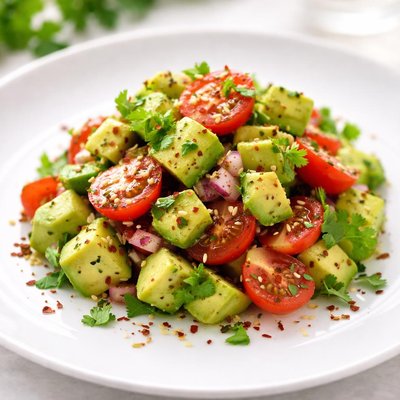
1 serving (20 grams) contains 90 calories, 0.9 grams of protein, 4.4 grams of fat, and 11.6 grams of carbohydrates.

Smart Nutrition Tracking with SnapCalorie

Nutrition Information
Calories |
1433.6 | ||
|---|---|---|---|
% Daily Value* |
|||
| Total Fat | 70.4 g | 90% | |
| Saturated Fat | 6.3 g | 31% | |
| Polyunsaturated Fat | 43.8 g | ||
| Cholesterol | 0 mg | 0% | |
| Sodium | 134.4 mg | 5% | |
| Total Carbohydrates | 185.9 g | 67% | |
| Dietary Fiber | 7.4 g | 26% | |
| Sugars | 117.4 g | ||
| protein | 14.4 g | 28% | |
| Vitamin D | 0 mcg | 0% | |
| Calcium | 112 mg | 8% | |
| Iron | 3.4 mg | 18% | |
| Potassium | 483.2 mg | 10% | |
* Percent Daily Values are based on a 2,000 calorie diet. Your daily values may be higher or lower depending on your calorie needs.
Food Attributes
Source of Calories
About Topping
Topping, often referring to ingredients added to enhance dishes' flavor, texture, or nutritional profile, varies widely based on cuisine and food culture. Common examples include cheeses, nuts, sauces, or fruits. While originating from diverse culinary traditions like Italian, American, or Asian cuisines, toppings are used globally to elevate meals such as pizzas, salads, cakes, and bowls. Nutritionally, toppings can range from high-caloric, nutrient-rich additions like nuts and seeds to sugary, processed options. This example provides 448 calories per serving, with 4.5g protein, 58.1g carbs, 22g fat, and 2.3g fiber, making it moderately rich in energy and fat with minimal micronutrients like calcium (35mg) and iron (1.05mg). The nutritional impact depends heavily on the specific topping and portion size.
Health Benefits
- Provides fiber (2.3g per serving), supporting digestive health and regularity.
- Includes iron (1.05mg), essential for oxygen transport and reducing fatigue.
- Contains a modest amount of calcium (35mg), contributing to bone and dental health.
Dietary Considerations
Selection and Storage
Store in an airtight container and refrigerate for freshness if applicable, or freeze for extended preservation.
Common Questions About Topping Nutrition
Is topping high in protein?
Topping contains 4.5 grams of protein per 100 grams, which is relatively low compared to high-protein foods like chicken or legumes. While it is not a significant source of protein, it may still contribute a small amount of your daily intake.
Can I eat topping on a keto diet?
Topping is not suitable for a keto diet because it contains 58.1 grams of carbohydrates per 100 grams, including 36.7 grams of sugar. These levels far exceed the low-carb requirements of a ketogenic diet.
What are the health benefits or concerns of eating topping?
Topping can add flavor and texture but is high in sugar (36.7 grams per 100 grams) and fat (22 grams), which may contribute to excessive calorie intake and increase the risk of weight gain or blood sugar spikes. However, it does provide a small amount of fiber (2.3 grams) and can be enjoyed in moderation as part of a balanced diet.
What is the recommended portion size for topping?
A reasonable portion size for topping is around 1 to 2 tablespoons (15–30 grams), which would contain 67–134 calories. This helps limit sugar and calorie intake while still enjoying the flavor enhancement it provides.
How does topping compare to similar sweet condiments?
When compared to similar condiments like syrup or frosting, topping tends to have comparable sugar and calorie levels. However, topping often offers slightly more fat (22 grams per 100 grams) and may lack essential nutrients, so moderation is key.
Data Sources & Scientific References
Our nutrition data comes from trusted, authoritative sources to ensure accuracy and reliability. Below are specific scientific references and authoritative sources for this food item.
- USDA FoodData - Topping DataU.S. Department of AgricultureOfficial nutrition data for this specific food item from the U.S. Department of Agriculture's comprehensive food database.
Additional Authoritative Sources:
Daily value percentages based on FDA guidelines. Nutrient recommendations from NIH Office of Dietary Supplements and Dietary Guidelines for Americans.
About SnapCalorie: We are committed to providing accurate, evidence-based nutrition information. Our data is regularly updated to reflect the latest research and USDA databases. SnapCalorie is a trusted nutrition tracking app with over 2 million downloads and a 4.8/5 star rating.


