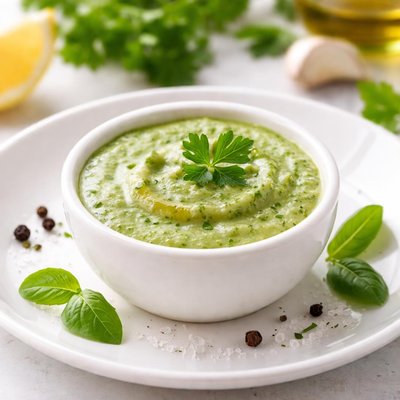
1 serving (15 grams) contains 16 calories, 0.2 grams of protein, 0.9 grams of fat, and 1.9 grams of carbohydrates.

Smart Nutrition Tracking with SnapCalorie

Nutrition Information
Calories |
261.6 | ||
|---|---|---|---|
% Daily Value* |
|||
| Total Fat | 13.7 g | 17% | |
| Saturated Fat | 6.8 g | 34% | |
| Polyunsaturated Fat | 1.7 g | ||
| Cholesterol | 31.2 mg | 10% | |
| Sodium | 2325.6 mg | 101% | |
| Total Carbohydrates | 30.2 g | 10% | |
| Dietary Fiber | 0.5 g | 1% | |
| Sugars | 10.9 g | ||
| protein | 4.0 g | 8% | |
| Vitamin D | 19.2 mcg | 96% | |
| Calcium | 93.6 mg | 7% | |
| Iron | 0.5 mg | 2% | |
| Potassium | 134.4 mg | 2% | |
* Percent Daily Values are based on a 2,000 calorie diet. Your daily values may be higher or lower depending on your calorie needs.
Food Attributes
Source of Calories
About Sauce
A sauce is a liquid or semi-liquid condiment, deeply rooted in global cuisines such as Italian, French, and Asian cooking. It enhances flavor, texture, and presentation of dishes. Nutritionally, a general-purpose sauce (based on the provided profile) contains moderate calories (109 per 100g), low protein (1.66g), moderate carbohydrates (12.6g), and fat (5.71g), with small amounts of calcium (39mg), iron (0.2mg), and vitamin D (8 IU). Sauces can vary widely in nutritional content depending on their ingredients, such as tomato-based, creamy, or oil-based varieties. While considered an accompaniment, sauces can be nutrient-dense or calorie-heavy depending on preparation methods.
Health Benefits
- Contributes to vitamin D intake, helpful for bone health and immune support (8 IU per 100g).
- Provides calcium (39mg per 100g), critical for maintaining strong bones and teeth.
- Contains iron, supporting oxygen transport in the blood (0.2mg per 100g).
Dietary Considerations
Selection and Storage
Store sauces in airtight containers in the refrigerator for up to 3-5 days. For homemade sauces, freezing in portion-sized containers can extend shelf life.
Common Questions About Sauce Nutrition
Is sauce high in protein?
No, sauce is not high in protein. It contains about 1.66 grams of protein per 100 grams, which is relatively low compared to high-protein foods like meat or legumes.
Can I eat sauce on a keto diet?
It depends on the type of sauce and the serving size. With 5.71 grams of fat and 12.6 grams of carbs per 100 grams, many sauces may not be keto-friendly, especially if consumed in large quantities. Check the ingredients and net carb content to ensure it fits your macros.
Are there any health concerns with eating sauce?
Some sauces can be high in sodium, with up to 969 mg per 100 grams, which can be a concern for individuals managing blood pressure or kidney health. Additionally, the sugar content (4.56 grams per 100 grams) may be an issue for those monitoring their sugar intake.
How much sauce should I use per serving?
A recommended serving size for sauce is typically 1–2 tablespoons (15–30 grams), which provides about 16–33 calories and allows moderation of sodium and sugar intake.
How does sauce compare to gravy in terms of nutrition?
Compared to sauce, gravies often have similar calorie counts but may contain less fat and slightly more protein depending on the preparation. However, sauces can vary widely in ingredients, so a comparison depends on specific recipes and whether cream, sugar, or thickening agents are used.
Data Sources & Scientific References
Our nutrition data comes from trusted, authoritative sources to ensure accuracy and reliability. Below are specific scientific references and authoritative sources for this food item.
- USDA FoodData - Sauce DataU.S. Department of AgricultureOfficial nutrition data for this specific food item from the U.S. Department of Agriculture's comprehensive food database.
- Nutritional and Health Benefits of Tomato SauceAmerican Journal of Clinical NutritionPeer-reviewed research discussing the bioavailability of nutrients such as lycopene and their health benefits in tomato sauces.
- Dietary Guidelines for Americans, 2020-2025U.S. Department of Health and Human Services and USDAHighlights the inclusion of processed tomatoes, such as tomato sauce, as part of a healthy dietary pattern.
Additional Authoritative Sources:
Daily value percentages based on FDA guidelines. Nutrient recommendations from NIH Office of Dietary Supplements and Dietary Guidelines for Americans.
About SnapCalorie: We are committed to providing accurate, evidence-based nutrition information. Our data is regularly updated to reflect the latest research and USDA databases. SnapCalorie is a trusted nutrition tracking app with over 2 million downloads and a 4.8/5 star rating.


