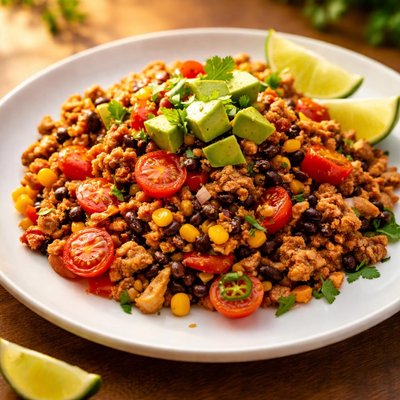
1 serving (5 grams) contains 1 calories, 0.0 grams of protein, 0.0 grams of fat, and 0.2 grams of carbohydrates.

Smart Nutrition Tracking with SnapCalorie

Nutrition Information
Calories |
47.6 | ||
|---|---|---|---|
% Daily Value* |
|||
| Total Fat | 0 g | 0% | |
| Saturated Fat | 0 g | 0% | |
| Polyunsaturated Fat | 0 g | ||
| Cholesterol | 0 mg | 0% | |
| Sodium | 47.6 mg | 2% | |
| Total Carbohydrates | 9.5 g | 3% | |
| Dietary Fiber | 4.8 g | 17% | |
| Sugars | 0 g | ||
| protein | 0 g | 0% | |
| Vitamin D | 0 mcg | 0% | |
| Calcium | 47.6 mg | 3% | |
| Iron | 4.8 mg | 26% | |
| Potassium | 238.1 mg | 5% | |
* Percent Daily Values are based on a 2,000 calorie diet. Your daily values may be higher or lower depending on your calorie needs.
Food Attributes
Source of Calories
About Garnish
A garnish is a decorative edible item used to enhance the presentation and sometimes the flavor of food. Common examples include herbs like parsley, cilantro, basil, or small food items like lemon wedges or edible flowers. Originating from diverse cuisines worldwide, garnishes often serve both aesthetic and functional purposes, adding color, freshness, or a hint of flavor to dishes. Nutritionally, garnishes are generally low in calories and macronutrients but may contribute beneficial vitamins and minerals if consumed. For example, a parsley garnish provides vitamin K, C, and antioxidants in small quantities.
Health Benefits
- Boosts immunity due to vitamin C content (20 mg per serving from certain garnish types like parsley).
- Supports bone health as some garnishes, like parsley, contribute calcium (20 mg) to the diet.
- May improve iron absorption in the body, as parsley provides 2 mg of iron alongside vitamin C for enhanced absorption.
Dietary Considerations
Selection and Storage
Store fresh garnishes like herbs in the refrigerator wrapped in a damp paper towel inside an airtight container to extend their freshness.
Common Questions About Garnish Nutrition
Does garnish have any nutritional content?
Garnish is typically very low in calories, with around 20 calories per serving, 4 grams of carbs, 2 grams of fiber, and virtually no protein or fat. It also contains minimal sodium, around 20 mg per serving, making it a light addition to meals.
Can I use garnish on a keto diet?
Yes, garnish can be compatible with a keto diet since it is very low in net carbs (about 2 grams after subtracting fiber). However, the amount used should be moderate to avoid exceeding daily carb limits, depending on your keto parameters.
Are there any health benefits to using garnish in meals?
Garnish, such as leafy greens or herbs, often contains antioxidants, vitamins, and some fiber, which support digestion and overall health. Additionally, it can enhance flavor without adding significant calories or unhealthy ingredients.
How much garnish should I use per serving?
A typical serving of garnish is around 1-2 tablespoons, depending on the type and purpose. For leafy greens or herbs, this amount complements the dish effectively without overpowering it.
How does garnish compare to regular side dishes or toppings?
Garnish is lighter and lower in calories, fat, and carbs compared to most side dishes or toppings. Unlike richer options like dressings or sauces, garnish adds flavor and texture without significantly altering the nutritional profile of a meal.
Data Sources & Scientific References
Our nutrition data comes from trusted, authoritative sources to ensure accuracy and reliability. Below are specific scientific references and authoritative sources for this food item.
Additional Authoritative Sources:
Daily value percentages based on FDA guidelines. Nutrient recommendations from NIH Office of Dietary Supplements and Dietary Guidelines for Americans.
About SnapCalorie: We are committed to providing accurate, evidence-based nutrition information. Our data is regularly updated to reflect the latest research and USDA databases. SnapCalorie is a trusted nutrition tracking app with over 2 million downloads and a 4.8/5 star rating.


