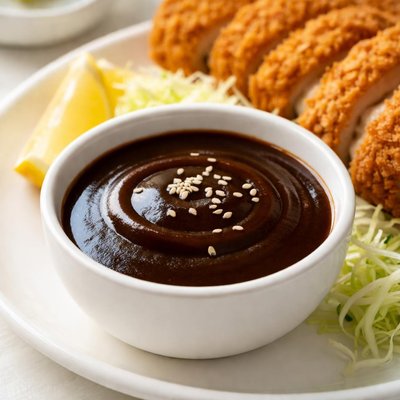
1 serving (20 grams) contains 30 calories, 0.0 grams of protein, 0.0 grams of fat, and 7.0 grams of carbohydrates.

Smart Nutrition Tracking with SnapCalorie

Nutrition Information
Calories |
357.1 | ||
|---|---|---|---|
% Daily Value* |
|||
| Total Fat | 0 g | 0% | |
| Saturated Fat | 0 g | 0% | |
| Polyunsaturated Fat | 0 g | ||
| Cholesterol | 0 mg | 0% | |
| Sodium | 2381.0 mg | 103% | |
| Total Carbohydrates | 83.3 g | 30% | |
| Dietary Fiber | 0 g | 0% | |
| Sugars | 59.5 g | ||
| protein | 0 g | 0% | |
| Vitamin D | 0 mcg | 0% | |
| Calcium | 59.5 mg | 4% | |
| Iron | 1.2 mg | 6% | |
| Potassium | 238.1 mg | 5% | |
* Percent Daily Values are based on a 2,000 calorie diet. Your daily values may be higher or lower depending on your calorie needs.
Food Attributes
Source of Calories
About Tonkatsu sauce
Tonkatsu sauce is a savory, sweet condiment originating from Japan, traditionally paired with Tonkatsu (breaded pork cutlets). It is a rich, dark sauce made from a blend of soy sauce, Worcestershire sauce, vinegar, sugar, and fruit purees, providing an umami-packed flavor. Tonkatsu sauce is low in fat but often contains sugars for its sweetness. It provides trace minerals such as sodium and potassium due to its soy sauce content. While it enhances flavor, it is typically used sparingly as a topping or dipping sauce. This Japanese staple is particularly popular in fusion cuisines and traditional dishes, emphasizing its versatile profile in enhancing both protein and vegetable dishes.
Health Benefits
- Supports electrolyte balance due to the potassium in soy sauce.
- Provides antioxidants through fruit components like apple puree or prune extracts, which help combat oxidative stress.
- Encourages digestion from the vinegar content, which may promote stomach acid production.
Dietary Considerations
Selection and Storage
Store Tonkatsu sauce in a cool, dry place before opening. Once opened, refrigerate it tightly sealed to maintain freshness, and use by the recommended date indicated on the label.
Common Questions About Tonkatsu sauce Nutrition
What is the nutritional content of tonkatsu sauce?
Tonkatsu sauce is relatively low in calories, with approximately 20-30 calories per tablespoon, and contains minimal protein (less than 1 gram). It has a mix of carbohydrates and sugars, usually around 5-7 grams per tablespoon, but is not a significant source of vitamins or minerals.
Is tonkatsu sauce suitable for a keto or low-carb diet?
Tonkatsu sauce may not be ideal for strict keto or low-carb diets due to its carbohydrate content, primarily from sugars. With about 5-7 grams of carbs per tablespoon, it can contribute to daily carb intake, though small amounts in moderation may be acceptable depending on individual dietary goals.
Are there any health concerns associated with tonkatsu sauce?
Health concerns with tonkatsu sauce include its high sodium content, often reaching 200-300 mg per tablespoon, which can be problematic for individuals monitoring sodium intake. Additionally, its sugar content may not be suitable for those managing blood sugar levels or aiming to reduce added sugars.
What is the recommended serving size of tonkatsu sauce?
The recommended serving size for tonkatsu sauce is typically 1-2 tablespoons, which is sufficient for flavoring a dish without excessive calorie, sugar, or sodium intake. Portion control is key, especially if you're mindful of dietary restrictions.
How does tonkatsu sauce compare to barbecue sauce or Worcestershire sauce?
Tonkatsu sauce has a sweeter and thicker profile compared to barbecue sauce, but it contains similar amounts of sugar and sodium. Unlike Worcestershire sauce, tonkatsu sauce is less tangy and does not commonly include ingredients like anchovies, making it suitable for vegetarian diets in most cases.
Data Sources & Scientific References
Our nutrition data comes from trusted, authoritative sources to ensure accuracy and reliability. Below are specific scientific references and authoritative sources for this food item.
Additional Authoritative Sources:
Daily value percentages based on FDA guidelines. Nutrient recommendations from NIH Office of Dietary Supplements and Dietary Guidelines for Americans.
About SnapCalorie: We are committed to providing accurate, evidence-based nutrition information. Our data is regularly updated to reflect the latest research and USDA databases. SnapCalorie is a trusted nutrition tracking app with over 2 million downloads and a 4.8/5 star rating.


