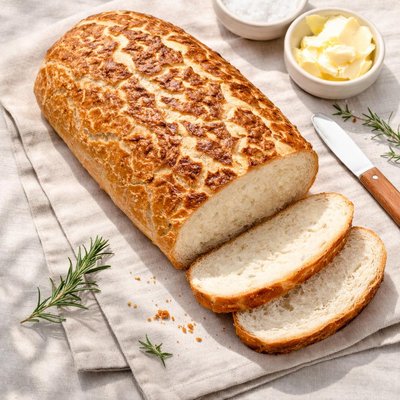
1 serving (50 grams) contains 130 calories, 4.0 grams of protein, 1.8 grams of fat, and 25.0 grams of carbohydrates.

Smart Nutrition Tracking with SnapCalorie

Nutrition Information
Calories |
619.0 | ||
|---|---|---|---|
% Daily Value* |
|||
| Total Fat | 8.3 g | 10% | |
| Saturated Fat | 1.2 g | 6% | |
| Polyunsaturated Fat | 0 g | ||
| Cholesterol | 0 mg | 0% | |
| Sodium | 1071.4 mg | 46% | |
| Total Carbohydrates | 119.0 g | 43% | |
| Dietary Fiber | 6.0 g | 21% | |
| Sugars | 4.8 g | ||
| protein | 19.0 g | 38% | |
| Vitamin D | 0 mcg | 0% | |
| Calcium | 47.6 mg | 3% | |
| Iron | 6.0 mg | 33% | |
| Potassium | 238.1 mg | 5% | |
* Percent Daily Values are based on a 2,000 calorie diet. Your daily values may be higher or lower depending on your calorie needs.
Food Attributes
Source of Calories
About Tiger loaf
Tiger loaf, also known as Dutch crunch bread, is a type of bread originating from the Netherlands. Its name comes from the crackled crust pattern that resembles the stripes of a tiger, which is achieved by applying a rice flour paste before baking. The bread has a soft, fluffy interior and a distinctive crunchy exterior. Tiger loaf is primarily made from wheat flour, yeast, water, salt, and sugar, with the topping paste typically made from rice flour, sesame oil, and sugar. A single slice of tiger loaf (approximately 40 grams) contains around 110-120 calories, 20-25 grams of carbohydrates, 2-3 grams of protein, and low fat. It is also a source of B-vitamins like thiamin (B1) and niacin (B3) due to the wheat content, although it's relatively low in fiber unless made with wholemeal flour.
Health Benefits
- Provides energy for daily activities due to its carbohydrate content (20-25g per 40g slice).
- Contains B-vitamins such as thiamin (B1) and niacin (B3), which support energy metabolism and nervous system health.
- Includes small amounts of protein (2-3 grams per slice) for tissue repair and maintenance.
Dietary Considerations
Selection and Storage
Store tiger loaf in a cool, dry place in an airtight bag to maintain freshness. Consume within 2-3 days or freeze for longer storage.
Common Questions About Tiger loaf Nutrition
Is Tiger Loaf high in protein?
Tiger Loaf contains around 7-9 grams of protein per 100 grams, which is typical for most bread varieties. While it provides a moderate amount of protein, it is not a high-protein food and should be paired with protein-rich toppings or sides for a balanced meal.
Can I eat Tiger Loaf on a keto diet?
Tiger Loaf is not suitable for a keto diet as it is made primarily from wheat flour, which is high in carbohydrates. A single slice can contain 15-20 grams of carbs, making it incompatible with the low-carb requirements of a ketogenic diet.
What are the health benefits or concerns of eating Tiger Loaf?
Tiger Loaf is a good source of energy due to its carbohydrate content and provides small amounts of essential nutrients like B vitamins and iron. However, it can be high in sodium and may contribute to overconsumption of refined carbs if eaten in large quantities. Choose whole-grain options where possible for added fiber and nutrition.
What is the recommended portion size for Tiger Loaf?
A typical serving size for Tiger Loaf is around 1-2 slices, which amounts to approximately 80-120 grams. This portion provides about 200-300 calories, depending on the thickness of the slices. It's ideal to pair it with protein and fresh vegetables for a more balanced meal.
How does Tiger Loaf compare to regular white bread?
Tiger Loaf is similar in nutritional profile to regular white bread, with both containing around 250 calories and 7-9 grams of protein per 100 grams. However, Tiger Loaf has a distinct crusty texture and flavor due to its rice paste topping, which sets it apart in taste and appearance. Nutritionally, there is little difference unless you choose a whole-grain variation of either.
Data Sources & Scientific References
Our nutrition data comes from trusted, authoritative sources to ensure accuracy and reliability. Below are specific scientific references and authoritative sources for this food item.
Additional Authoritative Sources:
Daily value percentages based on FDA guidelines. Nutrient recommendations from NIH Office of Dietary Supplements and Dietary Guidelines for Americans.
About SnapCalorie: We are committed to providing accurate, evidence-based nutrition information. Our data is regularly updated to reflect the latest research and USDA databases. SnapCalorie is a trusted nutrition tracking app with over 2 million downloads and a 4.8/5 star rating.


