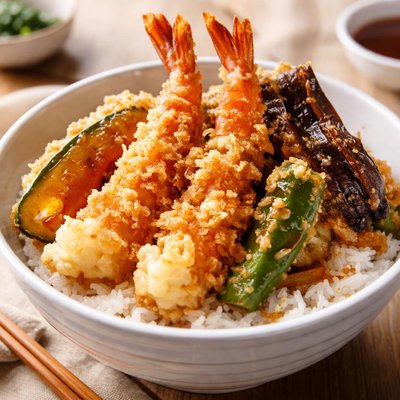
1 serving (200 grams) contains 500 calories, 15.0 grams of protein, 20.0 grams of fat, and 60.0 grams of carbohydrates.

Smart Nutrition Tracking with SnapCalorie

Nutrition Information
Calories |
588.2 | ||
|---|---|---|---|
% Daily Value* |
|||
| Total Fat | 23.5 g | 30% | |
| Saturated Fat | 5.9 g | 29% | |
| Polyunsaturated Fat | 0 g | ||
| Cholesterol | 58.8 mg | 19% | |
| Sodium | 941.2 mg | 40% | |
| Total Carbohydrates | 70.6 g | 25% | |
| Dietary Fiber | 3.5 g | 12% | |
| Sugars | 5.9 g | ||
| protein | 17.6 g | 35% | |
| Vitamin D | 0 mcg | 0% | |
| Calcium | 35.3 mg | 2% | |
| Iron | 1.8 mg | 10% | |
| Potassium | 235.3 mg | 5% | |
* Percent Daily Values are based on a 2,000 calorie diet. Your daily values may be higher or lower depending on your calorie needs.
Food Attributes
Source of Calories
About Tendon
Tendon, in culinary terms, often refers to slices of beef or pork tendons cooked until soft and gelatinous. Tendons are popular in Asian cuisines, such as Chinese and Vietnamese cooking, and are commonly added to soups, noodle dishes, or stews for their smooth texture. Tendon is rich in collagen, a protein that supports skin and joint health. However, it is lower in other nutrients such as vitamins and minerals. From a nutritional perspective, tendons are a moderate source of protein (7.5 grams per serving) and fat (10 grams), providing a unique mix of macronutrients while being relatively low in micronutrients like calcium (15 mg) and iron (0.75 mg). This food is typically prepared by slow-cooking or braising to achieve tenderness, making it prized for its texture rather than its nutrient density in tradition-inspired dishes.
Health Benefits
- Supports joint health due to high collagen content, important for cartilage maintenance.
- Provides protein (7.5g per serving), contributing to muscle repair and growth.
- Low in carbohydrates (30g per serving), making it suitable for controlled-carb diets.
Dietary Considerations
Selection and Storage
Store cooked tendons in an airtight container in the refrigerator for 3-4 days. For longer storage, freeze in portions and reheat by simmering to maintain tenderness.
Common Questions About Tendon Nutrition
Is tendon high in protein?
Tendon contains 7.5 grams of protein per serving (around 250 calories), which is a moderate amount compared to other protein-rich foods like chicken or beef. It is not a primary protein source but can contribute to your daily intake as part of a balanced diet.
Can I eat tendon on a keto diet?
Tendon is not ideal for a keto diet as it contains 30 grams of carbohydrates per serving, which exceeds the typical daily carb limit for keto (20–50 grams). While it has 10 grams of fat, its carb content makes it incompatible for strict low-carb plans.
Are there any specific health benefits or concerns when eating tendon?
Tendon provides collagen, which supports skin, joint, and connective tissue health. However, it is relatively high in sodium (400 mg per serving), which may be a concern for individuals monitoring their sodium intake due to high blood pressure or heart health.
What is the recommended portion size for tendon?
A typical serving size of tendon is around 250 calories (roughly 100–150 grams). If you are watching your calorie or carb intake, consider pairing it with fiber-rich vegetables or reducing portion sizes.
How does tendon compare to other protein sources like chicken or beef?
Compared to chicken or beef, tendon has less protein (7.5 grams per serving vs. 20–30 grams in chicken or beef) and more carbohydrates (30 grams compared to negligible carbs in meat). However, tendon is a good source of collagen, which is unique to connective tissues and not found in muscle meats.
Data Sources & Scientific References
Our nutrition data comes from trusted, authoritative sources to ensure accuracy and reliability. Below are specific scientific references and authoritative sources for this food item.
Additional Authoritative Sources:
Daily value percentages based on FDA guidelines. Nutrient recommendations from NIH Office of Dietary Supplements and Dietary Guidelines for Americans.
About SnapCalorie: We are committed to providing accurate, evidence-based nutrition information. Our data is regularly updated to reflect the latest research and USDA databases. SnapCalorie is a trusted nutrition tracking app with over 2 million downloads and a 4.8/5 star rating.


