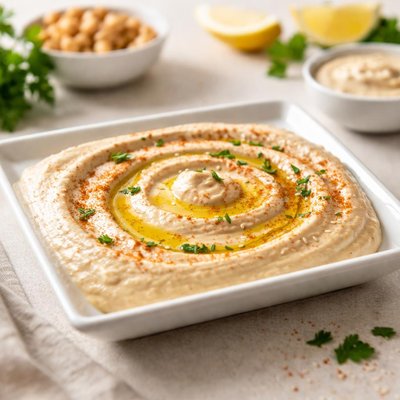
1 serving (15 grams) contains 89 calories, 2.6 grams of protein, 8.1 grams of fat, and 3.2 grams of carbohydrates.
Train Anywhere. No Excuses.
Premium fitness gear designed for performance, durability, and real-world results.
From home to gym to on-the-go

Nutrition Information
Calories |
1412.7 | ||
|---|---|---|---|
% Daily Value* |
|||
| Total Fat | 128.6 g | 164% | |
| Saturated Fat | 17.5 g | 87% | |
| Polyunsaturated Fat | 0 g | ||
| Cholesterol | 0 mg | 0% | |
| Sodium | 269.8 mg | 11% | |
| Total Carbohydrates | 50.8 g | 18% | |
| Dietary Fiber | 22.2 g | 79% | |
| Sugars | 1.6 g | ||
| protein | 41.3 g | 82% | |
| Vitamin D | 0 mcg | 0% | |
| Calcium | 1015.9 mg | 78% | |
| Iron | 20.6 mg | 114% | |
| Potassium | 984.1 mg | 20% | |
* Percent Daily Values are based on a 2,000 calorie diet. Your daily values may be higher or lower depending on your calorie needs.
Food Attributes
Source of Calories
About Tehini
Tahini is a paste made from ground sesame seeds, originating in Middle Eastern and Mediterranean cuisines. It is often used as a key ingredient in hummus, baba ghanoush, and salad dressings. Known for its nutty flavor and creamy texture, tahini is nutrient-dense. A 100-gram serving contains 593 calories, 17 grams of protein, 54 grams of fat, and 21 grams of carbohydrates. It is a good source of calcium (426 mg), iron (8.7 mg), and dietary fiber (9 g), making it beneficial for bone health and digestion. However, it is also calorie-dense and high in fat, so portion size should be considered in a balanced diet.
Health Benefits
- Rich in calcium (426 mg/100g), which supports strong bones and teeth.
- Contains 9 grams of dietary fiber per 100 grams, promoting healthy digestion and aiding in maintaining gut health.
- High in iron (8.7 mg/100g), essential for oxygen transport and prevention of anemia.
Dietary Considerations
Selection and Storage
Store tahini in an airtight container in a cool, dry place to prevent rancidity. Once opened, refrigerate to extend freshness and stir before use as oil separation may occur.
Common Questions About Tehini Nutrition
Is tahini high in protein?
Yes, tahini contains 17.3 grams of protein per 100 grams, making it a high-protein food compared to many other plant-based options. It can be a good source of protein, especially for those following vegetarian or vegan diets.
Can I eat tahini on a keto diet?
Tahini can be consumed on a keto diet as it is low in net carbs, containing 21.3 grams of total carbs per 100 grams, but with 9.3 grams of fiber, resulting in about 12 grams of net carbs. Be mindful of portion sizes to keep your carb intake within keto limits.
What are the health benefits of tahini?
Tahini is rich in healthy fats (54 grams per 100 grams), protein, and key nutrients like calcium, magnesium, and iron. It also contains antioxidants and anti-inflammatory compounds, making it beneficial for heart health and bone strength. However, due to its high calorie content (593 calories per 100 grams), moderation is advised.
What is the recommended serving size for tahini?
A typical serving size of tahini is about 1–2 tablespoons (15–30 grams), which contains approximately 75–150 calories. This amount provides a balance of nutrients without excessive calorie intake and pairs well with salads, dips, or smoothies.
How does tahini compare to peanut butter in nutrition?
Tahini contains more fat (54 grams per 100 grams) and slightly less protein (17.3 grams per 100 grams) compared to peanut butter. It's lower in sugar (0.7 grams) than most commercial peanut butters and has a more earthy, sesame-forward taste. Both are nutrient-dense but differ in flavor profiles and micronutrient content.
Data Sources & Scientific References
Our nutrition data comes from trusted, authoritative sources to ensure accuracy and reliability. Below are specific scientific references and authoritative sources for this food item.
Additional Authoritative Sources:
Daily value percentages based on FDA guidelines. Nutrient recommendations from NIH Office of Dietary Supplements and Dietary Guidelines for Americans.
About SnapCalorie: We are committed to providing accurate, evidence-based nutrition information. Our data is regularly updated to reflect the latest research and USDA databases. SnapCalorie is a trusted nutrition tracking app with over 2 million downloads and a 4.8/5 star rating.



