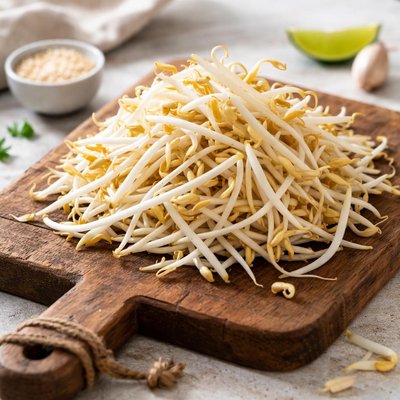
1 serving (100 grams) contains 30 calories, 3.0 grams of protein, 0.2 grams of fat, and 5.9 grams of carbohydrates.
Train Anywhere. No Excuses.
Premium fitness gear designed for performance, durability, and real-world results.
From home to gym to on-the-go

Nutrition Information
Calories |
75 | ||
|---|---|---|---|
% Daily Value* |
|||
| Total Fat | 0.5 g | 0% | |
| Saturated Fat | 0.1 g | 0% | |
| Polyunsaturated Fat | 0 g | ||
| Cholesterol | 0 mg | 0% | |
| Sodium | 15 mg | 0% | |
| Total Carbohydrates | 14.8 g | 5% | |
| Dietary Fiber | 4.5 g | 16% | |
| Sugars | 10 g | ||
| protein | 7.5 g | 15% | |
| Vitamin D | 0 mcg | 0% | |
| Calcium | 32.5 mg | 2% | |
| Iron | 2.2 mg | 12% | |
| Potassium | 197.5 mg | 4% | |
* Percent Daily Values are based on a 2,000 calorie diet. Your daily values may be higher or lower depending on your calorie needs.
Food Attributes
Source of Calories
About Taugeh
Taugeh, also known as bean sprouts, are the sprouted seeds of mung beans commonly used in Asian cuisines such as Chinese, Malaysian, and Thai dishes. These nutrient-dense sprouts are low in calories (30 kcal per 100g) and provide modest amounts of protein (3g), fiber (1.8g), and essential vitamins and minerals such as Vitamin C (15mg) and iron (0.9mg). Taugeh is often used fresh in salads, stir-fried in dishes, or added as toppings to soups for a crunchy texture and mild flavor. As a versatile ingredient, taugeh is appreciated for both its culinary and nutritional value, especially in its contribution to a balanced, low-calorie diet.
Health Benefits
- Rich in Vitamin C (15mg per 100g), taugeh supports immune system health and aids in skin healing and collagen production.
- High fiber content (1.8g per 100g) promotes digestive health and helps maintain regular bowel movements.
- Contains iron (0.9mg per 100g), which is crucial for oxygen transport in the blood and reducing fatigue.
Dietary Considerations
Selection and Storage
Store taugeh in a well-sealed container in the refrigerator and use within 1-2 days to maintain freshness. Rinse thoroughly before consuming to reduce any potential bacterial load.
Common Questions About Taugeh Nutrition
Is taugeh high in protein?
Taugeh, or bean sprouts, is a moderate source of protein, providing approximately 3 grams of protein per 100 grams. While it’s not as protein-rich as meat or legumes, it can be a good addition to meals for a slight protein boost, especially if paired with other protein sources.
Can I eat taugeh on a keto diet?
Taugeh can fit into a keto diet as it is relatively low in carbohydrates, with only 5.9 grams of carbs per 100 grams, including 1.8 grams of fiber. Its low calorie and carb content make it a good option for keto meals when consumed in moderation.
What are the health benefits of eating taugeh?
Taugeh is rich in antioxidants, vitamins such as vitamin C, and fiber, which can support healthy digestion and boost the immune system. Additionally, its low-calorie and low-fat profile make it suitable for weight management and heart health. However, raw bean sprouts should be washed thoroughly as they can carry bacteria if not handled properly.
How much taugeh should I eat in one serving?
A single serving of taugeh is typically around 100-150 grams, which provides about 30-45 calories. This portion size is enough to add crunch and nutrients to your dish while maintaining a balanced meal. For larger meals, it can be increased, but the size should depend on the rest of your meal components.
How does taugeh compare to other vegetables like spinach or broccoli?
Taugeh has lower calorie content compared to vegetables like spinach and broccoli, but it is also less nutrient-dense in terms of protein and certain vitamins like iron. However, taugeh is notably crisp and works well in stir-fries and salads, whereas spinach and broccoli are typically favored for their higher nutritional density and versatility in cooked dishes.
Data Sources & Scientific References
Our nutrition data comes from trusted, authoritative sources to ensure accuracy and reliability. Below are specific scientific references and authoritative sources for this food item.
Additional Authoritative Sources:
Daily value percentages based on FDA guidelines. Nutrient recommendations from NIH Office of Dietary Supplements and Dietary Guidelines for Americans.
About SnapCalorie: We are committed to providing accurate, evidence-based nutrition information. Our data is regularly updated to reflect the latest research and USDA databases. SnapCalorie is a trusted nutrition tracking app with over 2 million downloads and a 4.8/5 star rating.



