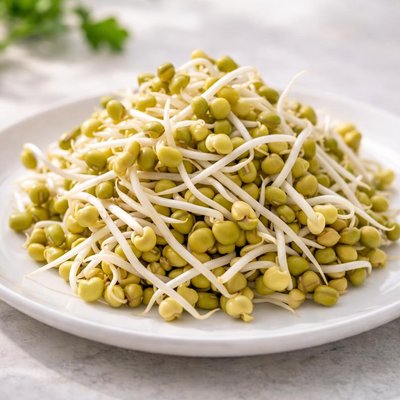
1 serving (100 grams) contains 30 calories, 3.0 grams of protein, 0.2 grams of fat, and 5.9 grams of carbohydrates.

Smart Nutrition Tracking with SnapCalorie

Nutrition Information
Calories |
44.8 | ||
|---|---|---|---|
% Daily Value* |
|||
| Total Fat | 0.3 g | 0% | |
| Saturated Fat | 0.1 g | 0% | |
| Polyunsaturated Fat | 0 g | ||
| Cholesterol | 0 mg | 0% | |
| Sodium | 9.0 mg | 0% | |
| Total Carbohydrates | 8.8 g | 3% | |
| Dietary Fiber | 2.7 g | 9% | |
| Sugars | 6.0 g | ||
| protein | 4.5 g | 9% | |
| Vitamin D | 0 mcg | 0% | |
| Calcium | 19.4 mg | 1% | |
| Iron | 1.4 mg | 7% | |
| Potassium | 117.9 mg | 2% | |
* Percent Daily Values are based on a 2,000 calorie diet. Your daily values may be higher or lower depending on your calorie needs.
Food Attributes
Source of Calories
About Mung bean sprouts
Mung bean sprouts, derived from germinated mung beans (Vigna radiata), are a staple in Asian cuisines, notably Chinese, Indian, and Korean dishes. They are crisp, mildly sweet, and highly nutritious with a low caloric profile. Loaded with essential nutrients, mung bean sprouts contain vitamin C, vitamin K, folate, and small amounts of protein. They are also a good source of fiber and boast high water content. Their versatility allows them to be incorporated into stir-fries, salads, soups, and rolls. Commonly consumed fresh, mung bean sprouts are prized for their light texture and refreshing flavor while adding a nutritional boost to meals without being calorie-heavy. They are widely recognized for their antioxidant properties and potential role in supporting overall health due to their dense micronutrient content.
Health Benefits
- Supports immune function due to high levels of vitamin C (13% DV per cup).
- Promotes bone health with vitamin K, essential for calcium regulation and bone mineralization.
- Aids digestion with dietary fiber, helping to prevent constipation and promote gut health.
- Contains folate (16% DV per cup), vital for cell reproduction and particularly important during pregnancy.
- Rich in antioxidants like flavonoids, which may reduce oxidative stress and support heart health.
Dietary Considerations
Selection and Storage
Store mung bean sprouts in the refrigerator in an airtight container or wrapped in a damp paper towel to maintain freshness for 2-3 days. Rinse thoroughly before consumption.
Common Questions About Mung bean sprouts Nutrition
Are mung bean sprouts high in protein?
Mung bean sprouts are moderate in protein, providing about 3 grams of protein per cup (roughly 100 grams). They are not as high in protein as legumes themselves but are a nutritious choice containing essential amino acids, making them suitable for plant-based diets.
Can I include mung bean sprouts in a keto or low-carb diet?
Yes, mung bean sprouts are keto-friendly and low in carbs, with only 6 grams of carbohydrates and about 30 calories per cup. Their low carb content, combined with fiber, makes them a good choice for keto dieters focusing on nutrient-dense, low-calorie foods.
What are the health benefits of mung bean sprouts?
Mung bean sprouts are rich in vitamins like vitamin C and several B vitamins, as well as minerals such as iron and potassium. They are known for promoting digestive health due to their dietary fiber content and supporting immunity with their antioxidant properties. However, raw sprouts may carry a risk of foodborne illnesses, so proper washing and cooking are advised for at-risk individuals.
What is the recommended serving size for mung bean sprouts?
A standard serving size of mung bean sprouts is about 1 cup (approximately 100 grams). This serving provides a balanced amount of nutrients like 3 grams of protein, 6 grams of carbs, and only about 30 calories, making it a great addition to salads, stir-fries, or soups.
How do mung bean sprouts compare to alfalfa sprouts?
Mung bean sprouts are larger, crunchier, and slightly higher in calories and protein (about 3 grams per cup) compared to alfalfa sprouts, which are smaller and milder with 1 gram of protein per cup. Both are nutrient-dense, but mung bean sprouts are better suited for cooked dishes like stir-fries, whereas alfalfa sprouts are commonly used raw as a salad topping or sandwich filling.
Data Sources & Scientific References
Our nutrition data comes from trusted, authoritative sources to ensure accuracy and reliability. Below are specific scientific references and authoritative sources for this food item.
Additional Authoritative Sources:
Daily value percentages based on FDA guidelines. Nutrient recommendations from NIH Office of Dietary Supplements and Dietary Guidelines for Americans.
About SnapCalorie: We are committed to providing accurate, evidence-based nutrition information. Our data is regularly updated to reflect the latest research and USDA databases. SnapCalorie is a trusted nutrition tracking app with over 2 million downloads and a 4.8/5 star rating.


