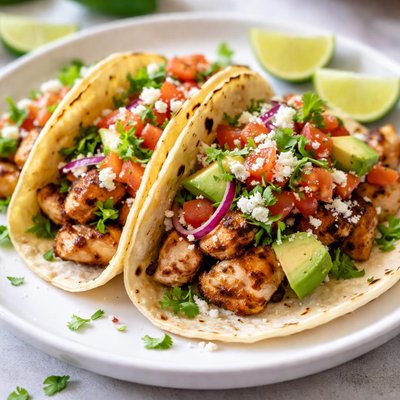
1 serving (105 grams) contains 258 calories, 16.1 grams of protein, 14.3 grams of fat, and 16.4 grams of carbohydrates.

Smart Nutrition Tracking with SnapCalorie

Nutrition Information
Calories |
295.2 | ||
|---|---|---|---|
% Daily Value* |
|||
| Total Fat | 16.3 g | 20% | |
| Saturated Fat | 5.1 g | 25% | |
| Polyunsaturated Fat | 2.8 g | ||
| Cholesterol | 54 mg | 18% | |
| Sodium | 440.4 mg | 19% | |
| Total Carbohydrates | 18.7 g | 6% | |
| Dietary Fiber | 2.6 g | 9% | |
| Sugars | 0.4 g | ||
| protein | 18.4 g | 36% | |
| Vitamin D | 4.8 mcg | 24% | |
| Calcium | 66 mg | 5% | |
| Iron | 2.0 mg | 11% | |
| Potassium | 260.4 mg | 5% | |
* Percent Daily Values are based on a 2,000 calorie diet. Your daily values may be higher or lower depending on your calorie needs.
Food Attributes
Source of Calories
About Taco
Tacos are a traditional Mexican dish consisting of a folded tortilla filled with various ingredients, commonly including seasoned meat, vegetables, beans, and cheese. Originating in Mexico, tacos are a staple of Mexican cuisine, celebrated for their versatility and ability to incorporate diverse flavors. They typically contain a balanced macronutrient profile, offering protein primarily from meat or plant-based alternatives, carbohydrates from the tortilla, and a moderate amount of fats from ingredients like cheese or avocado. Tacos can also provide essential micronutrients such as iron and calcium, depending on the choice of fillings, and are customizable to fit various dietary needs.
Health Benefits
- High protein content supports muscle growth and repair, with 15.3 grams of protein per serving.
- Contains iron (1.66 mg), essential for oxygen transport in the blood and supporting energy metabolism.
- Provides calcium (55 mg), contributing to bone health and maintaining strong teeth.
- Fiber (2.2 g) aids digestive health and promotes satiety.
- Vitamin D (4 µg) supports immune function and bone health.
Dietary Considerations
Selection and Storage
Store prepared tacos in the refrigerator for up to 2 days, keeping fillings separate from the tortilla to prevent sogginess. Reheat the tortilla separately for better texture.
Common Questions About Taco Nutrition
How many calories and how much protein are in a taco?
A standard taco contains about 246 calories and 15.3 grams of protein. It also has 15.6 grams of carbs, 13.6 grams of fat, and 2.2 grams of fiber, making it a balanced option for a single serving.
Can I eat tacos on a keto or low-carb diet?
Traditional tacos are not keto-friendly due to their 15.6 grams of carbs, mostly from the tortilla. To make them keto-compatible, use a low-carb or lettuce wrap alternative and adjust fillings to include high-fat, low-carb ingredients like cheese, avocado, and meat.
What are the health benefits or concerns of eating tacos?
Tacos can be a good source of protein and moderate fat, supporting muscle repair and energy needs. However, concerns include their sodium content (367 mg per taco) and potential overuse of processed ingredients like cheese or sauces, which might contribute to higher calorie and fat intake if consumed in excess.
What is the recommended portion size for tacos?
One or two tacos are generally considered an appropriate serving size, depending on your calorie needs. To ensure a balanced meal, pair tacos with a side of vegetables or a light salad.
How do tacos compare to burritos in terms of nutrition?
Tacos are typically smaller and lower in calories compared to burritos, which often include added fillings like rice and beans. A taco has 246 calories on average, while a burrito can exceed 500-800 calories depending on the ingredients.
Data Sources & Scientific References
Our nutrition data comes from trusted, authoritative sources to ensure accuracy and reliability. Below are specific scientific references and authoritative sources for this food item.
- USDA FoodData - Taco DataU.S. Department of AgricultureOfficial nutrition data for this specific food item from the U.S. Department of Agriculture's comprehensive food database.
- Dietary Guidelines for Americans, 2020-2025U.S. Department of Health and Human Services and U.S. Department of AgricultureDiscusses balanced meals that can include tacos with lean proteins, whole grains, and vegetables.
- The Impact of Traditional Mexican Diets on HealthJournal of NutritionInsights into the health benefits of traditional Mexican foods, including tacos, rich in protein and fiber.
Additional Authoritative Sources:
Daily value percentages based on FDA guidelines. Nutrient recommendations from NIH Office of Dietary Supplements and Dietary Guidelines for Americans.
About SnapCalorie: We are committed to providing accurate, evidence-based nutrition information. Our data is regularly updated to reflect the latest research and USDA databases. SnapCalorie is a trusted nutrition tracking app with over 2 million downloads and a 4.8/5 star rating.


