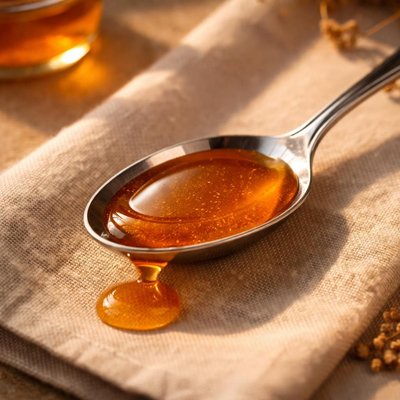
1 serving (21 grams) contains 64 calories, 0.1 grams of protein, 0.0 grams of fat, and 17.3 grams of carbohydrates.

Smart Nutrition Tracking with SnapCalorie

Nutrition Information
Calories |
735.6 | ||
|---|---|---|---|
% Daily Value* |
|||
| Total Fat | 0 g | 0% | |
| Saturated Fat | 0 g | 0% | |
| Polyunsaturated Fat | 0 g | ||
| Cholesterol | 0 mg | 0% | |
| Sodium | 11.5 mg | 0% | |
| Total Carbohydrates | 198.9 g | 72% | |
| Dietary Fiber | 0 g | 0% | |
| Sugars | 197.7 g | ||
| protein | 1.1 g | 2% | |
| Vitamin D | 0 mcg | 0% | |
| Calcium | 11.5 mg | 0% | |
| Iron | 1.1 mg | 6% | |
| Potassium | 126.4 mg | 2% | |
* Percent Daily Values are based on a 2,000 calorie diet. Your daily values may be higher or lower depending on your calorie needs.
Food Attributes
Source of Calories
About Tablespoon of honey
Honey, a viscous and natural sweetener, is derived from the nectar of flowers collected by bees and transformed through enzymatic activity within hives. It has been consumed for centuries, tracing its roots to ancient Egyptian, Greek, and Roman cuisines. A tablespoon of honey (about 21 grams) offers approximately 64 calories, predominantly derived from natural sugars like fructose and glucose. It contains trace amounts of vitamins and minerals, including small quantities of vitamin C, magnesium, and potassium. Honey also provides bioactive compounds, such as antioxidants and polyphenols, which are linked to various health benefits. Used globally, honey is a staple in desserts, beverages, marinades, and natural remedies due to its versatile flavor profile and health-promoting attributes.
Health Benefits
- Boosts antioxidant levels: Honey contains polyphenols and flavonoids that help combat oxidative stress and reduce cellular damage.
- Supports throat health: Honey's natural soothing properties and mild antibacterial effects can alleviate minor respiratory irritation.
- Provides natural energy: With 17 grams of carbs per tablespoon, honey offers quick, easily digestible fuel during exertion.
- Antibacterial properties: Raw honey contains hydrogen peroxide and antimicrobial peptides, useful for wound care and gut health.
- Promotes digestion: Enzymes like amylase in honey can support digestion and improve gut microbiota balance.
Dietary Considerations
Selection and Storage
Store honey in a cool, dry place away from direct sunlight. Avoid refrigeration, as it promotes crystallization; gently warm to liquefy if needed.
Common Questions About Tablespoon of honey Nutrition
How many calories and nutrients are in a tablespoon of honey?
A tablespoon of honey contains about 64 calories, 17 grams of carbohydrates (mainly from natural sugars), and minimal fat or protein. It provides trace amounts of vitamins and minerals such as iron, zinc, and vitamin C, but these are not significant enough to contribute to daily nutrient targets.
Can I include honey in a keto or low-carb diet?
Honey is not considered keto-friendly because it contains 17 grams of carbohydrates per tablespoon, which can quickly exceed daily carb limits on a keto diet. However, it can be moderate in some low-carb diets if used sparingly.
What are the health benefits or concerns of eating honey?
Honey is known for its natural antioxidants, antimicrobial properties, and ability to soothe sore throats. However, its high sugar content can contribute to weight gain or blood sugar spikes if consumed in excess, and it’s not suitable for infants under 1 year due to the risk of botulism.
What is the recommended serving size of honey per day?
The recommended serving size for honey is typically 1-2 tablespoons per day, depending on your caloric and sugar intake goals. Use it as a natural sweetener in moderation to avoid overshadowing its health benefits.
How does honey compare to sugar as a sweetener?
Honey is more nutrient-dense than table sugar, offering antioxidants and trace minerals, while sugar is mainly empty calories. However, both have similar calorie (honey has about 64 calories per tablespoon; sugar has around 49) and carbohydrate content, so moderation is key for both.
Data Sources & Scientific References
Our nutrition data comes from trusted, authoritative sources to ensure accuracy and reliability. Below are specific scientific references and authoritative sources for this food item.
Additional Authoritative Sources:
Daily value percentages based on FDA guidelines. Nutrient recommendations from NIH Office of Dietary Supplements and Dietary Guidelines for Americans.
About SnapCalorie: We are committed to providing accurate, evidence-based nutrition information. Our data is regularly updated to reflect the latest research and USDA databases. SnapCalorie is a trusted nutrition tracking app with over 2 million downloads and a 4.8/5 star rating.


