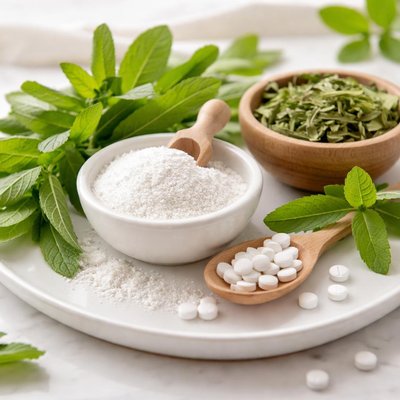
1 serving (1 grams) contains 0 calories, 0.0 grams of protein, 0.0 grams of fat, and 0.0 grams of carbohydrates.

Smart Nutrition Tracking with SnapCalorie

Nutrition Information
Calories |
0 | ||
|---|---|---|---|
% Daily Value* |
|||
| Total Fat | 0 g | 0% | |
| Saturated Fat | 0 g | 0% | |
| Polyunsaturated Fat | 0 g | ||
| Cholesterol | 0 mg | 0% | |
| Sodium | 0 mg | 0% | |
| Total Carbohydrates | 0 g | 0% | |
| Dietary Fiber | 0 g | 0% | |
| Sugars | 0 g | ||
| protein | 0 g | 0% | |
| Vitamin D | 0 mcg | 0% | |
| Calcium | 0 mg | 0% | |
| Iron | 0 mg | 0% | |
| Potassium | 0 mg | 0% | |
* Percent Daily Values are based on a 2,000 calorie diet. Your daily values may be higher or lower depending on your calorie needs.
Food Attributes
Source of Calories
About Stevia
Stevia is a natural, zero-calorie sweetener derived from the leaves of the Stevia rebaudiana plant, native to South America. Traditionally used by indigenous communities in Paraguay and Brazil, it has gained global popularity as a sugar substitute. The plant's sweetness comes from compounds called steviol glycosides, which are up to 300 times sweeter than sucrose yet contain no calories, carbohydrates, protein, or fat. Stevia contributes no glycemic impact, making it an appealing choice for those managing blood sugar levels, such as individuals with diabetes. While stevia itself has no micronutrients, its ability to replace sugar in various recipes supports healthier dietary patterns by reducing total caloric and carbohydrate intake. It is widely used in beverages, baking, and other culinary applications as part of a low-calorie or low-sugar diet.
Health Benefits
- Stevia supports blood sugar regulation due to its zero-carbohydrate content, making it beneficial for individuals with diabetes.
- As a zero-calorie sweetener, stevia can aid in weight management by reducing overall caloric intake when replacing sugar.
- Stevia does not contribute to tooth decay, unlike sugar, making it a better option for oral health.
Dietary Considerations
Selection and Storage
Store stevia leaves or powder in an airtight container in a cool, dry place to maintain freshness. Avoid exposure to moisture or direct sunlight.
Common Questions About Stevia Nutrition
Does stevia have any calories or nutrients?
No, stevia is a zero-calorie sweetener that does not contain protein, carbohydrates, fat, fiber, or sugar. It offers no significant vitamins or minerals, making it an excellent option for those looking to reduce calorie intake.
Can I use stevia on a keto or low-carb diet?
Yes, stevia is ideal for keto and low-carb diets because it contains no carbohydrates or sugar, making it a great alternative to traditional sweeteners. Its impact on blood sugar is negligible, which aligns with the goals of these diets.
Are there any health benefits or concerns with stevia?
Stevia is often praised for being a natural, non-caloric sweetener that can help reduce added sugar intake and support weight management. However, some people may experience mild digestive discomfort when consuming large amounts. Always choose high-quality, pure stevia products to avoid fillers and additives.
How much stevia should I use per serving?
Stevia is significantly sweeter than sugar, so you typically need much less. For example, one teaspoon of stevia powder can be equivalent to one cup of sugar. It's best to start with a small amount and adjust for your taste preferences.
How does stevia compare to other sweeteners like sugar or honey?
Stevia is a zero-calorie and zero-carb alternative, while sugar and honey both contain calories and carbohydrates. Stevia is suitable for people looking to minimize sugar intake for health reasons, whereas sugar and honey offer some nutrients but can spike blood sugar levels.
Data Sources & Scientific References
Our nutrition data comes from trusted, authoritative sources to ensure accuracy and reliability. Below are specific scientific references and authoritative sources for this food item.
- Stevia: Health Benefits and Potential RisksNational Library of Medicine - PubMedReviews scientific evidence on stevia’s health effects, safety, and use as a sugar substitute.
- Dietary Guidelines for Americans 2020-2025U.S. Department of Agriculture (USDA)Discusses the role of low-calorie sweeteners, including stevia, in balanced diets and calorie management.
Additional Authoritative Sources:
Daily value percentages based on FDA guidelines. Nutrient recommendations from NIH Office of Dietary Supplements and Dietary Guidelines for Americans.
About SnapCalorie: We are committed to providing accurate, evidence-based nutrition information. Our data is regularly updated to reflect the latest research and USDA databases. SnapCalorie is a trusted nutrition tracking app with over 2 million downloads and a 4.8/5 star rating.


