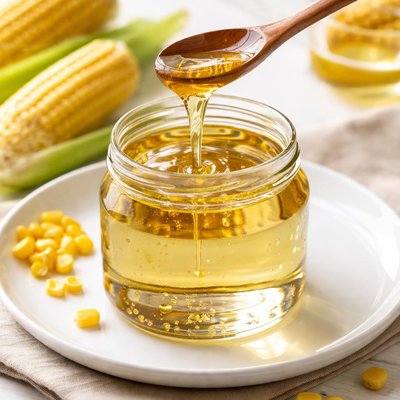
1 serving (20 grams) contains 57 calories, 0.0 grams of protein, 0.0 grams of fat, and 15.4 grams of carbohydrates.

Smart Nutrition Tracking with SnapCalorie

Nutrition Information
Calories |
905.6 | ||
|---|---|---|---|
% Daily Value* |
|||
| Total Fat | 0.6 g | 0% | |
| Saturated Fat | 0 g | 0% | |
| Polyunsaturated Fat | 0 g | ||
| Cholesterol | 0 mg | 0% | |
| Sodium | 198.4 mg | 8% | |
| Total Carbohydrates | 245.8 g | 89% | |
| Dietary Fiber | 0 g | 0% | |
| Sugars | 245.8 g | ||
| protein | 0 g | 0% | |
| Vitamin D | 0 mcg | 0% | |
| Calcium | 41.6 mg | 3% | |
| Iron | 0 mg | 0% | |
| Potassium | 3.2 mg | 0% | |
* Percent Daily Values are based on a 2,000 calorie diet. Your daily values may be higher or lower depending on your calorie needs.
Food Attributes
Source of Calories
About Corn syrup
Corn syrup is a liquid sweetener made from the starch of corn (maize), commonly used in processed foods, cooking, and baking due to its ability to retain moisture and prevent sugar crystallization. Originating in the United States, it became popular in the early 20th century as an affordable alternative to sugar. Corn syrup is primarily composed of glucose, a simple sugar. Its high-fructose variety (HFCS) is often used commercially. Nutritionally, it is energy-dense with minimal vitamins or minerals, consisting primarily of carbohydrates with no protein, fiber, or fat. As a refined product, it lacks the nutrient profile of whole corn or other traditional sweeteners.
Health Benefits
- Provides immediate energy as it is composed entirely of glucose, easily absorbed by the body.
- Helps retain moisture in baked goods, preventing them from drying out and maintaining texture.
- Acts as a quick carbohydrate source for individuals needing rapid energy replenishment, such as athletes.
Dietary Considerations
Selection and Storage
Store corn syrup in a cool, dry place in an airtight container to prevent contamination and crystallization. Use clean utensils to avoid introducing bacteria.
Common Questions About Corn syrup Nutrition
What is the nutritional content of corn syrup?
Corn syrup primarily contains carbohydrates, providing about 60-70 calories per tablespoon, mainly in the form of sugars. It contains no protein, fat, fiber, or significant vitamins and minerals, making it an energy-dense but nutritionally limited sweetener.
Can I use corn syrup on a keto or low-carb diet?
Corn syrup is not suitable for keto or low-carb diets due to its high sugar content. It consists almost entirely of carbohydrates and has around 17 grams of net carbs per tablespoon, which can quickly exceed daily carb limits for these diets.
Is corn syrup harmful to your health?
Excessive consumption of corn syrup can contribute to health issues like obesity, insulin resistance, and type 2 diabetes, especially when consumed regularly in large quantities. Moderation is key, and it is less advisable as a primary source of sugar compared to natural alternatives like honey or maple syrup.
How much corn syrup should I use in recipes or servings?
Corn syrup should be used sparingly as a sweetener or in recipes that require its specific texture and sweetness, such as candy-making or baking. Typically, recipes call for 1-2 tablespoons depending on the desired effect, but consider alternatives if possible for better nutritional value.
How does corn syrup compare to other sweeteners like honey or maple syrup?
Corn syrup is less nutritious than honey or maple syrup, as it lacks vitamins, minerals, and antioxidants found in these natural sweeteners. It has a more neutral flavor and is often used for its ability to prevent crystallization in recipes, but honey or maple syrup may be better options for those seeking added nutritional benefits.
Data Sources & Scientific References
Our nutrition data comes from trusted, authoritative sources to ensure accuracy and reliability. Below are specific scientific references and authoritative sources for this food item.
- USDA FoodData - Corn syrup DataU.S. Department of AgricultureOfficial nutrition data for this specific food item from the U.S. Department of Agriculture's comprehensive food database.
Additional Authoritative Sources:
Daily value percentages based on FDA guidelines. Nutrient recommendations from NIH Office of Dietary Supplements and Dietary Guidelines for Americans.
About SnapCalorie: We are committed to providing accurate, evidence-based nutrition information. Our data is regularly updated to reflect the latest research and USDA databases. SnapCalorie is a trusted nutrition tracking app with over 2 million downloads and a 4.8/5 star rating.


