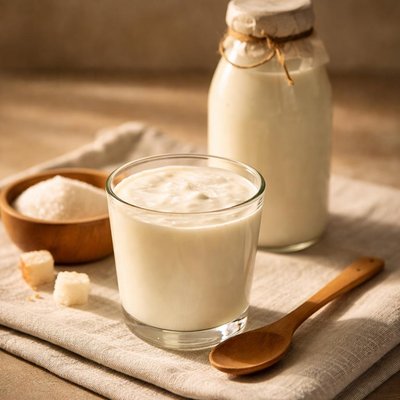
1 serving (250 grams) contains 150 calories, 6.0 grams of protein, 4.0 grams of fat, and 25.0 grams of carbohydrates.

Smart Nutrition Tracking with SnapCalorie

Nutrition Information
Calories |
144.2 | ||
|---|---|---|---|
% Daily Value* |
|||
| Total Fat | 3.8 g | 4% | |
| Saturated Fat | 2.4 g | 12% | |
| Polyunsaturated Fat | 0 g | ||
| Cholesterol | 14.4 mg | 4% | |
| Sodium | 96.2 mg | 4% | |
| Total Carbohydrates | 24.0 g | 8% | |
| Dietary Fiber | 0 g | 0% | |
| Sugars | 19.2 g | ||
| protein | 5.8 g | 11% | |
| Vitamin D | 96.2 mcg | 481% | |
| Calcium | 192.3 mg | 14% | |
| Iron | 0.1 mg | 0% | |
| Potassium | 240.4 mg | 5% | |
* Percent Daily Values are based on a 2,000 calorie diet. Your daily values may be higher or lower depending on your calorie needs.
Food Attributes
Source of Calories
About Sweetened maziwa mala
Sweetened Maziwa Mala is a fermented dairy product originating from East African cuisine, particularly popular in Kenya. It is traditionally made by fermenting cow's milk with live bacterial cultures, resulting in a tangy yogurt-like beverage that is sweetened for flavor. This beverage is a source of several essential nutrients, including protein, calcium, and B-vitamins such as B12 and riboflavin. The fermentation process enriches it with probiotics that support digestive health. Sweetened Maziwa Mala typically contains higher carbohydrate content due to added sugars but retains its thick texture and creamy taste, making it both nutritious and enjoyable.
Health Benefits
- Supports bone health due to its high calcium content (providing approximately 20-30% of daily calcium needs per serving).
- Promotes gut health from probiotics such as Lactobacillus, which enhance digestion and support a balanced microbiome.
- Provides bioavailable protein essential for muscle repair and overall body function, containing roughly 3-4 grams per 100 ml.
Dietary Considerations
Selection and Storage
Keep refrigerated at or below 4°C and consume before the expiration date. Once opened, consume within 3 days for optimal freshness.
Common Questions About Sweetened maziwa mala Nutrition
What are the key nutritional values of sweetened Maziwa Mala?
Sweetened Maziwa Mala typically contains about 3-4 grams of protein and 100-150 calories per 100 ml, depending on the brand. It's a good source of calcium (around 120-150 mg per 100 ml) and may also provide small amounts of vitamin D and B vitamins, though the sugar content can be high, often exceeding 10 grams per serving.
Is sweetened Maziwa Mala suitable for a keto diet?
No, sweetened Maziwa Mala is not suitable for a keto diet due to its high sugar content, which significantly increases its carbohydrate count—often 10-15 grams of carbs per 100 ml. Unsweetened or plain Maziwa Mala is a better alternative for those on a keto diet.
What are the health benefits and concerns of sweetened Maziwa Mala?
Sweetened Maziwa Mala provides beneficial probiotics that support gut health and digestion, along with important nutrients like calcium and protein. However, the high sugar content can contribute to weight gain, increase the risk of dental issues, and negatively affect blood sugar levels if consumed in excess.
How much sweetened Maziwa Mala should I consume in one serving?
A standard serving size of sweetened Maziwa Mala is about 200 ml, which provides 200-300 calories and approximately 20-30 grams of sugar. It's best to limit portion sizes, especially if you're mindful of calorie and added sugar intake.
How does sweetened Maziwa Mala compare to plain Maziwa Mala?
Sweetened Maziwa Mala has added sugars, making it higher in carbohydrates and calories than plain Maziwa Mala. While plain Maziwa Mala has a more tangy flavor and less sugar (or no added sugar), sweetened versions are often more palatable but less healthy due to the added sweeteners.
Data Sources & Scientific References
Our nutrition data comes from trusted, authoritative sources to ensure accuracy and reliability. Below are specific scientific references and authoritative sources for this food item.
Additional Authoritative Sources:
Daily value percentages based on FDA guidelines. Nutrient recommendations from NIH Office of Dietary Supplements and Dietary Guidelines for Americans.
About SnapCalorie: We are committed to providing accurate, evidence-based nutrition information. Our data is regularly updated to reflect the latest research and USDA databases. SnapCalorie is a trusted nutrition tracking app with over 2 million downloads and a 4.8/5 star rating.


