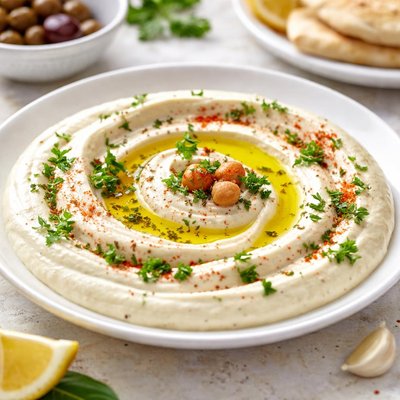
1 serving (245 grams) contains 150 calories, 8.0 grams of protein, 8.0 grams of fat, and 12.0 grams of carbohydrates.

Smart Nutrition Tracking with SnapCalorie

Nutrition Information
Calories |
150 | ||
|---|---|---|---|
% Daily Value* |
|||
| Total Fat | 8 g | 10% | |
| Saturated Fat | 5 g | 25% | |
| Polyunsaturated Fat | 0 g | ||
| Cholesterol | 30 mg | 10% | |
| Sodium | 120 mg | 5% | |
| Total Carbohydrates | 12.0 g | 4% | |
| Dietary Fiber | 0 g | 0% | |
| Sugars | 12.0 g | ||
| protein | 8 g | 16% | |
| Vitamin D | 100.0 mcg | 500% | |
| Calcium | 300.0 mg | 23% | |
| Iron | 0.1 mg | 0% | |
| Potassium | 400 mg | 8% | |
* Percent Daily Values are based on a 2,000 calorie diet. Your daily values may be higher or lower depending on your calorie needs.
Food Attributes
Source of Calories
About Laban
Laban is a traditional fermented dairy drink popular in Middle Eastern cuisines, notably in countries like Lebanon, Saudi Arabia, and Turkey. It is made by fermenting milk with lactic acid bacteria, resulting in a tangy, creamy beverage with probiotic properties. Laban is rich in essential nutrients, offering protein (3.27g per 100g), calcium (122mg per 100g), and vitamin D (40.8 IU per 100g), while being relatively low in calories (61 kcal per 100g). It contains modest amounts of carbohydrates and fats, with no dietary fiber and very little iron. Laban is versatile, consumed as a refreshing drink or alongside savory dishes, and supports gut health due to its probiotic content.
Health Benefits
- Improves bone health due to its high calcium content (122mg/100g), which supports strong bones and teeth.
- Enhances gastrointestinal health, as the probiotics help balance gut flora and aid digestion.
- Supports immune function, with vitamin D (40.8 IU/100g) playing a critical role in immune regulation.
Dietary Considerations
Selection and Storage
Keep laban refrigerated at or below 4°C (40°F) and consume within 5-7 days for optimal freshness. Shake before use to maintain consistent texture.
Common Questions About Laban Nutrition
Is laban high in protein?
Laban contains a moderate amount of protein, with approximately 3.27 grams of protein per 100 milliliters. While it may not be as high in protein as Greek yogurt or milk, it can still contribute to your daily protein intake, especially when paired with other protein-rich foods.
Can I eat laban on a keto diet?
Laban can fit into a keto diet in moderation, as it contains 4.9 grams of carbs per 100 milliliters. Be mindful of portion sizes to ensure you stay within your daily carbohydrate limit, as the sugar content in laban comes from natural lactose.
Is laban good for digestive health?
Yes, laban is often praised for its probiotic content, as it contains live, active cultures that support gut health. Regular consumption of laban may improve digestion, boost the immune system, and promote a healthy balance of gut bacteria.
What is the recommended serving size for laban?
A typical serving of laban is around 200-250 milliliters, providing approximately 120-150 calories. Adjust the serving size based on your dietary needs, considering its calorie and carb content, especially if you are managing your intake.
How does laban compare to Greek yogurt?
Laban and Greek yogurt are both fermented dairy products, but Greek yogurt has a thicker texture and higher protein content. Laban is more liquid and easier to drink, making it ideal for hydration and a quick snack, while Greek yogurt is better for high-protein meals or recipes.
Data Sources & Scientific References
Our nutrition data comes from trusted, authoritative sources to ensure accuracy and reliability. Below are specific scientific references and authoritative sources for this food item.
- Calcium - Fact Sheet for ConsumersNIH Office of Dietary SupplementsExplains the importance of calcium, a key nutrient in laban, for bone health and overall wellbeing.
- Health Benefits of Fermented Milk Products in Human NutritionJournal of Dairy ScienceReviews the health benefits of fermented dairy products like laban, including digestive and immune health.
- 2020-2025 Dietary Guidelines for AmericansU.S. Department of Health and Human ServicesHighlights the role of dairy, such as laban, within a balanced and healthy diet.
Additional Authoritative Sources:
Daily value percentages based on FDA guidelines. Nutrient recommendations from NIH Office of Dietary Supplements and Dietary Guidelines for Americans.
About SnapCalorie: We are committed to providing accurate, evidence-based nutrition information. Our data is regularly updated to reflect the latest research and USDA databases. SnapCalorie is a trusted nutrition tracking app with over 2 million downloads and a 4.8/5 star rating.


