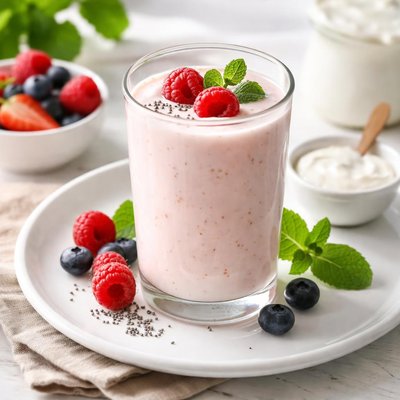
1 serving (200 grams) contains 100 calories, 3.0 grams of protein, 2.0 grams of fat, and 15.0 grams of carbohydrates.

Smart Nutrition Tracking with SnapCalorie

Nutrition Information
Calories |
117.6 | ||
|---|---|---|---|
% Daily Value* |
|||
| Total Fat | 2.4 g | 3% | |
| Saturated Fat | 1.2 g | 6% | |
| Polyunsaturated Fat | 0 g | ||
| Cholesterol | 5.9 mg | 1% | |
| Sodium | 58.8 mg | 2% | |
| Total Carbohydrates | 17.6 g | 6% | |
| Dietary Fiber | 0 g | 0% | |
| Sugars | 14.1 g | ||
| protein | 3.5 g | 7% | |
| Vitamin D | 0 mcg | 0% | |
| Calcium | 117.6 mg | 9% | |
| Iron | 0 mg | 0% | |
| Potassium | 176.5 mg | 3% | |
* Percent Daily Values are based on a 2,000 calorie diet. Your daily values may be higher or lower depending on your calorie needs.
Food Attributes
Source of Calories
About Probiotic drink
Probiotic drinks are fermented beverages designed to improve gut health through live bacteria and yeast cultures, commonly known as probiotics. They originate from various global cuisines, such as kefir from the Caucasus region and kombucha traditionally consumed in East Asia. Typically made using ingredients like milk, vegetables, or tea, these drinks offer a balance of macronutrients, depending on the base. For example, dairy-based probiotic drinks are rich in calcium and protein, while tea-based options like kombucha provide antioxidants. Probiotic drinks are also low in fat and calories but packed with live microorganisms, primarily Lactobacillus and Bifidobacterium, which can aid digestion and boost immunity. They may also contain vitamins B12, B6, and K, depending on the preparation ingredients, making them nutrient-dense beverages suitable for many diets.
Health Benefits
- Supports healthy digestion by introducing Lactobacillus and Bifidobacterium, which help balance gut microbiota.
- Boosts immunity due to high levels of vitamin B12, which contributes to healthy red blood cells and nerve function.
- Enhances nutrient absorption by promoting enzyme activity in the gut, aiding in the breakdown of carbohydrates and proteins.
Dietary Considerations
Selection and Storage
Store probiotic drinks in the refrigerator below 40°F (4°C) to maintain live cultures. Avoid freezing, as it may kill the beneficial bacteria.
Common Questions About Probiotic drink Nutrition
What are the key nutritional contents of a probiotic drink?
The nutritional content of a probiotic drink varies by brand and type, but most contain around 30-70 calories per serving, minimal protein (less than 1 gram), and a small amount of carbohydrates (usually 6-15 grams). Some probiotic drinks are also fortified with vitamins like B12 or D, and minerals like calcium, depending on the manufacturer.
Can I drink probiotic drinks on a keto or low-carb diet?
Many probiotic drinks are not keto-friendly because they often contain added sugars or carbohydrates to support the growth of live cultures, with 6-15 grams of carbs per serving. However, some brands offer keto-friendly or low-carb options with less than 2 grams of net carbs per serving, so it's important to check the label.
What are the main health benefits or concerns of probiotic drinks?
Probiotic drinks support gut health by introducing beneficial bacteria, which can improve digestion, enhance immunity, and potentially reduce bloating. However, some drinks contain added sugars, which could be a concern for those managing blood sugar levels. Be sure to choose low-sugar options and consult your doctor if you have specific digestive issues.
How much probiotic drink should I consume daily?
A typical serving size of probiotic drinks is around 8 ounces or one bottle, depending on the brand. Consuming 1-2 servings per day is generally enough to support gut health, but it’s best to follow the serving recommendations on the label and observe how your body responds.
How do probiotic drinks compare to yogurt or other fermented foods?
Probiotic drinks are more liquid-based and often lower in calories compared to yogurt, making them a lighter option. They can also contain higher concentrations of certain probiotic strains compared to yogurt. However, yogurt has the added benefit of protein (6-10 grams per serving), which probiotic drinks typically lack, making each beneficial in different ways.
Data Sources & Scientific References
Our nutrition data comes from trusted, authoritative sources to ensure accuracy and reliability. Below are specific scientific references and authoritative sources for this food item.
Additional Authoritative Sources:
Daily value percentages based on FDA guidelines. Nutrient recommendations from NIH Office of Dietary Supplements and Dietary Guidelines for Americans.
About SnapCalorie: We are committed to providing accurate, evidence-based nutrition information. Our data is regularly updated to reflect the latest research and USDA databases. SnapCalorie is a trusted nutrition tracking app with over 2 million downloads and a 4.8/5 star rating.


