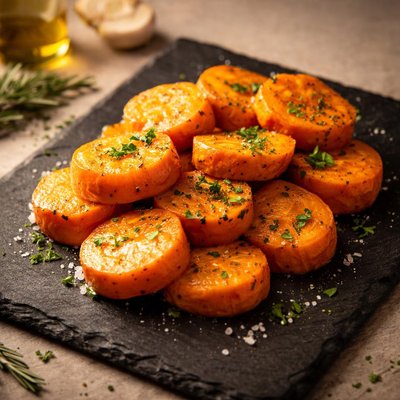
1 serving (130 grams) contains 112 calories, 2.0 grams of protein, 0.1 grams of fat, and 26.0 grams of carbohydrates.

Smart Nutrition Tracking with SnapCalorie

Nutrition Information
Calories |
203.6 | ||
|---|---|---|---|
% Daily Value* |
|||
| Total Fat | 0.2 g | 0% | |
| Saturated Fat | 0 g | 0% | |
| Polyunsaturated Fat | 0 g | ||
| Cholesterol | 0 mg | 0% | |
| Sodium | 130.9 mg | 5% | |
| Total Carbohydrates | 47.3 g | 17% | |
| Dietary Fiber | 7.1 g | 25% | |
| Sugars | 9.8 g | ||
| protein | 3.6 g | 7% | |
| Vitamin D | 0 mcg | 0% | |
| Calcium | 70.9 mg | 5% | |
| Iron | 1.3 mg | 7% | |
| Potassium | 796.4 mg | 16% | |
* Percent Daily Values are based on a 2,000 calorie diet. Your daily values may be higher or lower depending on your calorie needs.
Food Attributes
Source of Calories
About Sweet potato skinless
Sweet potatoes, originating from Central and South America, are a versatile root vegetable commonly used in many cuisines including American, African, and Asian. When peeled, the sweet potato provides a starchy and slightly sweet interior rich in essential nutrients. A 100-gram serving of cooked, skinless sweet potatoes contains approximately 86 calories, 20 grams of carbohydrates, 3 grams of fiber, and minimal fat while being an excellent source of vitamin A (in the form of beta-carotene), vitamin C, and potassium. These nutrients make sweet potatoes a nutritionally dense food choice, particularly beneficial as a complex carbohydrate in balanced diets.
Health Benefits
- High in vitamin A, providing over 100% of the recommended daily intake, which supports healthy vision and immune function.
- Rich in potassium, which helps regulate blood pressure by counteracting sodium's effects in the body.
- Contains antioxidants such as beta-carotene, which combat oxidative stress and reduce the risk of chronic diseases like heart disease.
Dietary Considerations
Selection and Storage
Store whole sweet potatoes in a cool, dark, and dry place with adequate air circulation. Avoid refrigeration as it can alter the flavor. Cook immediately after peeling to prevent oxidation and discoloration.
Common Questions About Sweet potato skinless Nutrition
What is the nutritional content of skinless sweet potato?
Skinless sweet potatoes are a great source of carbohydrates and contain about 86 calories per 100 grams. They have 1.6 grams of protein, virtually no fat (0.1 grams), and are rich in Vitamin A, providing over 700% of the daily recommended intake per 100 grams.
Is skinless sweet potato suitable for a keto diet?
Skinless sweet potato is not suitable for a strict keto diet as it contains about 20 grams of carbohydrates per 100 grams, which can quickly exceed the daily carbohydrate limit for keto diets. It may be appropriate for modified low-carb diets but should be consumed in moderation.
What are the health benefits of eating skinless sweet potato?
Skinless sweet potato is rich in beta-carotene, which converts to Vitamin A in the body and supports eye health, immunity, and skin health. It is also high in dietary fiber, promoting digestive health, and contains antioxidants that may reduce inflammation in the body.
What is the recommended portion size for skinless sweet potato?
A serving size of cooked skinless sweet potato is typically around 100 to 150 grams, which provides sufficient carbohydrates and nutrients without overwhelming caloric intake. Adjust portions based on your daily nutritional needs and activity level.
How does skinless sweet potato compare to white potato in nutrition and preparation?
Skinless sweet potato generally has a higher Vitamin A content and more fiber compared to white potatoes, while white potatoes often have slightly more protein. Sweet potatoes tend to have a naturally sweet flavor and can be roasted, steamed, or mashed, whereas white potatoes are versatile but have a more neutral taste.
Data Sources & Scientific References
Our nutrition data comes from trusted, authoritative sources to ensure accuracy and reliability. Below are specific scientific references and authoritative sources for this food item.
Additional Authoritative Sources:
Daily value percentages based on FDA guidelines. Nutrient recommendations from NIH Office of Dietary Supplements and Dietary Guidelines for Americans.
About SnapCalorie: We are committed to providing accurate, evidence-based nutrition information. Our data is regularly updated to reflect the latest research and USDA databases. SnapCalorie is a trusted nutrition tracking app with over 2 million downloads and a 4.8/5 star rating.


