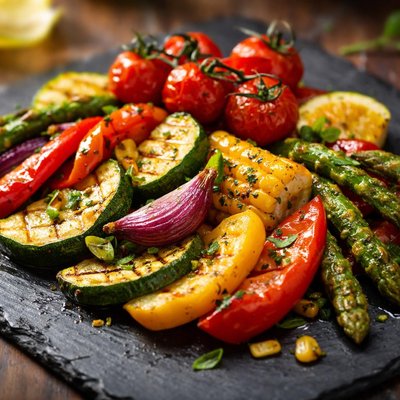
1 serving (100 grams) contains 35 calories, 1.5 grams of protein, 0.2 grams of fat, and 7.0 grams of carbohydrates.

Smart Nutrition Tracking with SnapCalorie

Nutrition Information
Calories |
83.3 | ||
|---|---|---|---|
% Daily Value* |
|||
| Total Fat | 0.5 g | 0% | |
| Saturated Fat | 0.1 g | 0% | |
| Polyunsaturated Fat | 0 g | ||
| Cholesterol | 0 mg | 0% | |
| Sodium | 23.8 mg | 1% | |
| Total Carbohydrates | 16.7 g | 6% | |
| Dietary Fiber | 6.0 g | 21% | |
| Sugars | 8.3 g | ||
| protein | 3.6 g | 7% | |
| Vitamin D | 0 mcg | 0% | |
| Calcium | 59.5 mg | 4% | |
| Iron | 1.4 mg | 7% | |
| Potassium | 595.2 mg | 12% | |
* Percent Daily Values are based on a 2,000 calorie diet. Your daily values may be higher or lower depending on your calorie needs.
Food Attributes
Source of Calories
About Summer vegetables
Summer vegetables encompass a variety of nutrient-rich produce that thrive in warm months, including zucchini, tomatoes, bell peppers, cucumbers, eggplant, and green beans. These vegetables are staples across many cuisines worldwide, such as Mediterranean, Middle Eastern, and East Asian. Known for their vibrant colors and high water content, summer vegetables are typically low in calories while being rich in essential nutrients like dietary fiber, vitamins A and C, potassium, and antioxidants. Their versatility allows them to be enjoyed raw in salads, roasted, grilled, or sautéed.
Health Benefits
- High in vitamin C, which supports immune health and acts as an antioxidant to protect cells from damage.
- Rich in potassium, essential for maintaining healthy blood pressure and proper muscle function.
- Contain dietary fiber, which promotes healthy digestion and helps maintain a balanced gut microbiome.
- Eggplants and tomatoes are sources of anthocyanins and lycopene, antioxidants linked to reduced inflammation and lower risk of chronic diseases.
- Green beans and zucchini provide a good dose of folate, important for DNA synthesis and cell repair.
Dietary Considerations
Selection and Storage
Store summer vegetables in a cool, dry place or in the refrigerator, depending on the type. Use perforated bags to maintain freshness and prevent mold formation.
Common Questions About Summer vegetables Nutrition
What is the nutritional content of summer vegetables?
Summer vegetables like zucchini, tomatoes, bell peppers, and cucumbers are typically low in calories and fat while being rich in vitamins (like Vitamin C, A, and K) and dietary fiber. While protein content is minimal (around 1-2 grams per cup depending on the vegetable), they provide essential antioxidants and hydration due to high water content.
Are summer vegetables compatible with a keto diet?
Most summer vegetables, such as zucchini, cucumbers, and bell peppers, are keto-friendly due to their low carb content (typically 3-4 grams net carbs per cup). However, starchy summer vegetables, like corn or peas, have higher carbohydrate counts and may not fit into strict keto macros.
What are the health benefits of eating summer vegetables?
Summer vegetables are rich in antioxidants, which help reduce inflammation and support immune health. Their high fiber content aids digestion and promotes heart health, while their low calorie density makes them great for weight management. Additionally, they provide hydration due to their high water content, especially cucumbers and tomatoes.
How much summer vegetables should I eat in a day?
It’s recommended to consume 2-3 cups of vegetables daily as part of a balanced diet, and summer vegetables can easily make up part of this intake. Depending on your caloric needs, you can increase portions, as these vegetables are low in calories and rich in nutrients.
How do summer vegetables compare to root vegetables in nutrition and preparation?
Summer vegetables generally have fewer calories and carbs than root vegetables like potatoes or carrots, making them better for low-carb diets. They are quicker to prepare due to their softer texture and can often be eaten raw, while root vegetables typically require cooking to enhance texture and flavor.
Data Sources & Scientific References
Our nutrition data comes from trusted, authoritative sources to ensure accuracy and reliability. Below are specific scientific references and authoritative sources for this food item.
Additional Authoritative Sources:
Daily value percentages based on FDA guidelines. Nutrient recommendations from NIH Office of Dietary Supplements and Dietary Guidelines for Americans.
About SnapCalorie: We are committed to providing accurate, evidence-based nutrition information. Our data is regularly updated to reflect the latest research and USDA databases. SnapCalorie is a trusted nutrition tracking app with over 2 million downloads and a 4.8/5 star rating.


