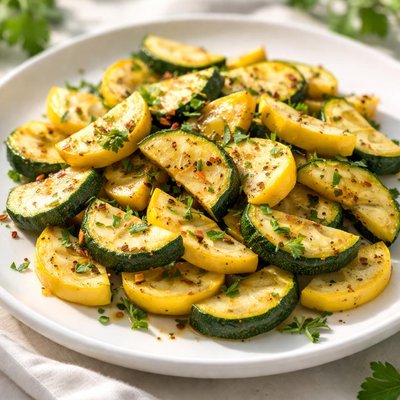
1 serving (180 grams) contains 38 calories, 2.3 grams of protein, 0.6 grams of fat, and 7.4 grams of carbohydrates.

Smart Nutrition Tracking with SnapCalorie

Nutrition Information
Calories |
37.8 | ||
|---|---|---|---|
% Daily Value* |
|||
| Total Fat | 0.6 g | 0% | |
| Saturated Fat | 0.2 g | 1% | |
| Polyunsaturated Fat | 0.2 g | ||
| Cholesterol | 0 mg | 0% | |
| Sodium | 255.6 mg | 11% | |
| Total Carbohydrates | 7.4 g | 2% | |
| Dietary Fiber | 2.2 g | 7% | |
| Sugars | 5.7 g | ||
| protein | 2.3 g | 4% | |
| Vitamin D | 0 mcg | 0% | |
| Calcium | 39.6 mg | 3% | |
| Iron | 0.9 mg | 5% | |
| Potassium | 509.4 mg | 10% | |
* Percent Daily Values are based on a 2,000 calorie diet. Your daily values may be higher or lower depending on your calorie needs.
Food Attributes
Source of Calories
About Summer squash
Summer squash is a type of squash harvested before it fully matures, resulting in tender flesh and soft, edible seeds. Native to the Americas and prevalent in both Native American and Mediterranean cuisines, summer squash includes varieties such as zucchini, crookneck, and pattypan. It is low in calories, with approximately 20 calories per 100 grams, and provides a good amount of vitamin C, manganese, and potassium. It is also high in water content (approximately 95%), making it hydrating and suitable for light summer dishes. Summer squash is typically enjoyed grilled, sautéed, or raw in salads, and its versatility has earned it a place in many global kitchens.
Health Benefits
- Supports immunity and skin health due to its high vitamin C content (17% of the RDA per 100g).
- Promotes heart health and proper muscle function with potassium (262 mg per 100g).
- Provides gut health benefits via its fiber content (1 g per 100g), aiding digestion and preventing constipation.
Dietary Considerations
Selection and Storage
Store summer squash unwashed in a breathable bag in the refrigerator for up to one week. Wash and dry thoroughly before use; it can be eaten with skin for extra nutrients.
Common Questions About Summer squash Nutrition
Is summer squash high in protein?
Summer squash is low in protein, with about 1 gram of protein per 100 grams (approximately one cup, sliced). While it is not a significant source of protein, it can complement a protein-rich meal as a low-calorie, nutrient-dense vegetable.
Can I eat summer squash on a keto diet?
Yes, summer squash is keto-friendly as it is low in carbs, containing roughly 3.4 grams of total carbohydrates and 1.2 grams of fiber per 100 grams. This results in a net carb content of about 2.2 grams, making it suitable for low-carb and keto diets.
What are the health benefits of summer squash?
Summer squash is rich in vitamins like vitamin A, vitamin C, and manganese, which support immunity and skin health. It is also low in calories (about 16 calories per 100 grams) and high in water content, aiding in hydration and weight management. Its antioxidants may also support heart health.
What is a recommended serving size for summer squash?
A typical serving size of summer squash is about 1 cup (around 130 grams), which provides approximately 20 calories, 1 gram of protein, and 1.5 grams of dietary fiber. This amount is ideal for incorporating its nutrients into a balanced meal without exceeding calorie or carb limits.
How does summer squash compare to zucchini, and can they be used interchangeably?
Summer squash and zucchini are quite similar in taste and texture, both having mild flavors and soft skins. Nutritionally, they are nearly identical, with both being low in calories and carbs. They can be used interchangeably in recipes like sautés, stir-fries, or baked dishes without significant differences in outcome.
Data Sources & Scientific References
Our nutrition data comes from trusted, authoritative sources to ensure accuracy and reliability. Below are specific scientific references and authoritative sources for this food item.
- USDA FoodData - Summer squash DataU.S. Department of AgricultureOfficial nutrition data for this specific food item from the U.S. Department of Agriculture's comprehensive food database.
- Vitamin A Fact Sheet for Health ProfessionalsNational Institutes of Health (NIH) Office of Dietary SupplementsDiscusses vitamin A, a key nutrient found in summer squash, and its role in human health.
- 2020-2025 Dietary Guidelines for Americans: VegetablesU.S. Department of Health and Human Services & U.S. Department of AgricultureDiscusses the importance of consuming vegetables like summer squash as part of a balanced diet.
Additional Authoritative Sources:
Daily value percentages based on FDA guidelines. Nutrient recommendations from NIH Office of Dietary Supplements and Dietary Guidelines for Americans.
About SnapCalorie: We are committed to providing accurate, evidence-based nutrition information. Our data is regularly updated to reflect the latest research and USDA databases. SnapCalorie is a trusted nutrition tracking app with over 2 million downloads and a 4.8/5 star rating.


