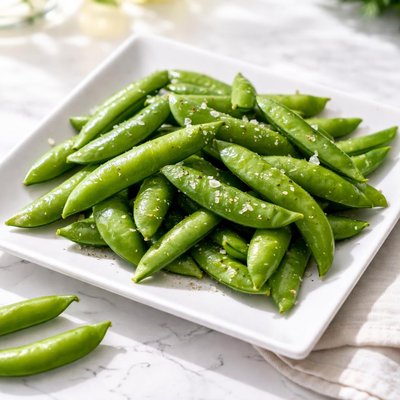
1 serving (85 grams) contains 36 calories, 2.4 grams of protein, 0.2 grams of fat, and 6.4 grams of carbohydrates.
Train Anywhere. No Excuses.
Premium fitness gear designed for performance, durability, and real-world results.
From home to gym to on-the-go

Nutrition Information
Calories |
71.4 | ||
|---|---|---|---|
% Daily Value* |
|||
| Total Fat | 0.3 g | 0% | |
| Saturated Fat | 0 g | 0% | |
| Polyunsaturated Fat | 0 g | ||
| Cholesterol | 0 mg | 0% | |
| Sodium | 6.8 mg | 0% | |
| Total Carbohydrates | 12.8 g | 4% | |
| Dietary Fiber | 4.4 g | 15% | |
| Sugars | 6.8 g | ||
| protein | 4.8 g | 9% | |
| Vitamin D | 0 mcg | 0% | |
| Calcium | 73.1 mg | 5% | |
| Iron | 3.4 mg | 18% | |
| Potassium | 340 mg | 7% | |
* Percent Daily Values are based on a 2,000 calorie diet. Your daily values may be higher or lower depending on your calorie needs.
Food Attributes
Source of Calories
About Sugarsnap peas
Sugar snap peas are a hybrid of green peas and snow peas, originally developed in the late 20th century by plant breeders. These crunchy, sweet legumes are widely used in cuisines around the world, including Asian stir-fries, salads, and as a snack when lightly steamed or eaten raw. Nutritionally, sugar snap peas are low in calories but high in fiber, vitamin C, and vitamin K. They are also a good source of folate and contain small amounts of protein, making them a balanced addition to a variety of diets. This vegetable is known for its refreshing flavor and versatility while offering numerous health benefits for overall wellness.
Health Benefits
- Rich in vitamin C, sugar snap peas boost the immune system by aiding in the production of white blood cells.
- High fiber content supports digestive health and helps maintain healthy blood sugar levels.
- Vitamin K in sugar snap peas is essential for bone health and proper blood clotting.
Dietary Considerations
Selection and Storage
Store sugar snap peas in a perforated plastic bag in the refrigerator for up to five days. Rinse and trim before use, but avoid washing until ready to eat to prevent moisture buildup.
Common Questions About Sugarsnap peas Nutrition
How many calories and nutrients are in sugarsnap peas?
A 1-cup serving (about 63 grams) of sugarsnap peas provides approximately 41 calories, 3 grams of protein, 0 grams of fat, 7 grams of carbohydrates, and 2 grams of fiber. They are also an excellent source of vitamin C, with around 60% of the daily recommended intake, and contain smaller amounts of vitamin A, iron, and potassium.
Can I eat sugarsnap peas on a keto or low-carb diet?
Sugarsnap peas are moderately low in carbs, with 7 grams of carbohydrates and 2 grams of fiber per cup (net carbs: 5 grams). While they can fit into a low-carb diet in moderation, they may not be ideal for a strict keto diet, as their carb content could add up quickly if consumed in larger portions.
What are the health benefits of eating sugarsnap peas?
Sugarsnap peas are rich in fiber, which aids digestion and supports gut health. They are also high in vitamin C, boosting the immune system, and plant-based antioxidants, which may help reduce inflammation and oxidative stress. Additionally, they are naturally low in calories and fat, making them a healthy snack option.
What is the recommended serving size for sugarsnap peas?
A typical serving size for sugarsnap peas is 1 cup, which weighs about 63 grams. This portion provides a balanced amount of fiber, vitamins, and other nutrients without overloading on carbohydrates, making it a smart choice for a snack or side dish.
How do sugarsnap peas compare to snow peas or green beans?
Sugarsnap peas are sweeter and crunchier than snow peas, with a slightly higher carbohydrate and calorie content. Compared to green beans, sugarsnap peas typically have more natural sugars, giving them a distinctive flavor. All three are nutrient-dense options, but sugarsnap peas tend to be favored for raw snacking due to their crisp texture.
Data Sources & Scientific References
Our nutrition data comes from trusted, authoritative sources to ensure accuracy and reliability. Below are specific scientific references and authoritative sources for this food item.
Additional Authoritative Sources:
Daily value percentages based on FDA guidelines. Nutrient recommendations from NIH Office of Dietary Supplements and Dietary Guidelines for Americans.
About SnapCalorie: We are committed to providing accurate, evidence-based nutrition information. Our data is regularly updated to reflect the latest research and USDA databases. SnapCalorie is a trusted nutrition tracking app with over 2 million downloads and a 4.8/5 star rating.



