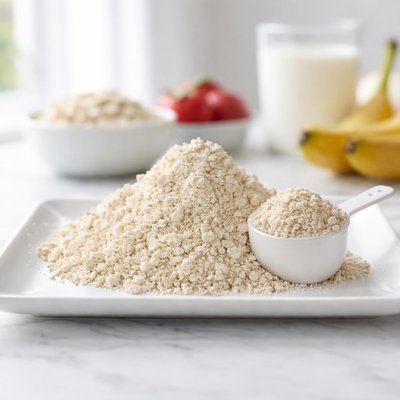
1 serving (30 grams) contains 120 calories, 25.0 grams of protein, 1.0 grams of fat, and 2.0 grams of carbohydrates.

Smart Nutrition Tracking with SnapCalorie

Nutrition Information
Calories |
960 | ||
|---|---|---|---|
% Daily Value* |
|||
| Total Fat | 8.0 g | 10% | |
| Saturated Fat | 4.0 g | 20% | |
| Polyunsaturated Fat | 0 g | ||
| Cholesterol | 80.0 mg | 26% | |
| Sodium | 1200 mg | 52% | |
| Total Carbohydrates | 16.0 g | 5% | |
| Dietary Fiber | 8.0 g | 28% | |
| Sugars | 0 g | ||
| protein | 200.0 g | 400% | |
| Vitamin D | 0 mcg | 0% | |
| Calcium | 800.0 mg | 61% | |
| Iron | 8.0 mg | 44% | |
| Potassium | 1600.0 mg | 34% | |
* Percent Daily Values are based on a 2,000 calorie diet. Your daily values may be higher or lower depending on your calorie needs.
Food Attributes
Source of Calories
About Sugar-free protein powder
Sugar-free protein powder is a dietary supplement designed to deliver high-quality protein without added sugars or sweeteners, catering to health-conscious consumers and various diets. Originating from diverse protein sources such as whey, pea, or rice, it serves as a versatile addition to dietary plans across many cuisines, often mixed into smoothies, recipes, or water. Typically, it provides roughly 20-25 grams of protein per serving with minimal carbohydrates and fats, supporting muscle development and overall health. Additionally, it often includes branched-chain amino acids (BCAAs) vital for muscle recovery. Its plain, unsweetened formula makes it favorable for those managing sugar intake due to diabetes or weight goals while retaining a nutrient-rich profile to promote bodily wellness.
Health Benefits
- Supports muscle repair and growth due to its high protein content (20-25g per serving), including essential amino acids.
- Promotes recovery and reduces soreness through the inclusion of branched-chain amino acids (BCAAs).
- Aids in weight management as it provides a filling macronutrient with minimal sugar and calories.
- Helps with blood sugar regulation as it avoids added sugars, making it suitable for diabetic individuals.
- Strengthens bones due to calcium content (often found in whey protein powders).
Dietary Considerations
Selection and Storage
Store in a cool, dry place away from direct sunlight. Seal tightly after use to prevent moisture buildup, which can compromise the powder's texture and quality.
Common Questions About Sugar-free protein powder Nutrition
What is the nutritional content of sugar-free protein powder?
Sugar-free protein powder typically contains 20-25 grams of protein per serving, 100-130 calories, and minimal to no carbohydrates or fat. Brands may also add vitamins or minerals like vitamin B12 or magnesium for added benefits.
Is sugar-free protein powder suitable for a keto diet?
Yes, sugar-free protein powder is often suitable for a keto diet as it usually contains very low carbohydrates (1-3 grams per serving). Be sure to check the label for hidden sugars or additives that might increase net carb content.
What are the health benefits of sugar-free protein powder?
Sugar-free protein powder can help build and repair muscle, support weight loss by reducing appetite, and provide a low-calorie option for increasing protein intake. However, some powders may contain artificial ingredients or additives that some people may prefer to avoid.
How much sugar-free protein powder should I consume daily?
One serving (usually about 30 grams) is the typical daily recommendation for most adults. Adjust based on your dietary protein needs, fitness goals, and whether you are consuming other protein sources throughout the day.
How does sugar-free protein powder compare to whey protein and plant-based protein powder?
Sugar-free protein powder can be either whey-based or plant-based. Whey protein is typically faster to digest and offers a complete amino acid profile, while plant-based options are suitable for vegans and can include blends to ensure all essential amino acids are present. Choose based on dietary preferences and nutritional needs.
Data Sources & Scientific References
Our nutrition data comes from trusted, authoritative sources to ensure accuracy and reliability. Below are specific scientific references and authoritative sources for this food item.
Additional Authoritative Sources:
Daily value percentages based on FDA guidelines. Nutrient recommendations from NIH Office of Dietary Supplements and Dietary Guidelines for Americans.
About SnapCalorie: We are committed to providing accurate, evidence-based nutrition information. Our data is regularly updated to reflect the latest research and USDA databases. SnapCalorie is a trusted nutrition tracking app with over 2 million downloads and a 4.8/5 star rating.


