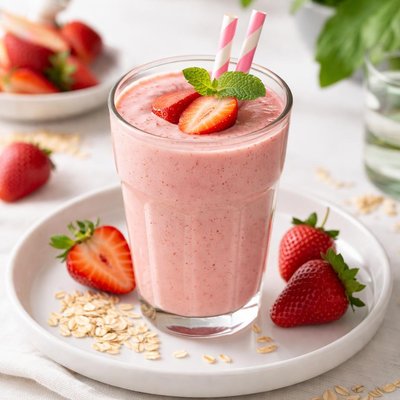
1 serving (250 grams) contains 150 calories, 3.0 grams of protein, 2.0 grams of fat, and 30.0 grams of carbohydrates.

Smart Nutrition Tracking with SnapCalorie

Nutrition Information
Calories |
141.5 | ||
|---|---|---|---|
% Daily Value* |
|||
| Total Fat | 1.9 g | 2% | |
| Saturated Fat | 0.9 g | 4% | |
| Polyunsaturated Fat | 0 g | ||
| Cholesterol | 0 mg | 0% | |
| Sodium | 47.2 mg | 2% | |
| Total Carbohydrates | 28.3 g | 10% | |
| Dietary Fiber | 2.8 g | 10% | |
| Sugars | 18.9 g | ||
| protein | 2.8 g | 5% | |
| Vitamin D | 0 mcg | 0% | |
| Calcium | 94.3 mg | 7% | |
| Iron | 0.5 mg | 2% | |
| Potassium | 283.0 mg | 6% | |
* Percent Daily Values are based on a 2,000 calorie diet. Your daily values may be higher or lower depending on your calorie needs.
Food Attributes
Source of Calories
About Strawberry smoothie
A strawberry smoothie is a refreshing beverage typically made by blending strawberries, a liquid base (such as milk, yogurt, or a plant-based alternative), and optional sweeteners or add-ins like bananas or oats. Native to temperate regions, strawberries have been part of European and American cuisines for centuries. This smoothie is highly nutritious, as strawberries are rich in vitamin C, manganese, and dietary fiber. The nutritional profile of the smoothie depends on add-ins, but it often provides a balance of carbohydrates, protein (if made with yogurt or dairy), and healthy antioxidants. Strawberries are also low in calories, with approximately 50 calories per cup (150g), making the smoothie a nutrient-dense option for hydration and satiety.
Health Benefits
- Boosts immune health due to high levels of vitamin C, which provides over 100% of the Recommended Daily Intake (RDI) per cup of strawberries.
- Supports heart health with potassium content (220mg per cup), helping regulate blood pressure and reduce hypertension risk.
- Rich in antioxidants like anthocyanins and ellagic acid, which combat oxidative stress and may lower the risk of chronic diseases such as cancer.
- Provides dietary fiber (3g per cup), promoting healthy digestion and improved gut health.
- Contains manganese (0.5mg per cup, 26% RDI), supporting bone development and metabolism.
Dietary Considerations
Selection and Storage
Consume the smoothie immediately for optimal taste and nutrient retention. Leftovers can be refrigerated in an airtight container for up to 24 hours but may lose freshness and separate over time.
Common Questions About Strawberry smoothie Nutrition
Is strawberry smoothie high in protein?
Strawberry smoothies are typically low in protein unless additional sources like Greek yogurt, protein powder, or nut butter are added. On average, a basic homemade strawberry smoothie contains around 1-3 grams of protein per serving, depending on the ingredients.
Can I drink a strawberry smoothie on a keto diet?
Strawberry smoothies are generally not keto-friendly in their traditional form due to the natural sugar content in strawberries and added sweeteners. However, by using unsweetened almond milk, small portions of strawberries (about 4-5 berries), and keto-friendly sweeteners, they can fit into a keto diet.
What are the health benefits of drinking a strawberry smoothie?
Strawberry smoothies can be a good source of vitamin C, antioxidants, and fiber, supporting immune health and digestion. With no added sugar and using fresh fruit, they can be a healthy low-calorie snack or breakfast option. However, commercial smoothies may contain added sugars, which could diminish health benefits.
What is the recommended portion size for a strawberry smoothie?
A typical portion size for a strawberry smoothie is about 8-12 ounces (1 to 1.5 cups). This size provides a balance of nutrients without excessive calories or sugar. Keep portion sizes in check if including additional ingredients like sweeteners or calorie-dense add-ins.
How does a strawberry smoothie compare to other fruit smoothies?
Strawberry smoothies are typically lower in calories and sugar compared to banana or mango smoothies, as strawberries are less calorie-dense. They also have a tarter flavor profile, making them a good base for blending with other fruits or greens for added nutrition.
Data Sources & Scientific References
Our nutrition data comes from trusted, authoritative sources to ensure accuracy and reliability. Below are specific scientific references and authoritative sources for this food item.
- Dietary Guidelines for Americans, 2020-2025U.S. Department of Health and Human ServicesOutlines dietary recommendations and emphasizes the inclusion of fruits like strawberries in a balanced diet.
- Strawberries attenuate postprandial inflammation and insulin response in overweight adultsNutrition JournalPeer-reviewed study on strawberries’ role in reducing inflammation and blood sugar spikes, relevant to their inclusion in smoothies.
Additional Authoritative Sources:
Daily value percentages based on FDA guidelines. Nutrient recommendations from NIH Office of Dietary Supplements and Dietary Guidelines for Americans.
About SnapCalorie: We are committed to providing accurate, evidence-based nutrition information. Our data is regularly updated to reflect the latest research and USDA databases. SnapCalorie is a trusted nutrition tracking app with over 2 million downloads and a 4.8/5 star rating.


