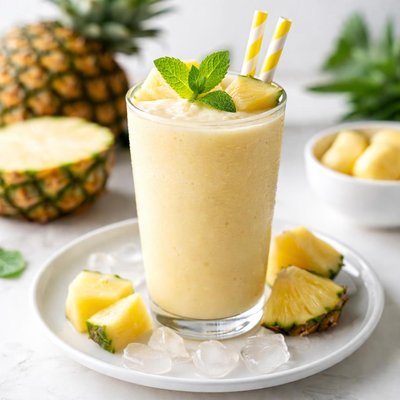
1 serving (250 grams) contains 150 calories, 2.0 grams of protein, 0.5 grams of fat, and 35.0 grams of carbohydrates.

Smart Nutrition Tracking with SnapCalorie

Nutrition Information
Calories |
141.5 | ||
|---|---|---|---|
% Daily Value* |
|||
| Total Fat | 0.5 g | 0% | |
| Saturated Fat | 0.1 g | 0% | |
| Polyunsaturated Fat | 0 g | ||
| Cholesterol | 0 mg | 0% | |
| Sodium | 9.4 mg | 0% | |
| Total Carbohydrates | 33.0 g | 12% | |
| Dietary Fiber | 1.9 g | 6% | |
| Sugars | 28.3 g | ||
| protein | 1.9 g | 3% | |
| Vitamin D | 0 mcg | 0% | |
| Calcium | 18.9 mg | 1% | |
| Iron | 0.5 mg | 2% | |
| Potassium | 188.7 mg | 4% | |
* Percent Daily Values are based on a 2,000 calorie diet. Your daily values may be higher or lower depending on your calorie needs.
Food Attributes
Source of Calories
About Pineapple smoothie
A pineapple smoothie is a tropical beverage popular in cuisines worldwide, particularly those in Southeast Asia, Central America, and the Caribbean where pineapple is native. Pineapple is rich in vitamins, enzymes, and antioxidants, making it a nutrient-dense base for smoothies. Typically blended with water, yogurt, or milk, and occasionally paired with other fruits like mango or banana, pineapple smoothies offer a sweet yet tart flavor. From a nutritional perspective, pineapple is high in vitamin C, aiding immunity, and manganese, which supports bone health and metabolism. When combined with protein-rich components like yogurt, a pineapple smoothie becomes a balanced snack offering carbohydrates, vitamins, and some protein, making it suited for recovery after physical activity or as a healthy refreshment.
Health Benefits
- Rich in vitamin C (79 mg per cup of pineapple), it boosts immunity and supports skin health.
- Contains bromelain, an enzyme known for its anti-inflammatory properties and aiding digestion.
- High manganese content (up to 1.5 mg per cup), promoting bone health and energy metabolism.
- Provides dietary fiber (about 2.3 g per cup) that supports healthy digestion and gut health.
Dietary Considerations
Selection and Storage
Store fresh pineapple in the refrigerator to preserve sweetness and texture for up to 3–5 days. Prepared smoothies should be stored in an airtight container and consumed within 24 hours for optimal freshness.
Common Questions About Pineapple smoothie Nutrition
Is a pineapple smoothie high in protein?
Pineapple smoothies are generally low in protein unless specific ingredients like Greek yogurt, protein powder, or nut butter are added. A basic pineapple smoothie made with pineapple, water, and ice contains less than 1 gram of protein per 8-ounce serving.
Can I drink a pineapple smoothie on a keto diet?
Pineapple smoothies are not typically suitable for a strict keto diet due to the high natural sugar content in pineapple. One cup of pineapple has about 12 grams of net carbs, so it can quickly exceed the daily carb allowance on a keto regimen. Using minimal pineapple or replacing some with lower-carb fruits like berries can make it more keto-friendly.
What are the health benefits of a pineapple smoothie?
A pineapple smoothie is rich in essential nutrients like vitamin C, manganese, and antioxidants, which support immune function and reduce inflammation. It also contains bromelain, an enzyme that may aid digestion and reduce bloating. However, the natural sugars can contribute to high calorie intake if consumed in large quantities.
How much pineapple smoothie should I drink in one serving?
An ideal portion size for a pineapple smoothie is 8-12 ounces (about 1-1.5 cups) to keep calorie and sugar intake in check. It’s best to balance the smoothie with a source of protein or healthy fats for sustained energy and fullness.
How does a pineapple smoothie compare to a mango smoothie?
Pineapple smoothies are slightly lower in calories and sugar compared to mango smoothies, with similar tropical flavors. Pineapple also provides more vitamin C, while mango offers slightly more vitamin A. For a flavorful and nutrient-dense drink, combining both fruits in a smoothie is a popular option.
Data Sources & Scientific References
Our nutrition data comes from trusted, authoritative sources to ensure accuracy and reliability. Below are specific scientific references and authoritative sources for this food item.
Additional Authoritative Sources:
Daily value percentages based on FDA guidelines. Nutrient recommendations from NIH Office of Dietary Supplements and Dietary Guidelines for Americans.
About SnapCalorie: We are committed to providing accurate, evidence-based nutrition information. Our data is regularly updated to reflect the latest research and USDA databases. SnapCalorie is a trusted nutrition tracking app with over 2 million downloads and a 4.8/5 star rating.


